Millions of people are losing weight using GLP-1s. How do the drugs affect their love lives? — SkimNews

Get the Health newsletter
Daily health & science — research, biotech, public health, the studies worth knowing. Free.
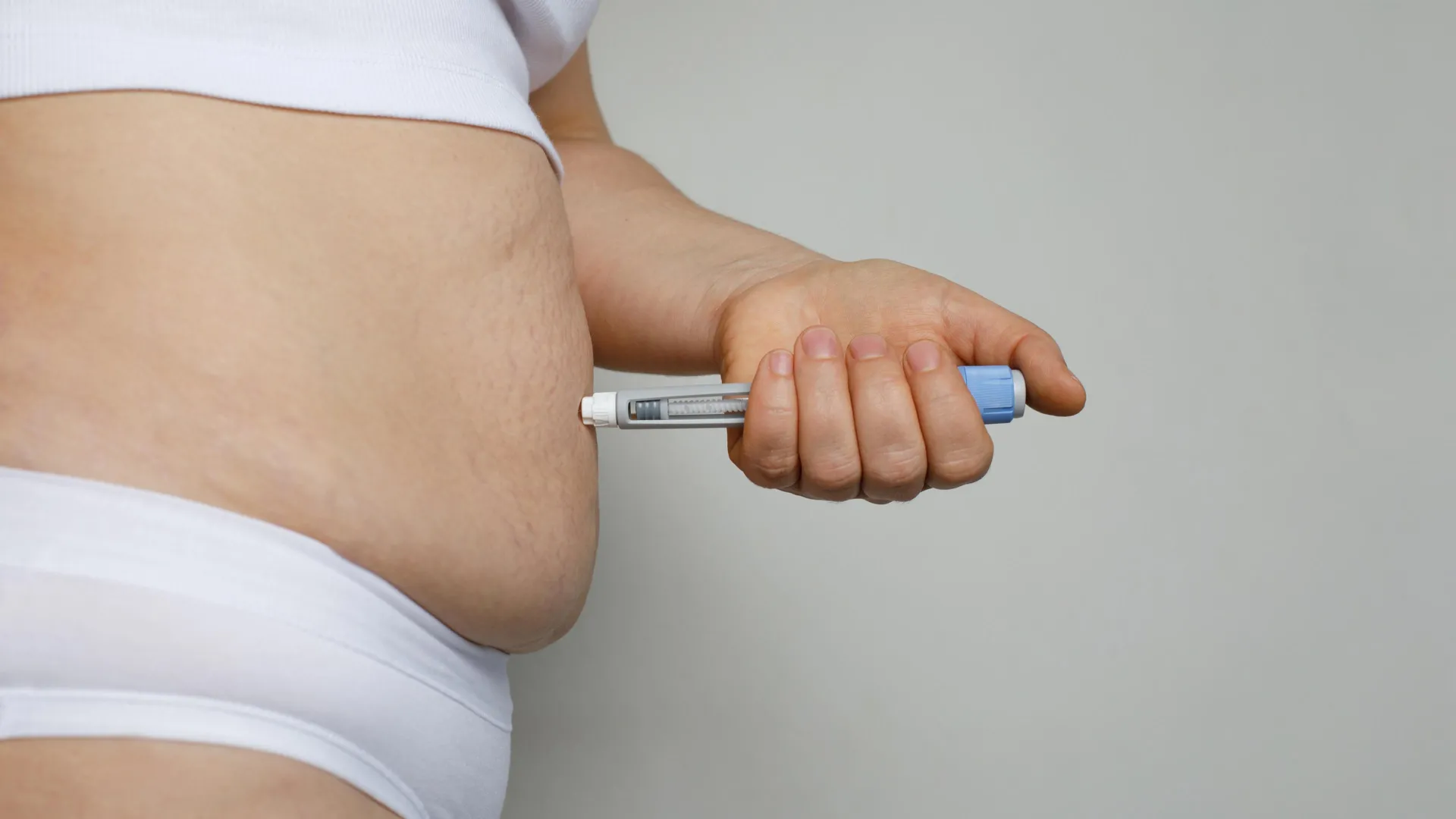
- GLP-1 prescriptions have surged globally for weight loss — Australian scripts rose nearly 10-fold since 2020 and US use more than quadrupled, putting millions of patients on drugs originally designed for type 2 diabetes.
- Dr Terri-Lynne South explains that GLP-1s may suppress more than appetite by acting on brain dopamine reward pathways also tied to alcohol, nicotine and potentially sex drive, calling it 'a potential unique mechanism.'
- A 2025 Kinsey study found 18% of respondents reported increased sexual desire on GLP-1s while 16% reported a decrease, and a 2025 FDA data analysis flagged 185 reports of sexual dysfunction, particularly among men.
- Jennifer, a 57-year-old attorney, lost 40kg on Mounjaro after decades of obesity but says the weight loss 'stripped away the explanation' she'd blamed for marital problems — her husband called her 'meaner' and suggested couples therapy after 34 years together.
- A 2018 Swedish study of 1,958 bariatric-surgery patients found increased divorce and separation among those in couples, mirroring the article's pattern that major weight loss often reshapes — not heals — relationships.
- Joanna Wood, a 59-year-old former diplomat, re-entered dating after 14 years single following a 25kg GLP-1 weight loss; she hid her medication from new partner Bruce Hart due to stigma, and regained 10kg during a brief pause when 'food noise' returned.
- Psychologist Glenn Mackintosh describes a 'grieving process' for couples whose shared eating routines are disrupted, summarizing the core finding: 'weight loss doesn't cause relationship problems but it can reveal them.'
Why it matters: With Australian GLP-1 prescriptions up nearly 10-fold since 2020 and US use quadrupling, the article spotlights an under-researched frontier: the drugs' effects on desire, intimacy and long-term partnerships, where bariatric-surgery divorce data and 185 FDA-flagged dysfunction reports suggest consequences extend far beyond the scale — and prescribers rarely warn patients about them.
Ask SkimNews