California Gas Power Drops 26% as Batteries Replace Peakers — SkimNews
Get the Energy newsletter
Daily energy & climate — solar, EVs, oil, the policy fights and tech bets shaping the transition. Free.
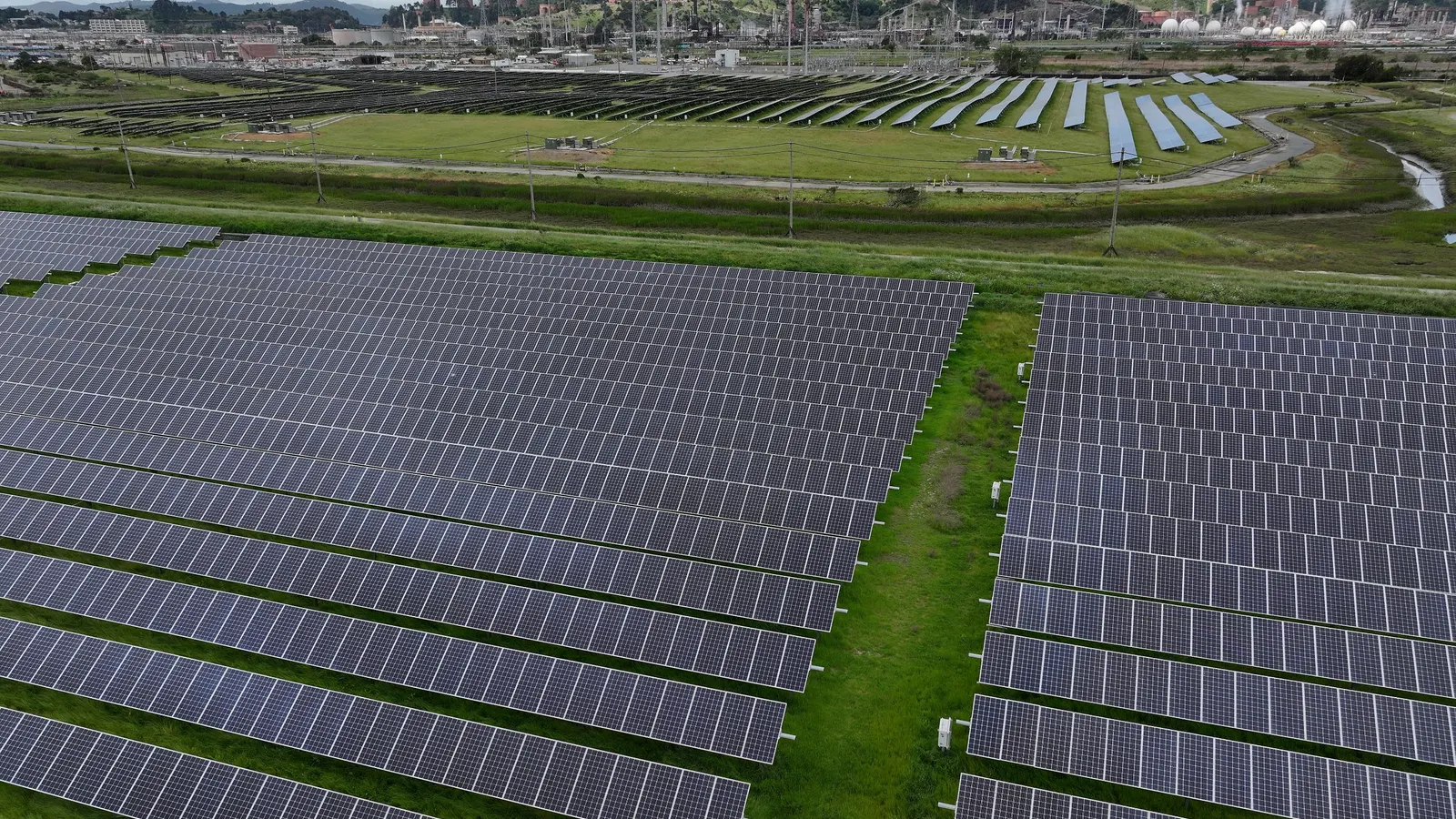
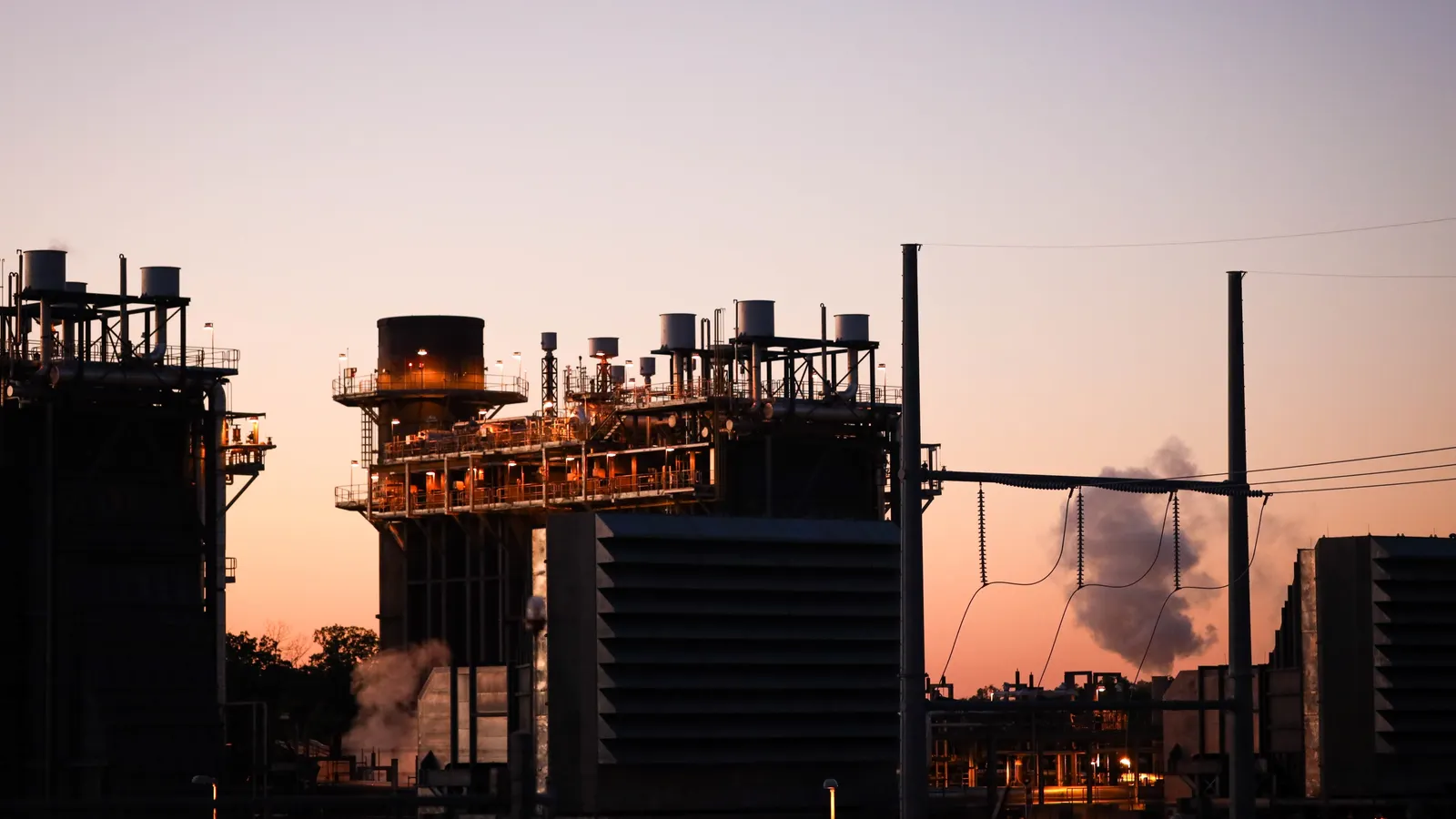
- California's gas-fired electricity has fallen in 8 of 11 years since its 2014 peak, with a 15% drop in 2025 versus 2024 and a 26% drop in the first half of 2026 versus the same period in 2025, per U.S. Energy Information Administration data.
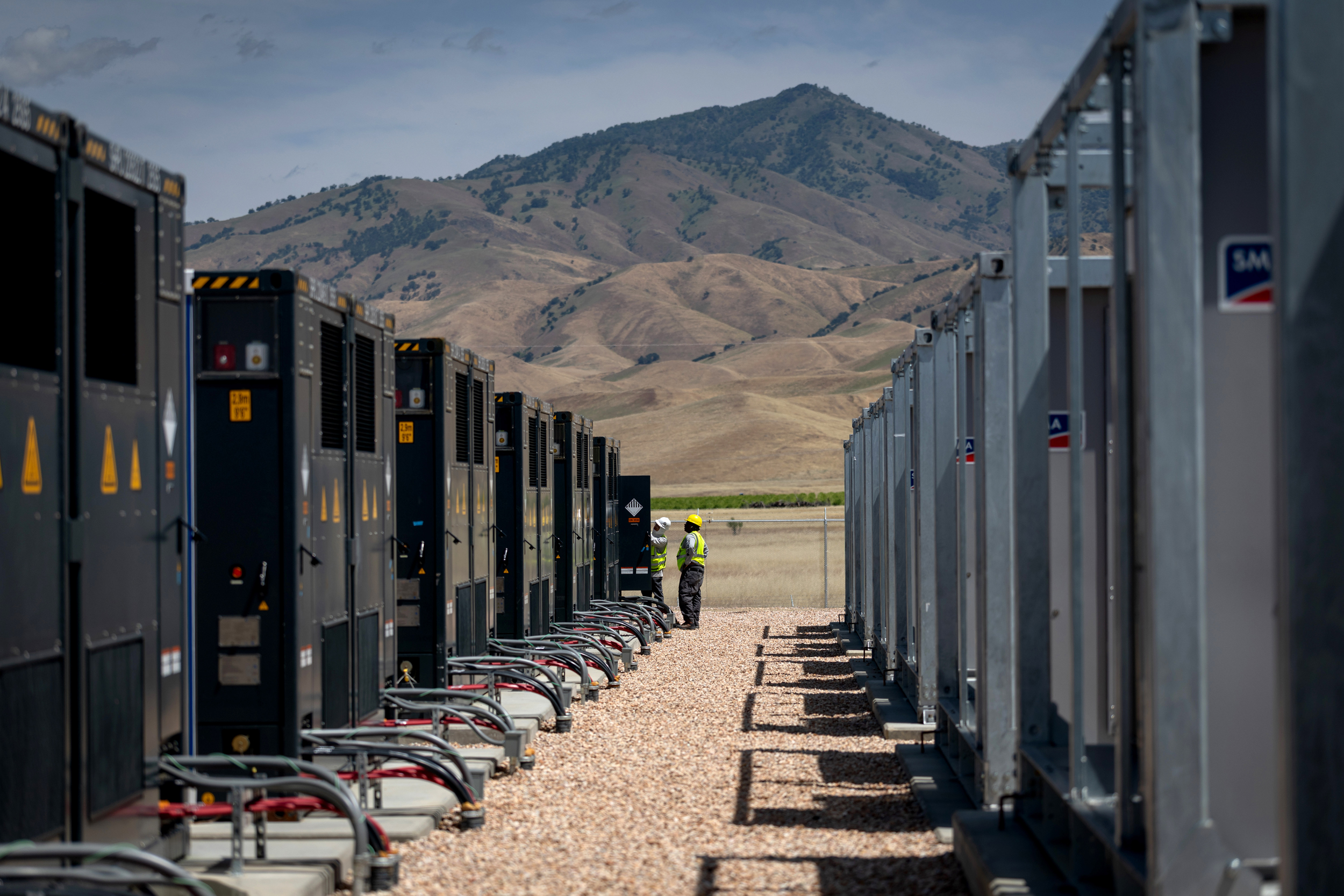
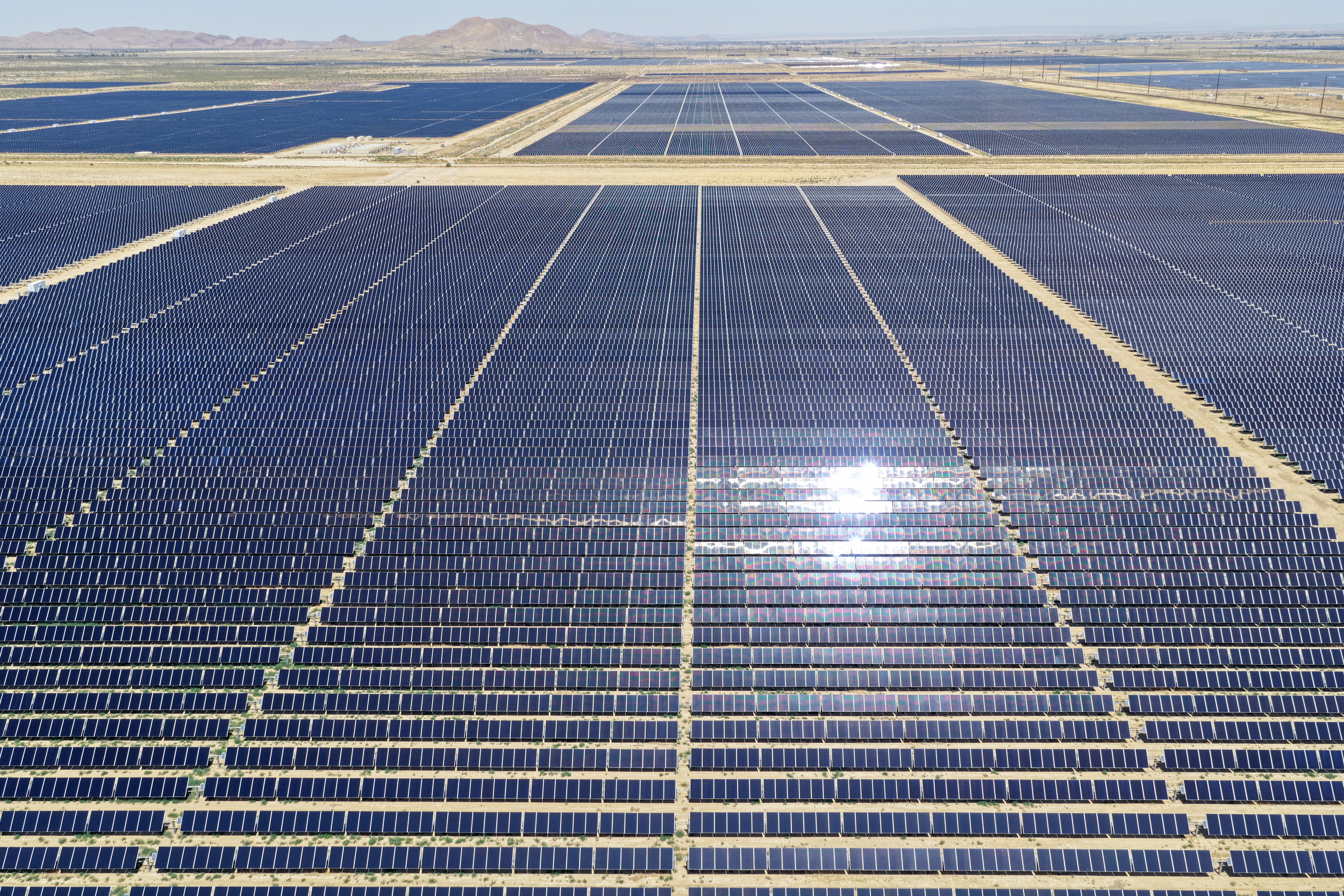
- Ed Smeloff, a longtime energy analyst, called batteries "the key story here": they charge from abundant midday solar and discharge at peak demand, replacing the role of expensive, inefficient gas peaker plants.
- On August 26, the California Independent System Operator grid hit a 2026 peak of 46,015 megawatts at 5:55 PM, with renewables outproducing natural gas for most of the day and California briefly becoming a net power exporter.
- California's gas consumption for electricity fell from 10% of the U.S. total in 2014 to 4% in 2025, even as the rest of the country increased its gas use.
- Regional grid integration pulls hydropower from Oregon and Washington into California, and the SunZia wind project—the largest in the country—is counted as a California resource despite sitting in New Mexico, Smeloff noted.
- Researcher Jonathan Koomey called the solar-and-batteries displacement of gas "pretty obvious," while CAISO spokeswoman Jayme Ackemann cautioned that gas still provides reliability benefits by being available even when used less.
- Rooftop solar and home batteries installed by consumers also reduce grid demand, though California has hurt that industry with changes to net metering rules, the article notes.
Why it matters: California now generates more electricity from renewables than from natural gas, and the 26% first-half-2026 drop shows the transition is accelerating—offering a working counter-model to the Trump administration's push for expanded gas production and the new peaker plants being planned in other states, though CAISO warns gas still provides reliability value when held in reserve.
Ask SkimNews