Tesla FSD v14 Lite Overheats HW3 Computers — SkimNews
Get the Energy newsletter
Daily energy & climate — solar, EVs, oil, the policy fights and tech bets shaping the transition. Free.
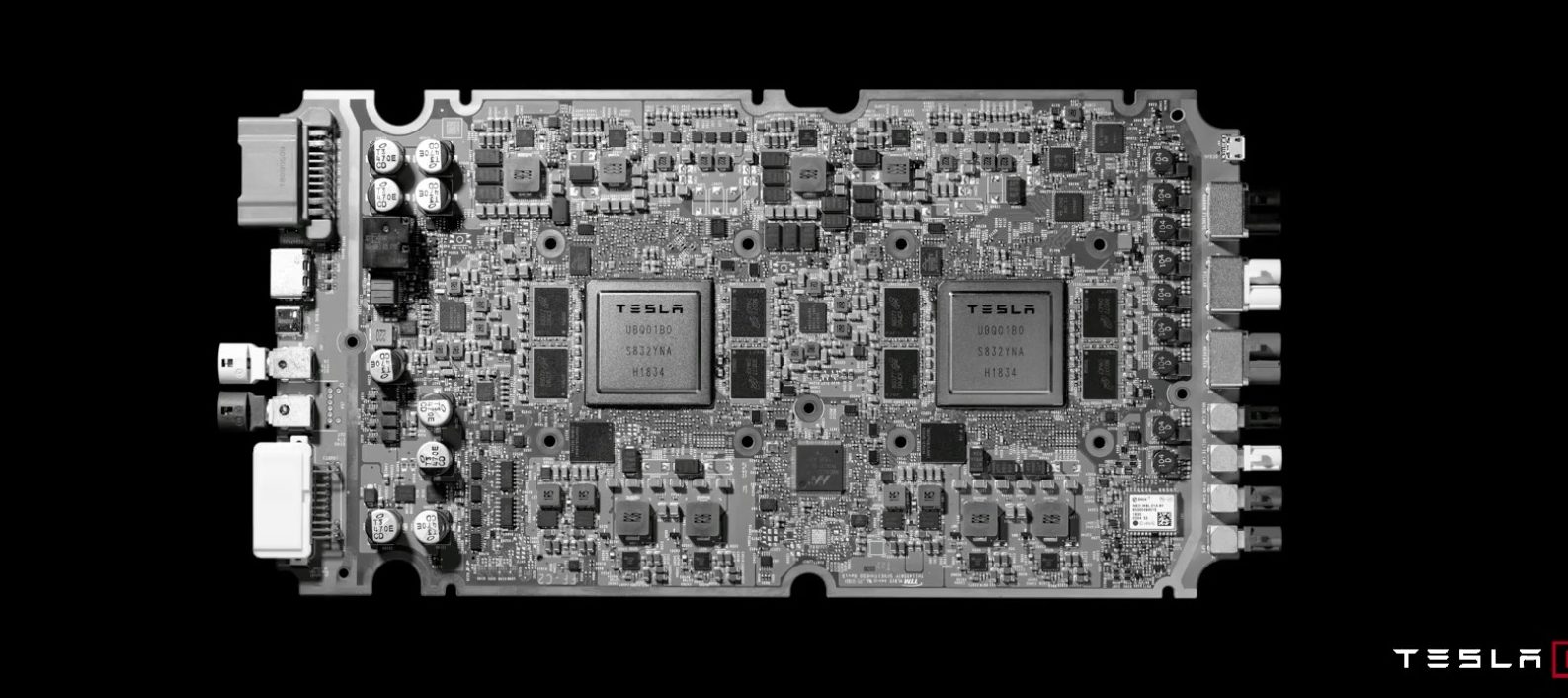
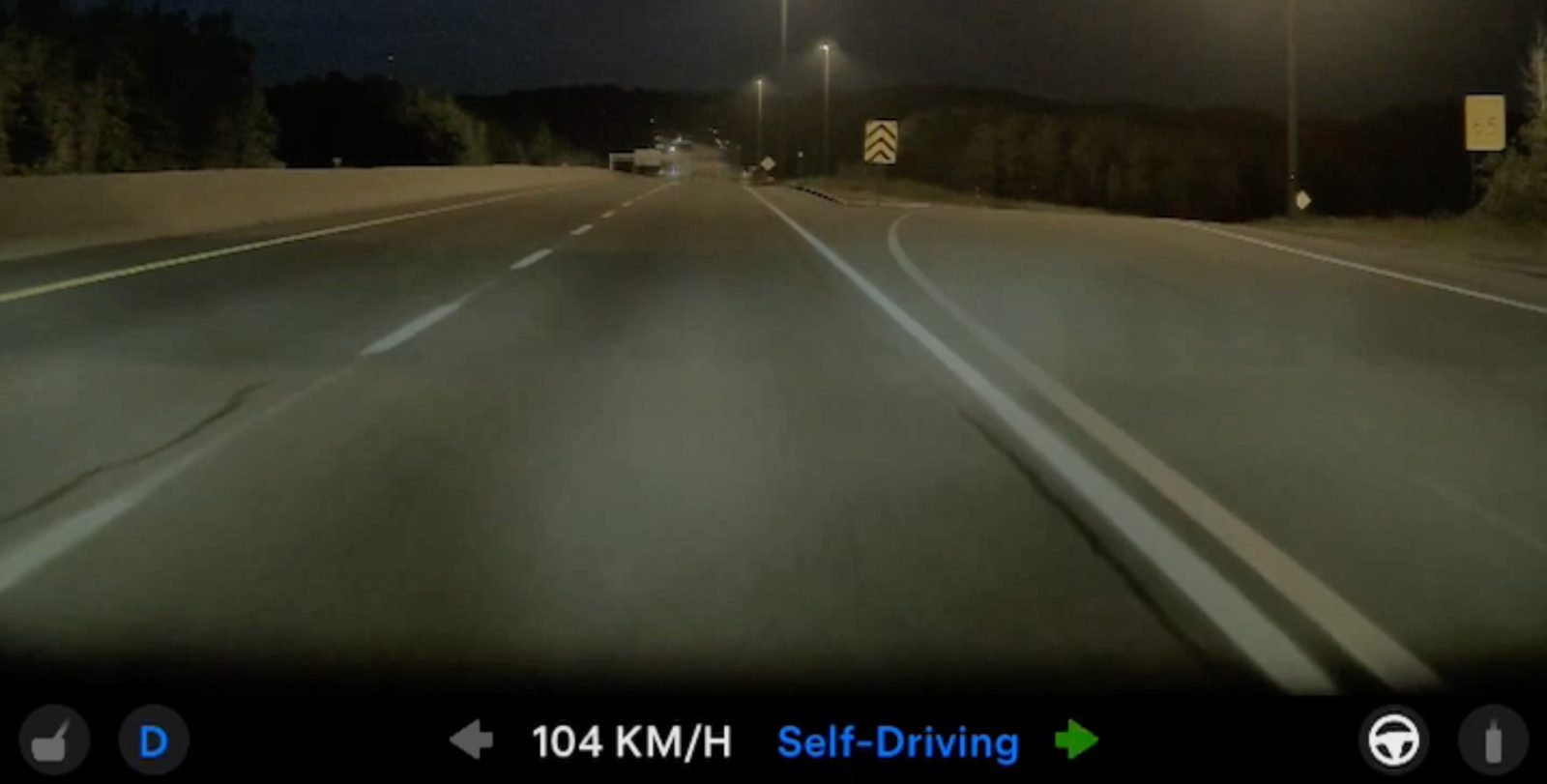
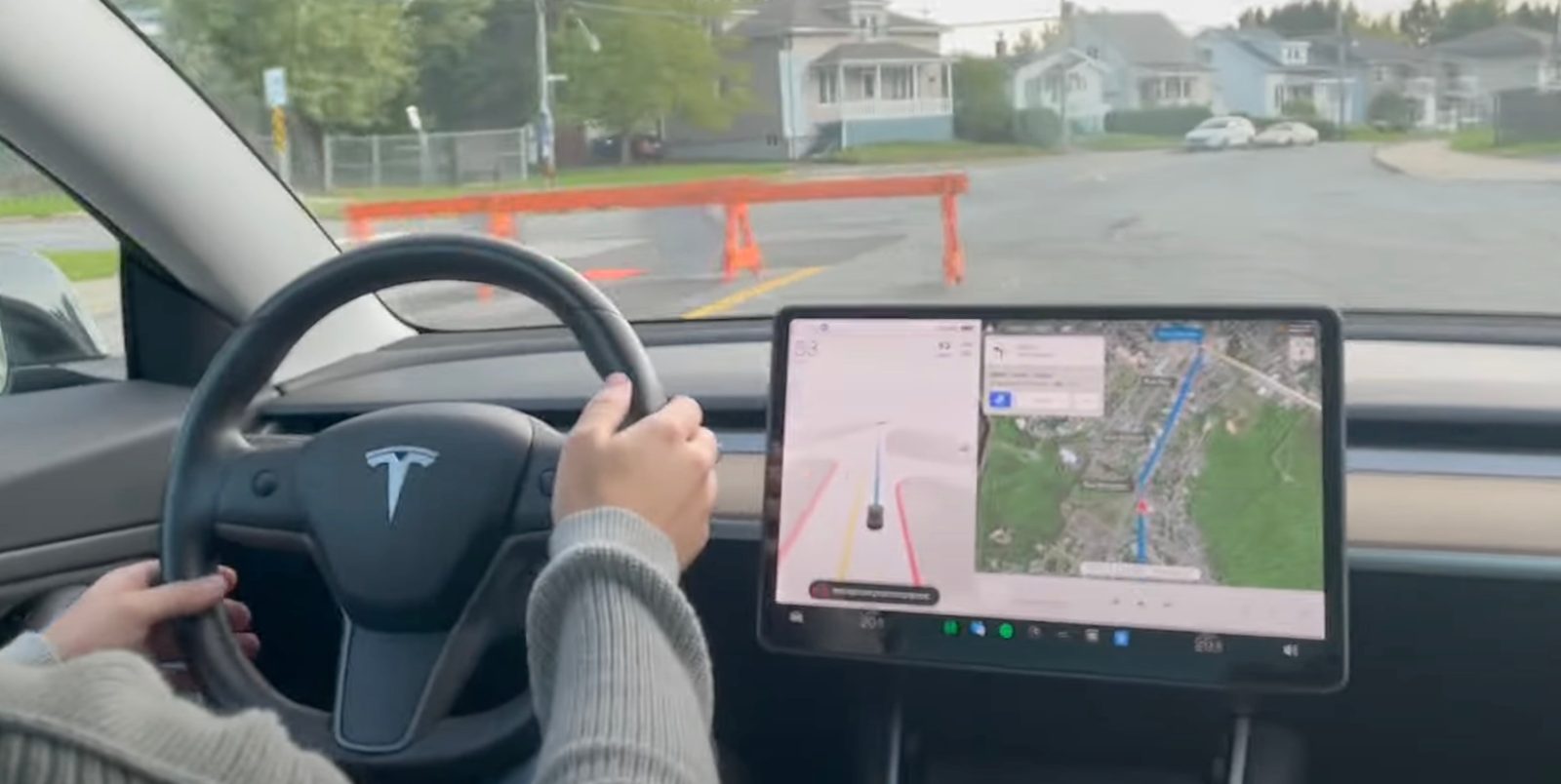
- Tesla pushed FSD v14 Lite to wide release for HW3 vehicles on July 21 via software 2026.20.6.11 (FSD v14.3.6), a distilled version of the HW4 v14 model running on the memory-constrained 8GB AI3 computer.
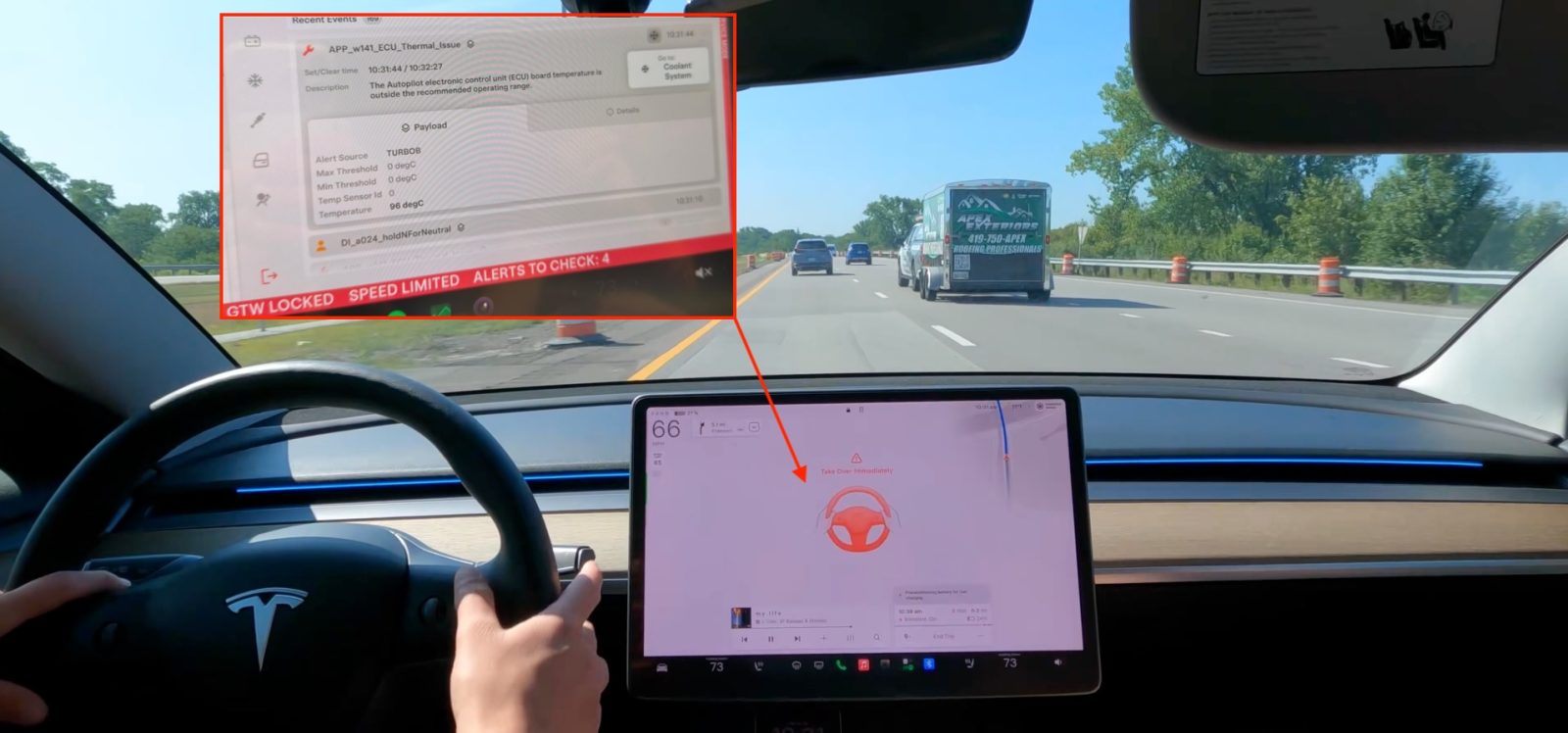
- HW3 owners are reporting Autopilot ECU thermal alerts triggering the APP_w141_ECU_Thermal_Issue fault above 90°C, with multiple owners measuring 96°C, alongside broader regressions including phantom braking, hesitation, and brake stuttering.
- Tesla Service has told some owners that their Autopilot computers fully shut down and require replacement, a scenario beyond thermal throttling into outright hardware failure.
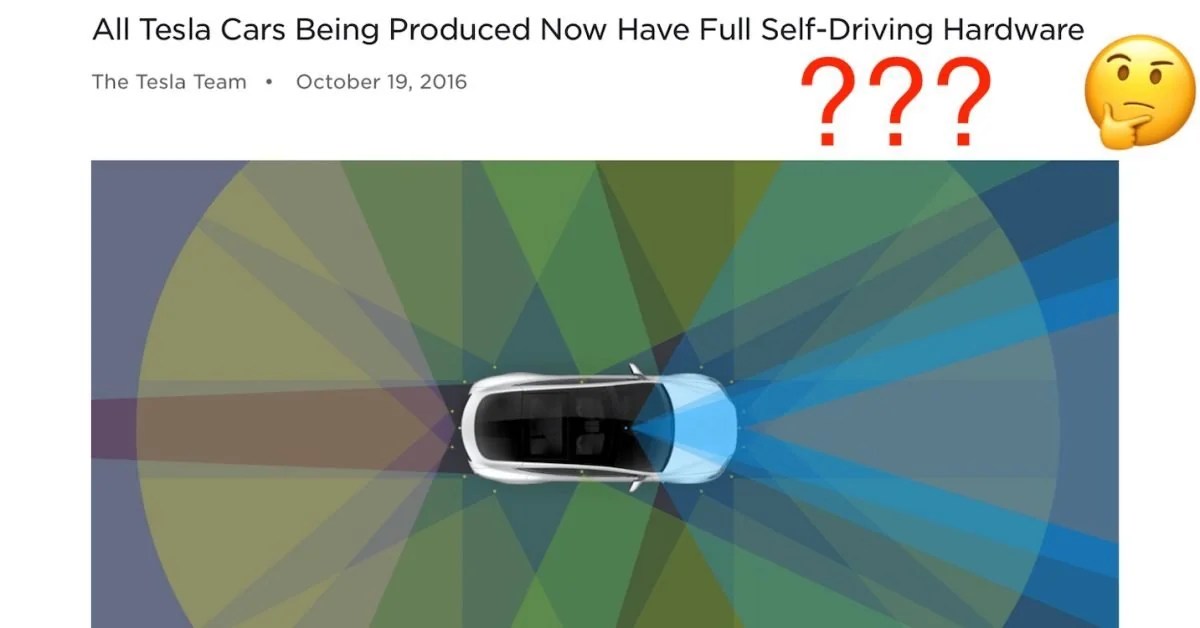
- Tesla is already on the hook to replace the self-driving computer in roughly 4 million HW3 cars or compensate their owners after admitting the hardware cannot deliver the unsupervised self-driving it was sold.
- The APP_w141 thermal fault predates v14 Lite by years and is typically traced to cooling loop issues (low coolant, air pockets in the Octovalve, or clogged radiators); Tesla has not confirmed the software is causing hardware to fail.
- Four Tesla owners contacted Electrek directly within two weeks of the rollout about the same overheating-and-failure pattern, on top of public reports clustering around v14 Lite installs.
Why it matters: Tesla is pushing a heavier v14 model onto 7-year-old hardware it has already admitted cannot deliver unsupervised self-driving, with owners now reporting full computer failures. If v14 Lite shortens HW3 computer lifespans, a routine software rollout becomes a warranty and goodwill problem at the scale of an existing 4 million-vehicle liability, just as those vehicles approach warranty expiration.
Ask SkimNews