PARP Inhibitors Get Trapped in Tumor Lysosomes, Study Finds — SkimNews
Get the Health newsletter
Daily health & science — research, biotech, public health, the studies worth knowing. Free.
- Dr. Louise Fets and colleagues at the MRC Laboratory of Medical Sciences published in Nature Communications (March 27, 2026) that PARP inhibitors can become trapped inside tumor cell lysosomes, forming slow-release reservoirs that produce striking single-cell variability in drug exposure within the same tumor sample.
- Rucaparib and niraparib accumulated in lysosomes, but olaparib did not, showing the trapping effect is drug-specific within the PARP inhibitor class rather than a universal feature — a finding the authors flag as directly relevant to choosing between existing approved drugs.
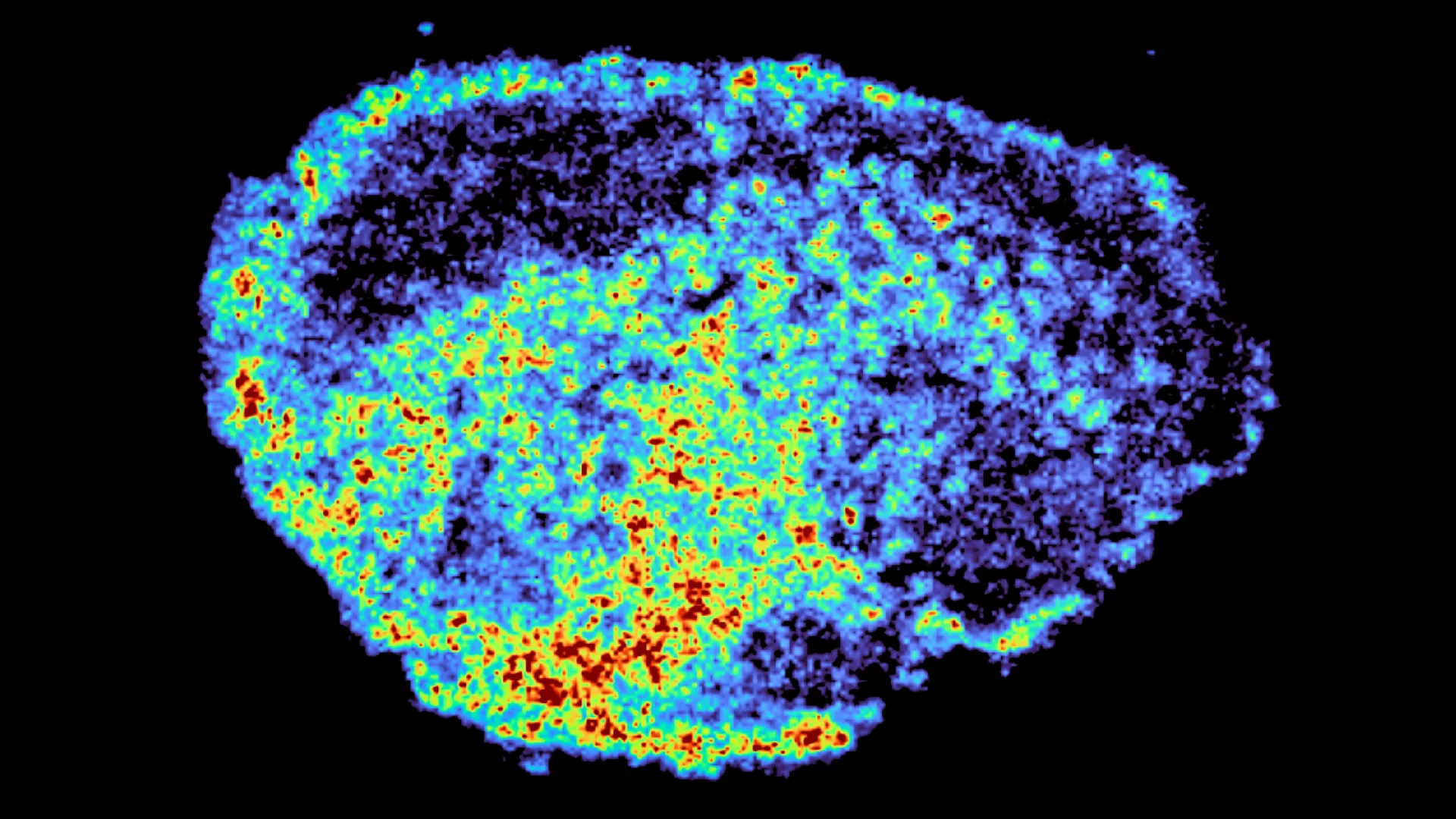
- Using mass spectrometry imaging paired with spatial transcriptomics on patient-derived ovarian tumor explants, the team directly visualized drug distribution and matched it to gene expression in the same tissue slice, a combination Dr. Zoe Hall (senior author, Imperial College London) called the study's novel core.
- Dr. Carmen Ramirez Moncayo, first author and LMS postdoctoral researcher, said the team 'was surprised to see large variability in drug accumulation at the single-cell level,' driven by lysosomal build-up storing and releasing drug gradually.
- PARP inhibitors are already approved for ovarian, breast, and prostate cancers and in trials for additional cancer types, and Dr. Fets said the team hopes eventually to read a patient's molecular signature to tailor which PARP inhibitor they receive.
- The study was funded by the Medical Research Council, Cancer Research UK, an MRC Toxicology Unit Integrative Toxicology Training Partnership PhD studentship, and a Victoria's Secret Global Fund for Women's Cancers Career Development Award, with authors noting that disorganized tumor blood vessels in real patients may further compound uneven drug distribution.
Why it matters: The finding gives oncologists a concrete, drug-specific mechanism — lysosomal trapping — that distinguishes olaparib from rucaparib and niraparib within an already-approved drug class, meaning treatment selection for ovarian, breast, and prostate cancer patients could be refined without waiting for new compounds. For the thousands of patients on PARP inhibitors who relapse, the mechanism offers a new biological target for combination strategies aimed at resistance.
Ask SkimNews