Kit Connor, Joe Locke on Heartstopper's Film Finale — SkimNews
Get the Culture newsletter
Daily culture — film, music, books, the trends and ideas worth your attention. Free.
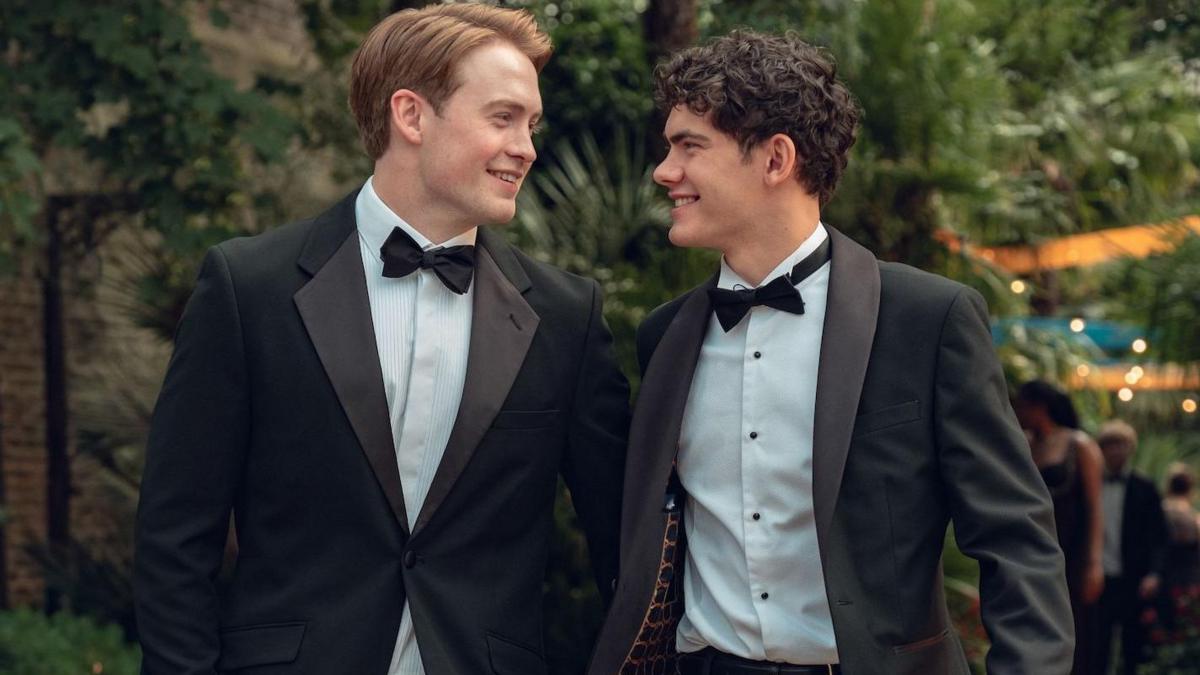
- Heartstopper Forever concludes Netflix's adaptation of Alice Oseman's book series as a film — originally planned as a fourth TV series — following Nick and Charlie navigating a long-distance relationship when Nick heads to university and Charlie stays behind for exams.
- Kit Connor told the BBC the on-screen representation in the film matters "wherever we are in the world and whatever the powers that be are doing," adding Netflix confirmed the film will be available in several territories where homosexuality is criminalised.
- The film features a Pride celebration scene in the fictional English town of Truham, while the third series saw a political shift with trans character Elle Argent (Yasmin Finney) addressing real-life issues facing transgender people.
- Joe Locke called on producers to follow Heartstopper's open-casting approach — he got the role of Charlie from among more than 10,000 applicants — saying "you can't create content that reflects the outside world if you're not letting the outside world in."
- Both Connor, 22, and Locke, 22, served as producers on the film, with Locke noting they "actually put some effort in and took it seriously" and handled storylines around eating disorders, mental health, alcohol dependency, and difficult family dynamics.
- Since Heartstopper began in 2022, Locke has starred in Marvel's Agatha All Along and made debuts on both Broadway and the West End, while Connor — who was forced to come out as bisexual amid social media speculation around the first series — had previously appeared in Rocketman and His Dark Materials.
Why it matters: The film lands as a deliberate statement of queer joy during a period when LGBTQ+ visibility faces political pushback in multiple countries, with Netflix extending distribution into regions where homosexuality is criminalised. Both 22-year-old leads doubling as producers signals a growing shift toward young actors controlling their own creative output on flagship IP, a model established through Heartstopper's open-casting process that brought multiple newcomers to prominence.
Ask SkimNews


