$8bn Renewables Could Free Cuba From US Blockade: Report

Get the Energy newsletter
Daily energy & climate — solar, EVs, oil, the policy fights and tech bets shaping the transition. Free.
- Common Wealth's Transition Security Project says $8bn could fund renewables covering 93.4% of Cuba's electricity generation, with a fully renewable grid costing $19.2bn and potentially making Cuba the first Caribbean country to run entirely on clean power.
- Cuba has received only one oil shipment since January — from Russia — after Trump signed an executive order threatening trade tariffs on any country selling it fuel; by March, the national grid had collapsed, cutting power to 10 million people and hospital ICUs.
- The TSP analysis modeled four investment scenarios and found the cost per kWh falls from 14.3¢ in the baseline to 6.5¢ at the $8bn level, and that even a $5bn rollout would cut Cuba's fossil fuel reliance to roughly one-fifth of generation.
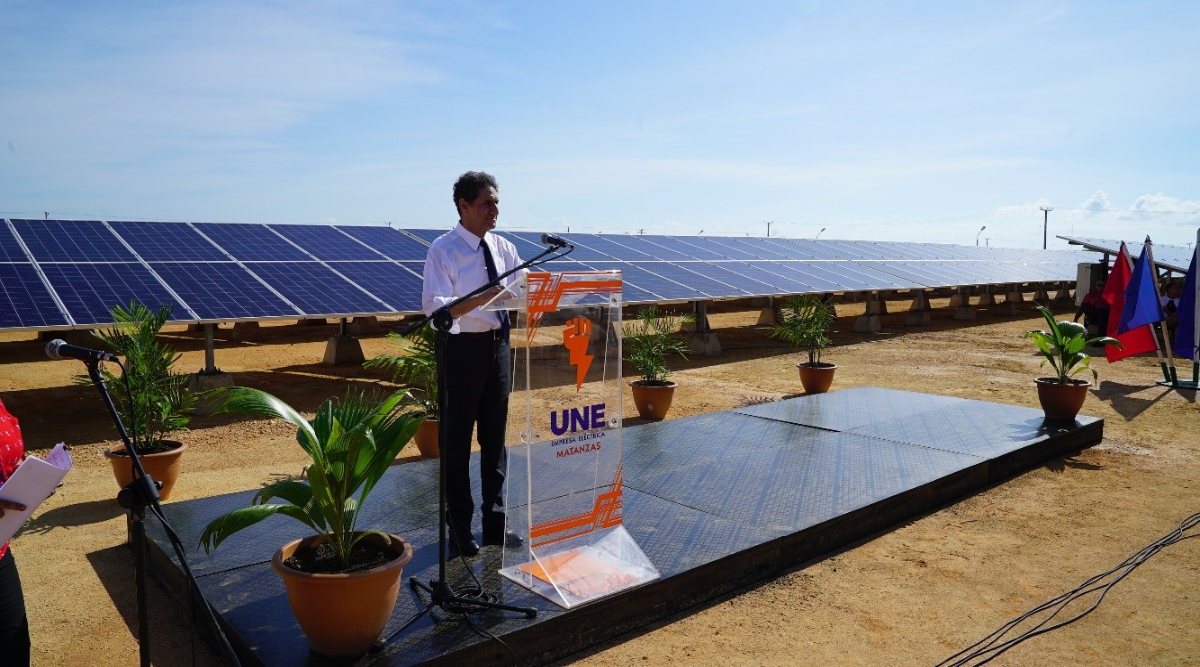
- The most ambitious $19.2bn plan envisions three-quarters of electricity from solar, a fifth from wind, and the rest from hydropower and bioenergy — and Cuba has already added 1,000MW of solar in the past year with Chinese financing.
- Researcher Kevin Cashman frames the financing as 'reparative climate finance,' arguing the rest of the world should pay because a green transition would 'reduce US leverage' and 'set an important example of a rapid energy transition under conditions of external constraint.'
Why it matters: Cuba's grid has already collapsed under the US energy blockade, and this report puts a concrete number on escape: $8 billion would drop electricity costs from 14.3¢ to 6.5¢ per kWh while ending imported-oil dependence. The 'reparative climate finance' framing turns the blockade into a test case for whether other countries will fund a sanctioned state's green transition, and the report's own modeling shows renewables beating current prices at almost every investment level.