A new BRICS is emerging — can it deliver? — SkimNews

Get the Geopolitics newsletter
Daily geopolitics — wars, elections, sanctions, the diplomatic moves that move markets. Free.
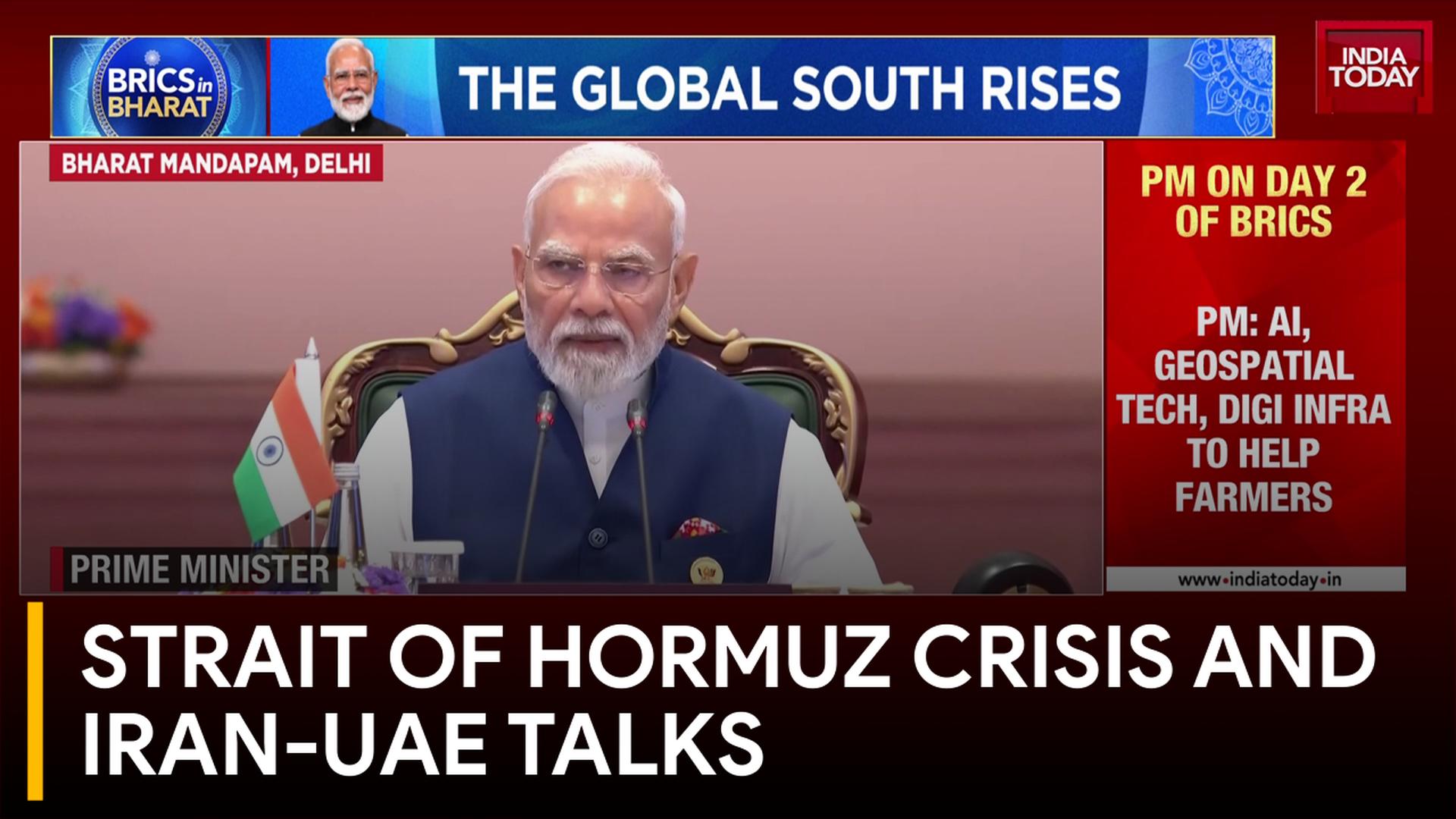
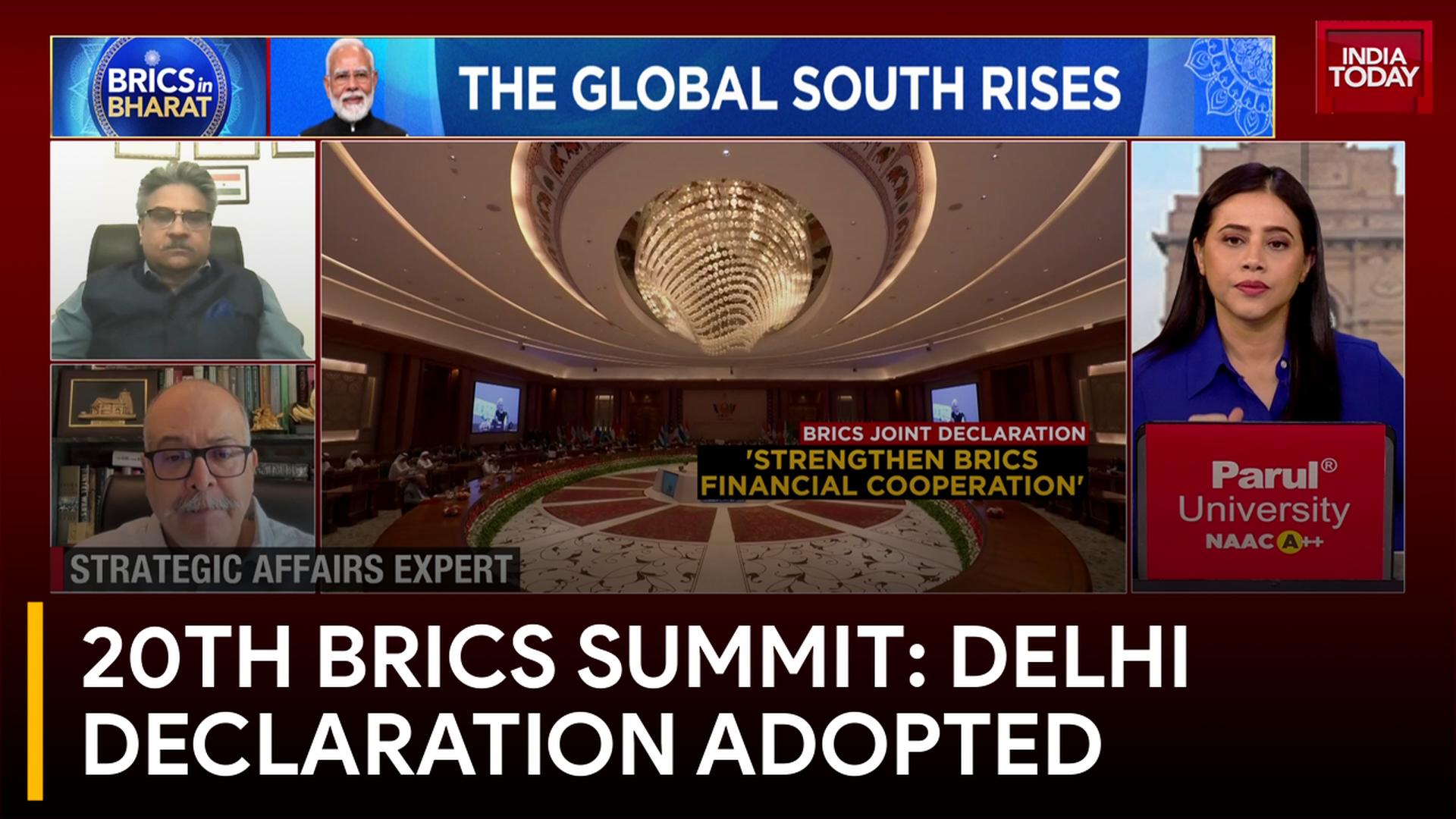
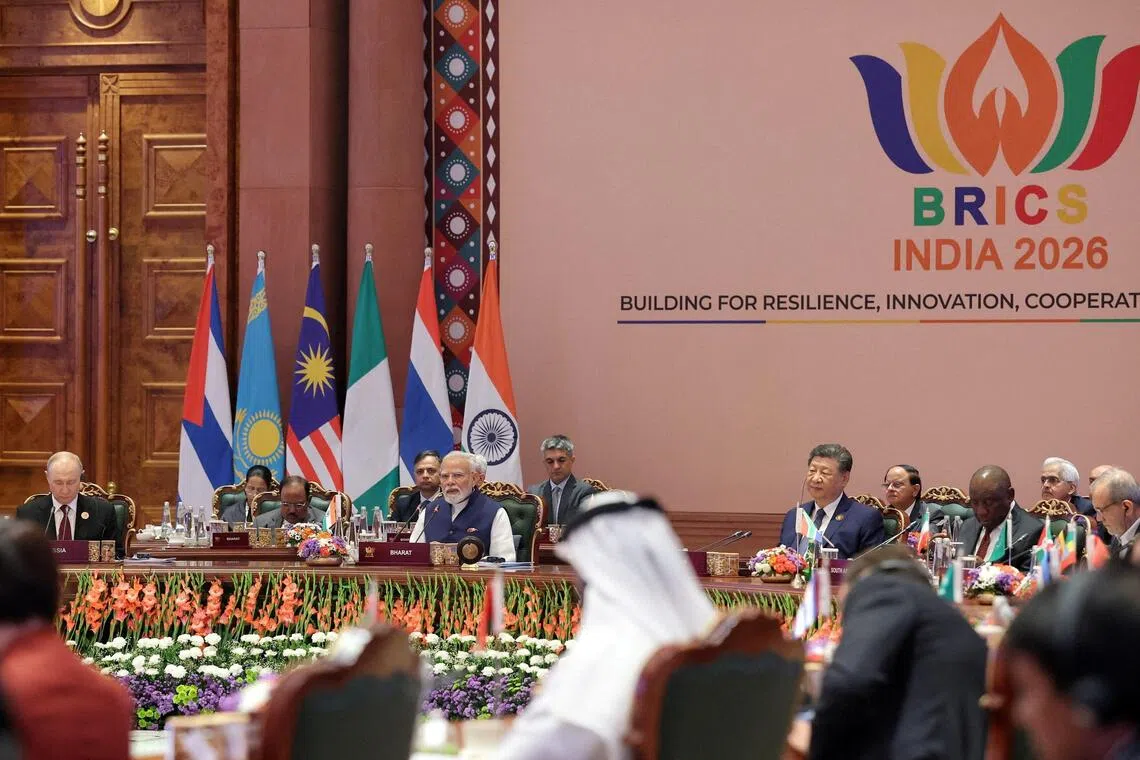
- The New Delhi Declaration, adopted unanimously at the 18th BRICS Summit on September 12, contains more than 130 paragraphs — only about a third address geopolitics and security, while the remaining roughly 100 sketch development architecture spanning health, food security, energy, finance, trade, climate, and human development.
- India's chairmanship operationalized its theme — "Building for Resilience, Innovation, Cooperation and Sustainability" — through a dedicated Task Force on Growth and Development built explicitly around those four pillars.
- The New Development Bank is described in the declaration as entering its "second golden decade," expanding local-currency lending and courting new members, while a proposed BRICS Multilateral Guarantees mechanism aims to lower development-project financing costs and a Global Value Chains Action Plan runs to 2030.
- A proposed BRICS Grain Exchange, still in early discussion, could give food-import-dependent countries a hedge against the kind of price shocks that hit in 2022 with the Ukraine war and have recurred with the Iran conflict.
- The operative language across the development chapters relies on soft verbs — "welcome," "note," "encourage," "look forward to," "acknowledge" — and almost everything beyond the New Development Bank and an unsigned customs cooperation agreement amounts to voluntary frameworks, working groups, dialogues, or MOUs with no binding force or deadlines.
- Fourteen science and technology working groups, seven industrial cooperation working groups, and dozens of new networks and centers of excellence have been launched — institutional machinery with no monitoring framework or accountability mechanism for non-delivery.
- Three testable benchmarks are proposed by the author: whether export and value-added data show developing economies climbing global value chains by the plan's 2030 horizon, whether guaranteed borrowing shows measurable spread compression against comparable unguaranteed debt, and whether the Grain Exchange executes a single verifiable trade.
Why it matters: For Global South economies seeking alternatives to slow-reforming Bretton Woods institutions, BRICS' development agenda offers genuinely useful ballast — but with no monitoring framework, no binding deadlines, and operative language that announces activity rather than commits resources, the New Delhi Declaration risks repeating the pattern that sank the Non-Aligned Movement and G-77: solidarity rhetoric standing in for delivery because no one tracks specific commitments against specific dates.
Ask SkimNews