UK Foreign Chief Heads to ASEAN Hours After Appointment
Get the Geopolitics newsletter
Daily geopolitics — wars, elections, sanctions, the diplomatic moves that move markets. Free.
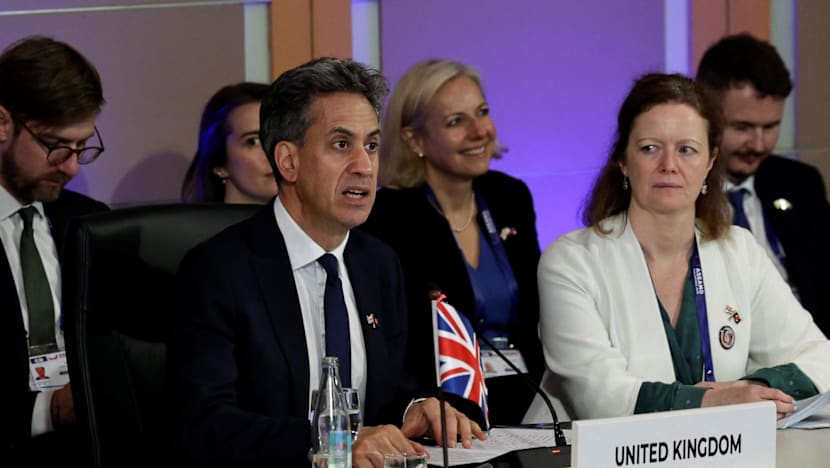
- Ed Miliband, appointed Foreign Secretary on Jul 20, boarded a 16-hour flight to the Philippines within hours to attend the ASEAN Foreign Ministers' Meeting, his first overseas engagement, marking five years of the ASEAN-UK Dialogue Partnership.
- Britain and ASEAN adopted a new five-year plan of action covering trade, green energy, maritime security and regional resilience, with Miliband citing "a moment when the world is ever more unstable and uncertain."
- Miliband held one of his first bilateral meetings with China's Foreign Minister Wang Yi, who urged Britain to provide Chinese companies a "fair, equitable and non-discriminatory" business environment — talks occurring against the backdrop of the British Steel dispute.
- Andy Burnham entered Downing Street as Britain's seventh prime minister in a decade, and analysts say he is likely to pursue a "managed interdependent strategy" with China tied to his re-industrialisation agenda (per UCL economics lecturer Sangaralingam Ramesh).
- Jingye Group, the Chinese owner of British Steel since 2020, is seeking compensation after the previous Starmer administration nationalised the company when Jingye moved to shut its blast furnaces; an independent UK evaluation will determine any payout.
- The UK-India Free Trade Agreement, which entered into force in mid-July, is expected to be built upon by the Burnham government to expand investment, services and technology cooperation.
- Burnham's relationship with US President Donald Trump will be central to Britain's foreign policy, per LSE's Tony Travers; Trump described their first phone call as "a very good conversation" despite Burnham's past public criticism.
Why it matters: Miliband's choice of ASEAN as his maiden trip, paired with the unresolved British Steel nationalisation carried over from the Starmer administration, means London's China posture shifts toward what Ramesh calls 'managed interdependence' — Burnham pursuing industrial ties with Beijing while preserving the US alliance and deepening a newly in-force UK-India FTA.