Lilly's retatrutide drops weight, dodges heart signal

Get the Health newsletter
Daily health & science — research, biotech, public health, the studies worth knowing. Free.
- Eli Lilly's retatrutide cut body weight 22.6% over 80 weeks vs 3.2% on placebo among nearly 2,000 patients with obesity and heart diseaselink ›
- Retatrutide missed statistical significance on secondary CV endpoints covering death, heart attack, and stroke, with fewer heart events than anticipatedlink ›
- Lilly said the trial wasn't powered to study cardiovascular outcomes, pointing to a future dedicated CV outcomes studylink ›
- TD Cowen's survey of 80 biopharma leaders found AI compressing preclinical drug-development timelines up to 70%, fueling roughly $1B in new tech spending over three to five yearslink ›
- AI hasn't yet delivered an FDA-approved drug, and skeptics warn the ~90% clinical failure rate won't move without better modeling of human biological diversitylink ›
Eli Lilly's Phase 3 retatrutide data landed Thursday and split cleanly in two: patients on the high dose lost 22.6% of body weight over 80 weeks versus 3.2% on placebo, numbers that put the "triple-G" agonist ahead of Zepbound in the obesity arms race. But secondary cardiovascular endpoints — death, heart attack, stroke — didn't hit statistical significance, and fewer heart events occurred than expected. Lilly says the trial wasn't powered for CV outcomes, fair enough, but the data leaves the cardiometabolic value proposition for the class squarely unsettled heading into a dedicated outcomes trial.
The stories behind this week
TD Cowen: AI Cuts Drug Dev Timelines Up to 70%The 70% compression in preclinical timelines represents a structural shift in pharma R&D economics, redirecting roughly $1 billion in new spending toward AI platforms, simulation software, and 3D tissue models over three to five years. Wet-lab roles may stay relatively intact, but the 90% drug failure rate shows AI has yet to translate efficiency into actual FDA approvals — leaving investors and regulators exposed to whether the hype matches the clinical payoff.

STAT+: New data on Eli Lilly’s ‘triple-G’ drug leave open questions on heart benefitWith a 22.6% weight-loss result among nearly 2,000 patients with heart disease, Lilly had positioned this trial to deliver both an efficacy and a cardiovascular signal. The missing statistical significance on secondary CV endpoints, combined with fewer heart events than expected, means whether retatrutide reduces cardiovascular risk remains unanswered by this study alone.
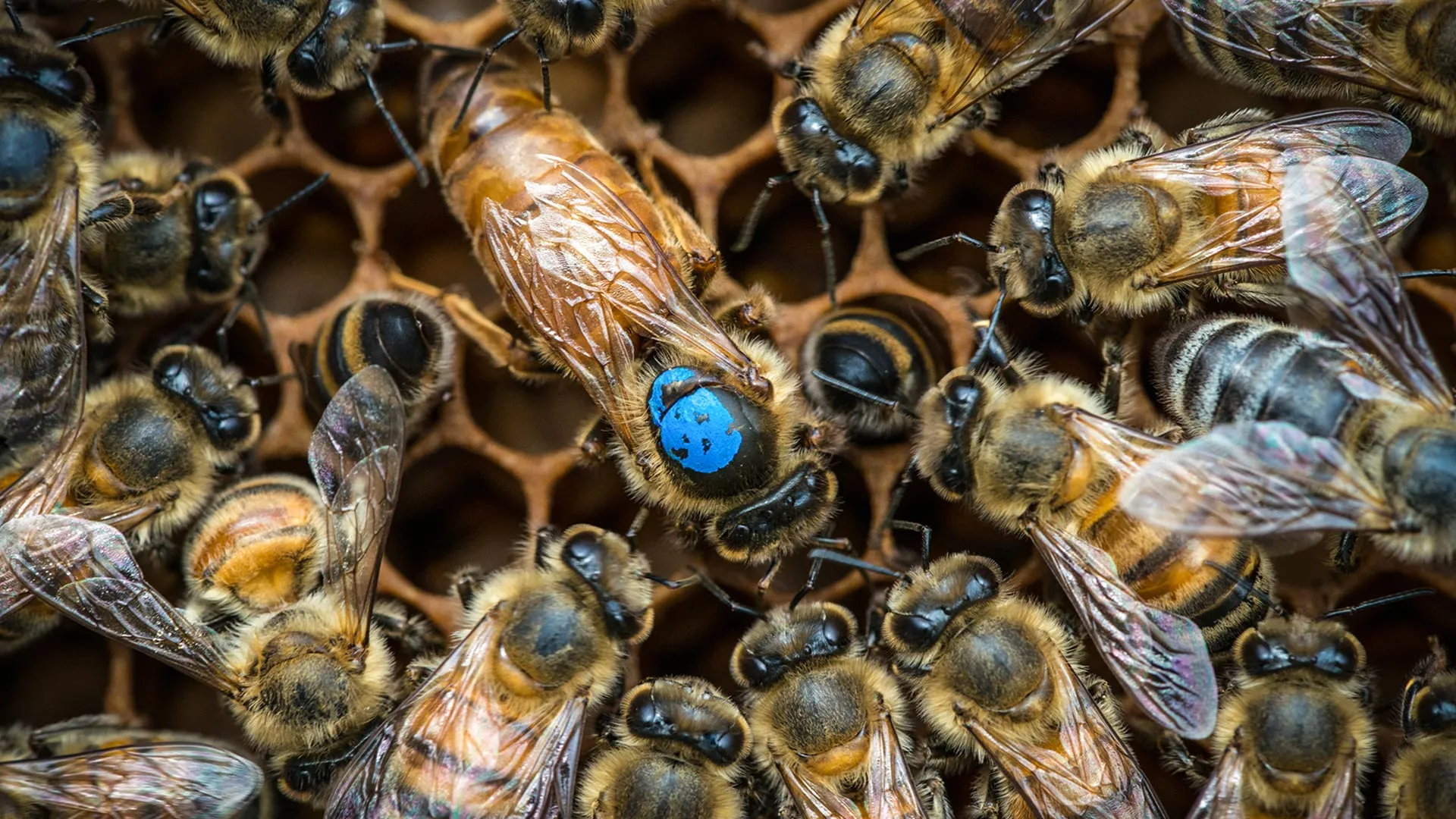
Gene Circuit Controls Bee Job RolesThis discovery shifts understanding of how complex social systems self-organize without central control, showing that a single gene and its neural circuits can override age-based roles in a colony. It offers a model for studying hardwired behavioral plasticity in other species, including humans.

Hospitals Should Learn From Argentina's World Cup LossThe column reframes a global sporting upset as a cautionary tale for healthcare leadership, contending that stability and continuity — while valuable — can harden into blind spots when hospitals stop examining whether the conditions around past successes have changed. The Spain-Argentina contrast becomes a metaphor for institutional decline driven less by incompetence than by preservation of yesterday's formula.

How to make your vacation's mood boost last monthsFor the millions whose post-holiday mood crashes within weeks, this research reframes vacation planning from "where to go" to "what psychological needs to satisfy" — and surfaces free, evidence-backed levers (exercise, journaling, anticipation, novel local activities) that deliver months of benefit without requiring long trips or luxury budgets.

AI-Altered Bird Photos Threaten Citizen Science DataCitizen science platforms like iNaturalist, with over 610 million images, feed directly into peer-reviewed research on species range shifts driven by climate change. Even well-intentioned AI edits that blend features across species can silently corrupt that record, meaning a tool meant to sharpen a photo can erase or invent a species at the edge of its range.

Clothes made from living fungi can clean and repair themselvesIf scaled, the material could replace petroleum-based textiles with something that fully disappears in soil within roughly 40 days, tackling the fast-fashion waste problem Beardsley flagged. The tradeoff Beardsley named — a garment that could break down mid-wear — is the central engineering hurdle before any commercial use, and Li's team has yet to put the dress on a human body.

Regenerative Farms Show Higher Crop Nutrient LevelsFor a global food system serving 8.3 billion people, the unresolved question is whether regenerative agriculture delivers real, scalable nutritional gains or remains a premium niche practice — with some studies reporting double-digit-fold nutrient increases and others concluding the differences are too small or variable to matter.
Why it matters: The cardiovascular non-result leaves Lilly arguing 'we lost 22.6% of body weight' while cardiologists and payers ask the only question that will pay for it: does the drug save hearts?


