Beyond Hormuz: Five Chokepoints Reshaping Maritime Strategy — SkimNews
Get the Geopolitics newsletter
Daily geopolitics — wars, elections, sanctions, the diplomatic moves that move markets. Free.
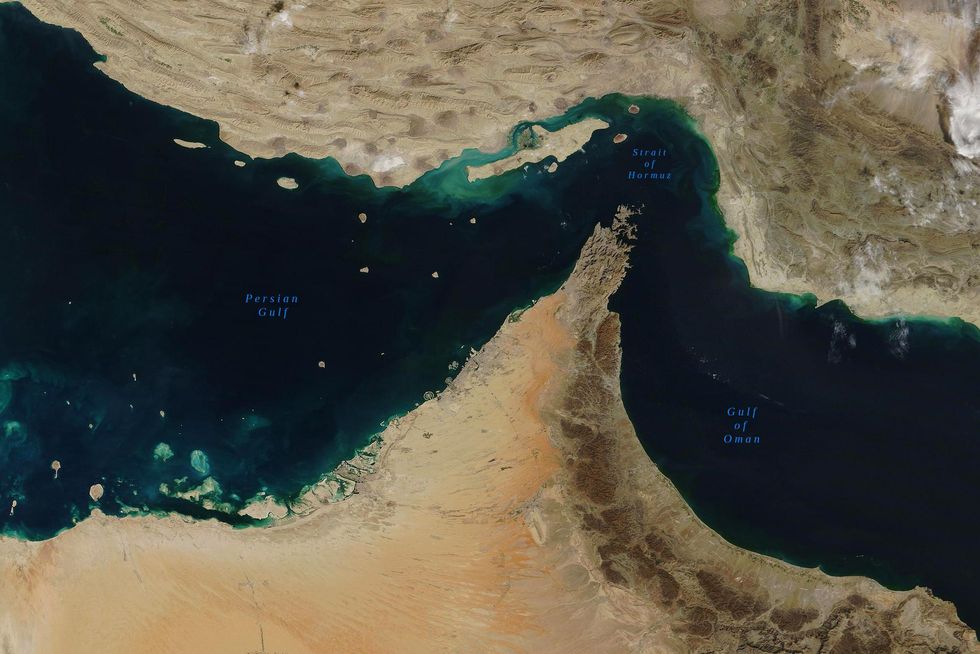
- Iran closed the Strait of Hormuz and sought to extract payments for safe passage, while the Houthis attacked Saudi shipping through the Bab el-Mandeb Strait, spotlighting chokepoint vulnerabilities beyond the Persian Gulf and Red Sea.
- War on the Rocks assembled five experts to assess strategic risks across the Strait of Malacca, Taiwan Strait, Panama Canal, Suez Canal, and Turkish Straits as a connected network, not isolated flashpoints.
- China faces what Patrick M. Cronin (Hudson Institute) calls a "Malacca dilemma" — Gulf energy exports to Asia transiting through the strait — which has shaped Beijing's hedging across multiple supply networks.
- Xi Jinping since 2013 has pursued diversified supply routes, expanded strategic reserves, renewable energy buildout, and overland corridors to reduce China's reliance on the Strait of Malacca.
- Beijing pursues an asymmetric maritime strategy: preserving open sea lanes in peacetime while retaining the ability to threaten chokepoints in wartime, with modern technology making commercial shipping increasingly vulnerable to gray-zone coercion.
- Peter Harris (Colorado State University) and other contributors argue that even short closures at a single chokepoint raise geopolitical and geoeconomic risk across the entire maritime system, not just the affected waterway.
Why it matters: The analysis reframes Hormuz as one node in a global chokepoint network where China's asymmetric strategy and Malacca dependence mean disruption at any single strait cascades across energy and supply chains. Import-dependent economies and naval powers alike face harder escalation-versus-accommodation tradeoffs, with gray-zone coercion now a standing risk rather than a crisis-only threat.
Ask SkimNews