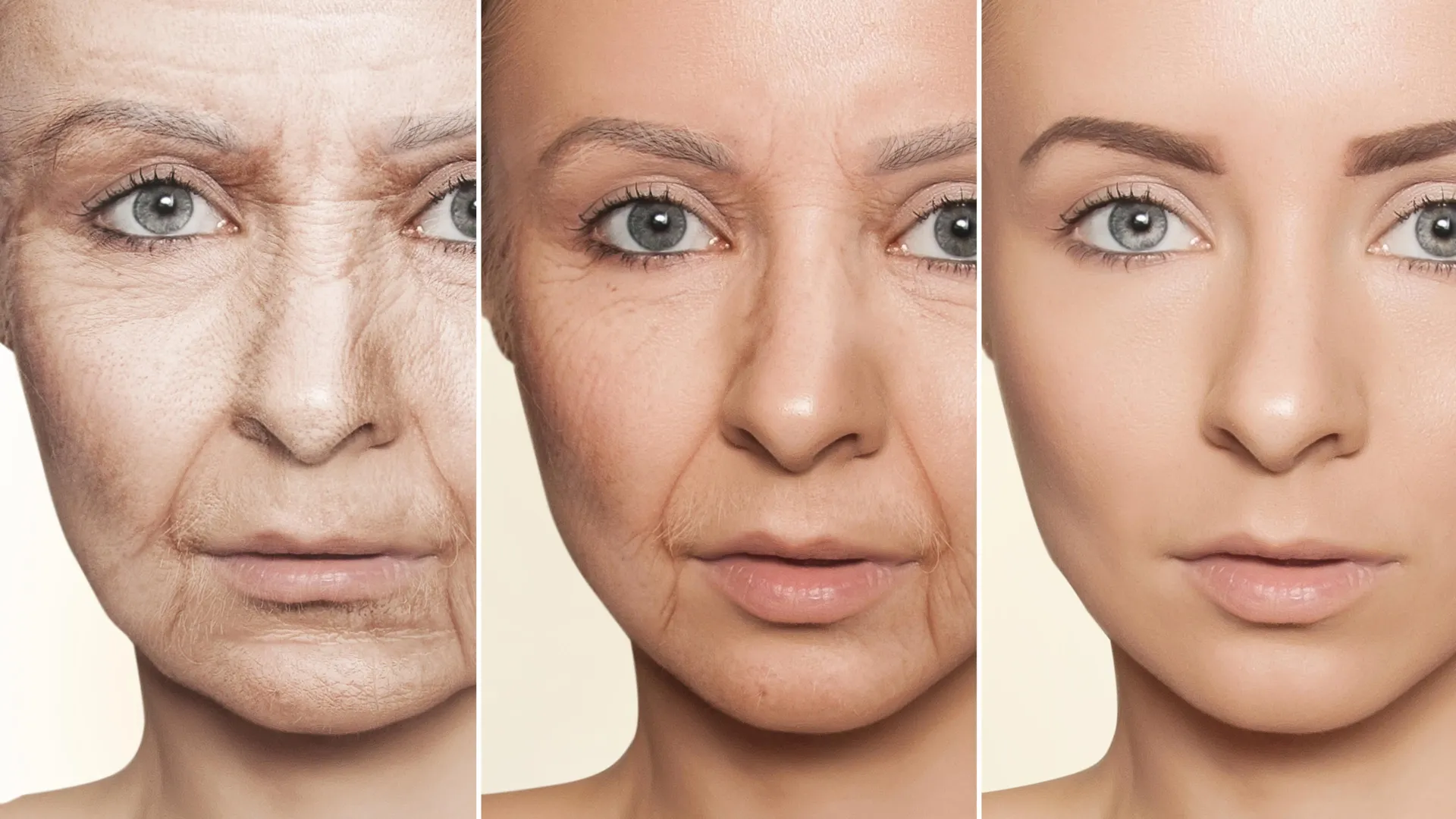
Menin Protein Reverses Aging Signs in Mice in 30 Days — SkimNews
Get the Health newsletter
Daily health & science — research, biotech, public health, the studies worth knowing. Free.
- Lige Leng and colleagues at Xiamen University discovered that the hypothalamic protein Menin declines with age in mice, and disabling it triggered thinning skin, bone loss, cognitive decline, and modestly shortened lifespan.
- Gene-therapy restoration of Menin in the ventromedial hypothalamus of 20-month-old mice produced thicker skin, increased bone mass, better balance and memory, and longer survival within 30 days, per the 2023 PLOS Biology study.
- D-serine supplementation in older mice's drinking water for three weeks improved learning and memory by restoring NMDA-receptor signaling, but did not rebuild bone mass or skin thickness — limiting it to a cognitive, not whole-body, intervention.
- Menin's mechanism involves control of the PHGDH enzyme and thus D-serine production; researchers note ordinary serine-rich foods are not equivalent to the D-serine form used in the experiments.
- Follow-up studies include a 2024 Washington University paper identifying a separate hypothalamic circuit that extends mouse lifespan via fat-tissue signaling, and a January 2025 Nature analysis of ~1.2 million mouse brain cells localizing aging vulnerability around the third ventricle.
- Two 2026 studies — one in Cell on hypothalamic biological rhythms and one in Cell Metabolism on the Mimecan protein's muscle-to-hypothalamus signaling — extended lifespan in mice, reinforcing the view that multiple brain circuits coordinate systemic aging.
- Human evidence remains thin: a 2016 randomized trial tested D-serine in 50 healthy older adults, though the article cuts off before reporting the trial's outcome, underscoring how far the mouse findings sit from any clinical recommendation.
Why it matters: The work reframes the hypothalamus as a command center for whole-body aging, with Menin as one identified molecular lever — meaning future anti-aging interventions may need to target the brain, not just individual organs. For consumers, the D-serine angle is the most marketable but also the most easily oversold: the source explicitly notes the supplement helped cognition only and is not interchangeable with serine-rich foods, while human evidence from a 50-person 2016 trial remains inconclusive.
Ask SkimNews