Global EV Sales Drop 11% in Feb 2026 — SkimNews

Get the Energy newsletter
Daily energy & climate — solar, EVs, oil, the policy fights and tech bets shaping the transition. Free.
- Global plug-in vehicle sales fell 11% year-over-year in February 2026 to roughly 1.1 million units — BEVs down 8% and PHEVs down 16% — the worst drop since the COVID era, attributed to the end of US incentives last October and partial removal of Chinese subsidies at the end of 2025.
- Tesla's Model Y led all models with 72,710 registrations (+53% YoY) while the Model 3 took #2 at 32,234 units (-23% YoY), giving Tesla the top two spots in a non-peak month for the first time in years.
- Excluding China and the US, global EV sales jumped 36% YoY, with BEVs growing 39% and PHEVs 30% — the article's central counterpoint that the headline decline is policy-driven, not demand-driven.
- Toyota's BZ4X hit a record 12,419 registrations and reached #9 globally, the first Toyota in the top 10 in many years, with sales spread across Japan, Denmark, Canada, and the US after a refresh that lowered its price.
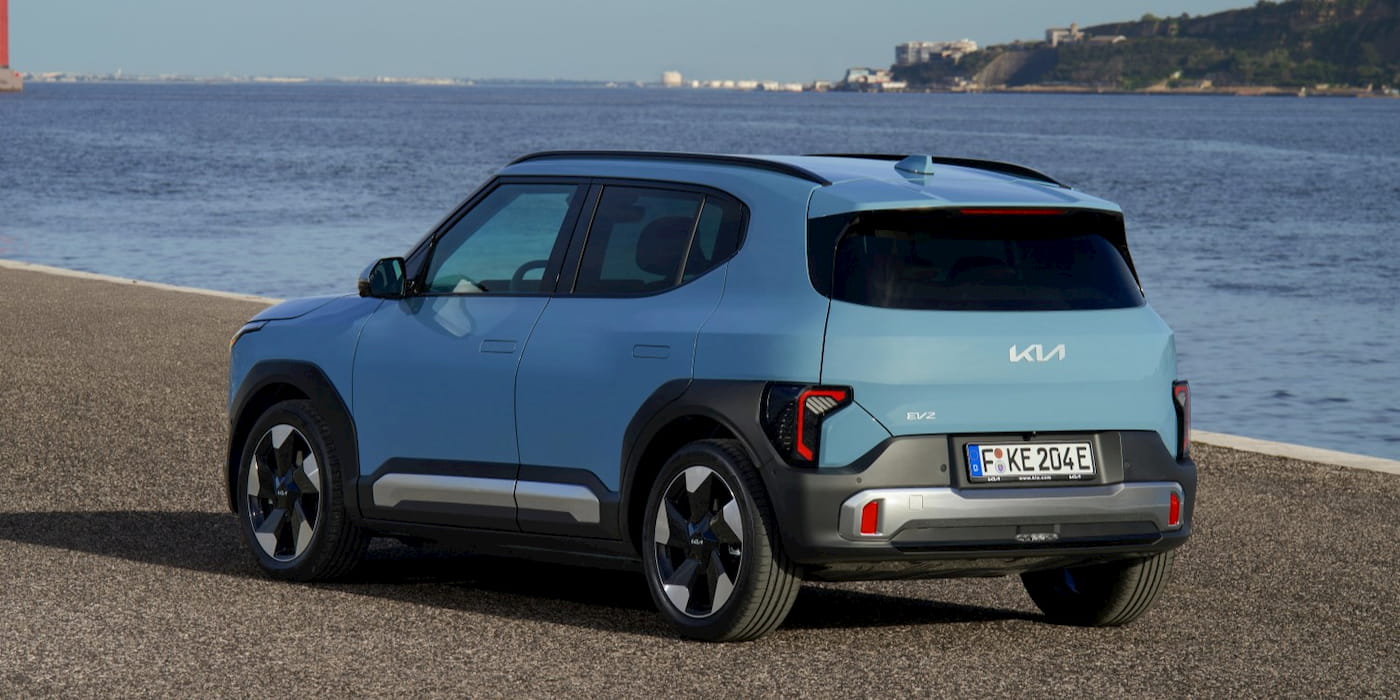
- Kia climbed to #6 among global manufacturers — its highest standing in years — driven by record EV5 sales (4,512 units) and continued ramp-ups of the EV4 and PV5.
- BYD held the top OEM spot at 17.3% market share, while Tesla recovered to 7.8% (up from 6% in January), overtaking SAIC and now chasing Volkswagen Group (8.2%) for the #3 position.
- Chinese EV market share dropped to 43% of global sales — its lowest in years — as domestic OEMs lost subsidies during the Spring Festival holiday, opening the door for legacy brands to appear on the top-20 model list.
Why it matters: The 11% global drop masks a split picture: outside the US and China, EV sales grew 36% YoY, showing the slowdown is policy-driven, not demand-driven. Tesla seized the #1 and #2 model spots in a non-peak month while legacy brands like Toyota and Kia cracked the top 10 — the end of US and Chinese incentives is actively reshaping the competitive landscape in real time.
Ask SkimNews