Q&A: What does the Iran war mean for the energy transition and climate action?
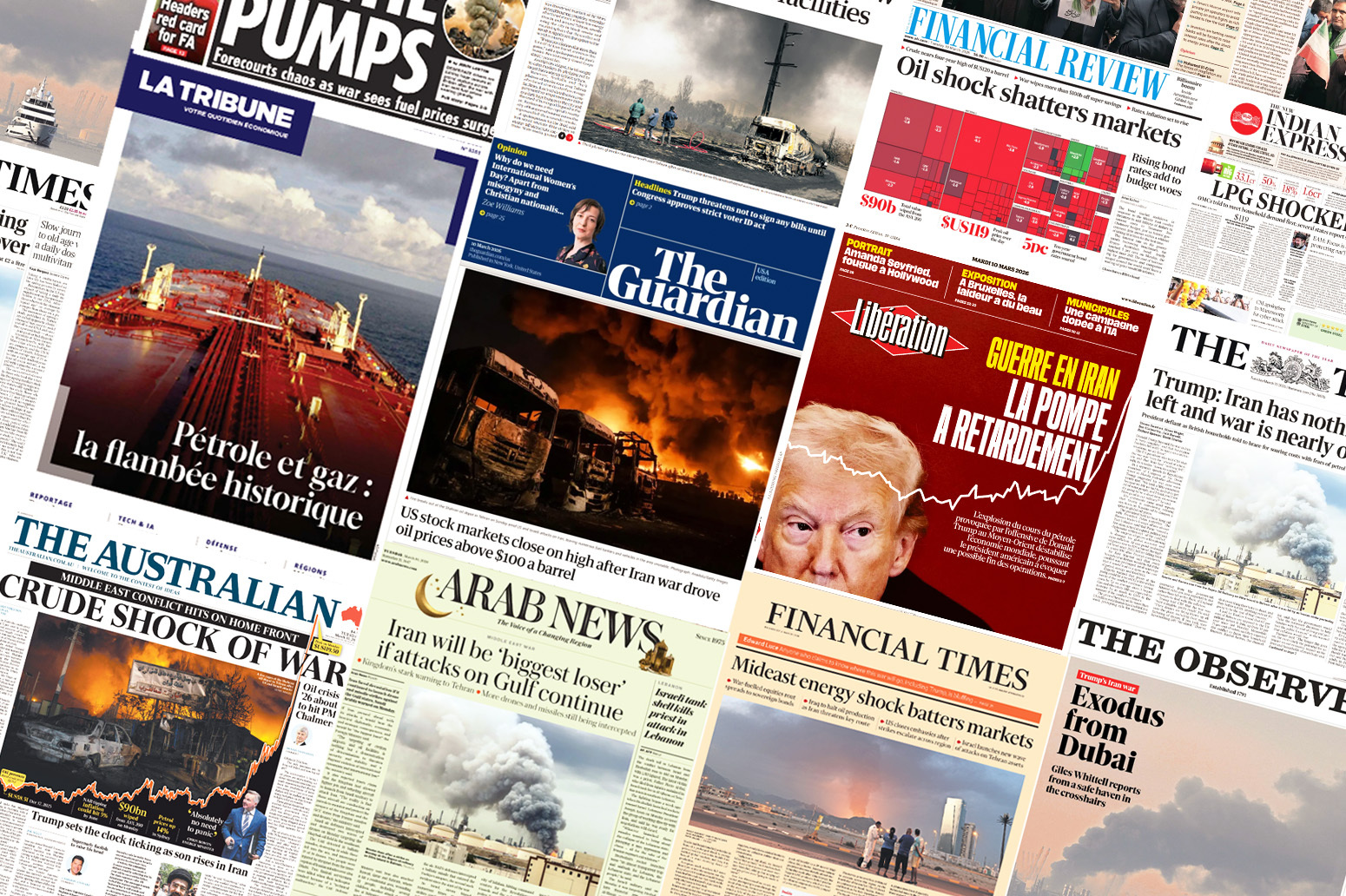
Why it matters: War‑driven energy spikes jeopardize climate goals and risk a fresh global energy crisis.
- UKMTO reports a virtual standstill in Strait of Hormuz traffic after Iran threatened vessels, cutting roughly 25% of global oil flow.
- Bloomberg notes that Saudi Arabia and the UAE can reroute via pipelines, but Kuwait, Qatar and Bahrain lack alternatives, forcing regional storage fills and production cuts.
- QatarEnergy’s Ras Laffan plant – supplying ~20% of world LNG – was hit by Iranian drones and will be offline for weeks, tightening global gas markets.
- US President Donald Trump dismisses the price surge as a “very small price to pay” for safety, while import‑dependent nations scramble emergency measures to shield consumers.
- Carbon Brief warns the price shock could stall climate‑friendly policies, as higher fossil‑fuel costs tempt governments to double‑down on oil and gas.
The US‑Israel strike on Iran has choked the Strait of Hormuz, spiking oil above $100 a barrel and halting key LNG output. With regional producers scrambling and storage filling, the shock threatens both short‑term energy security and the longer‑term push away from fossil fuels.