Anwar's Taiwan Stance Tests Malaysia's China-US Balance — SkimNews
Get the Geopolitics newsletter
Daily geopolitics — wars, elections, sanctions, the diplomatic moves that move markets. Free.
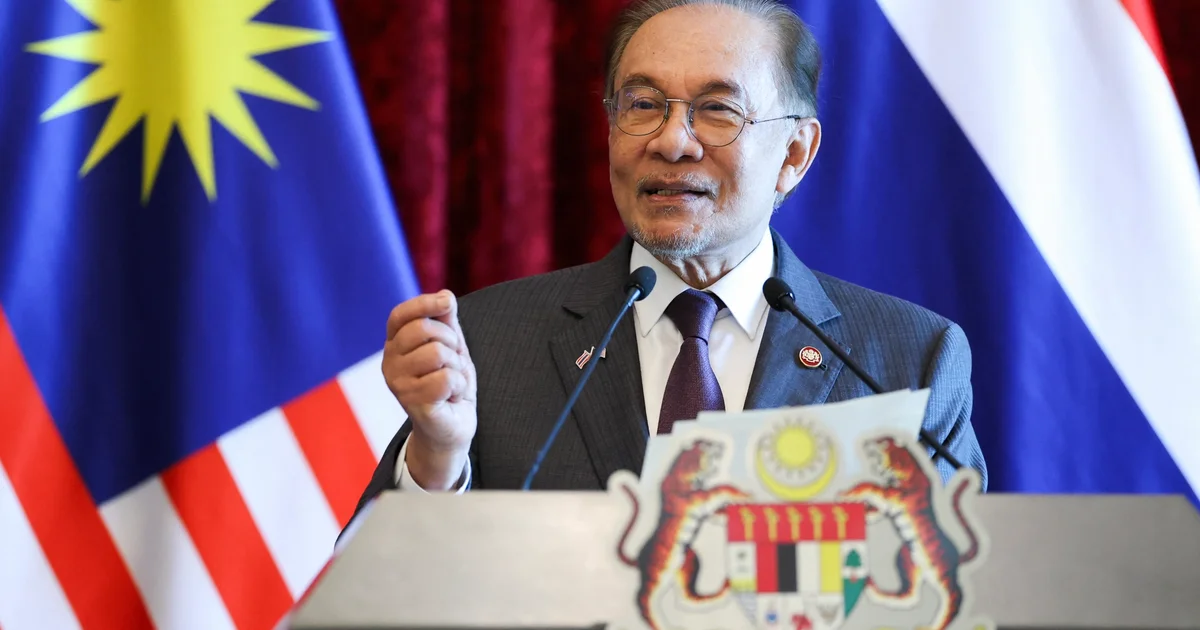
- Anwar Ibrahim said in an August 16 Al Jazeera interview that he sees Taiwan as part of China, and argued that if "one province decides to break away," force would be justified to protect "the sanctity and unity of the nation."
- Taiwan's Foreign Ministry accused Anwar of legitimizing force against the island and warned that his "one-sided support for China could negatively impact Taiwanese businesses' confidence in investing in Malaysia," particularly in semiconductors.
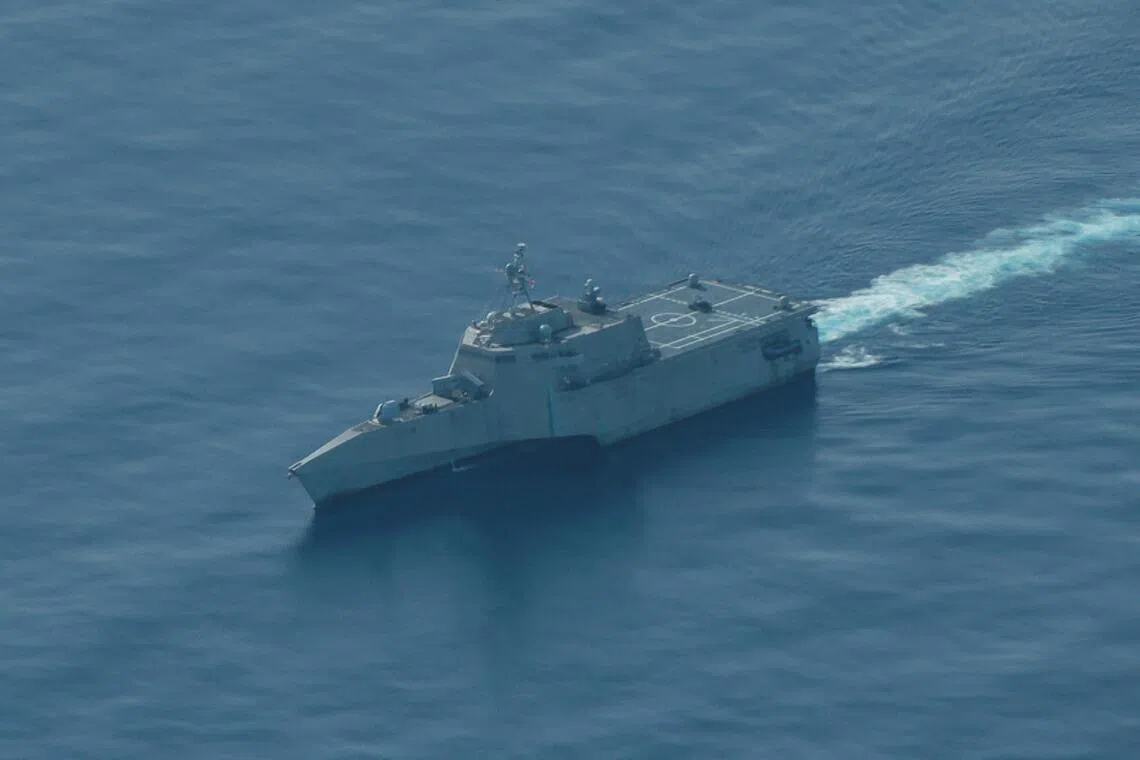
- Two days after the Taiwan comments aired, Anwar called for strengthening Malaysia's defenses in Sabah, citing US-backed military facilities on the Philippine island of Balabac — roughly 50 km from Malaysian islands and one of four sites added in 2023 to the Enhanced Defense Cooperation Agreement.
- Malaysian analysts argued the shift is rhetorical, not strategic — Ngeow Chow Bing of Universiti Malaya said Malaysia still maintains strong US and Western ties, while Chee Meng Tan of University of Nottingham Malaysia said the Sabah comments stem from a longstanding Manila-Kuala Lumpur territorial dispute over Sabah, not anti-US realignment.
- Anwar later told Malaysian media he wanted peaceful cross-strait resolution and that Malaysia's position had not changed, though Chinese state media Xinhua reported he "reaffirmed the one-China principle" — a characterization Malaysian analysts said isn't accurate.
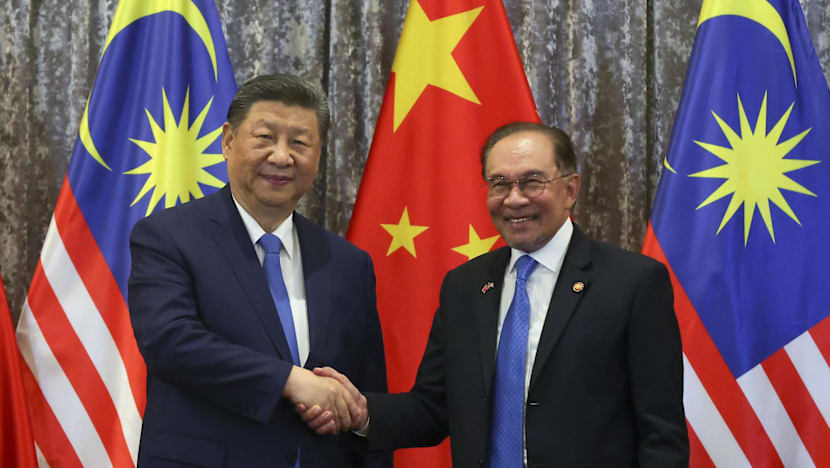
- Anwar is expected to visit China in late September for the Global Digital Trade Expo in Hangzhou and talks with Premier Li Qiang, even as Foreign Minister Mohamad Hasan reiterated in February that Malaysia rejects Chinese South China Sea claims overlapping its waters.
Why it matters: Malaysia's structural interests — hosting chip-testing facilities the US supply chain depends on, continued oil and gas exploration in waters Beijing claims, and refusal to recognize Chinese South China Sea boundaries — keep the hedging strategy alive even as Anwar's rhetoric tilts warmer toward Beijing. With Xinhua already claiming a 'one-China' reaffirmation Malaysian analysts say didn't happen, and Taipei publicly flagging semiconductor investment risk, the cost of rhetorical slippage is rising as the room for ambiguity narrows.
Ask SkimNews