Israel Election: Votes Don’t Decide Next PM — SkimNews

Get the Geopolitics newsletter
Daily geopolitics — wars, elections, sanctions, the diplomatic moves that move markets. Free.
- Israel holds a legislative election on Oct. 27 in which the vote count alone will not determine the next prime minister due to the country’s complex coalition-based system.
- Benjamin Netanyahu campaigns for re-election, framing the vote as a choice between his leadership continuing to 'change the face of the Middle East' or risking Israel 'losing everything'.
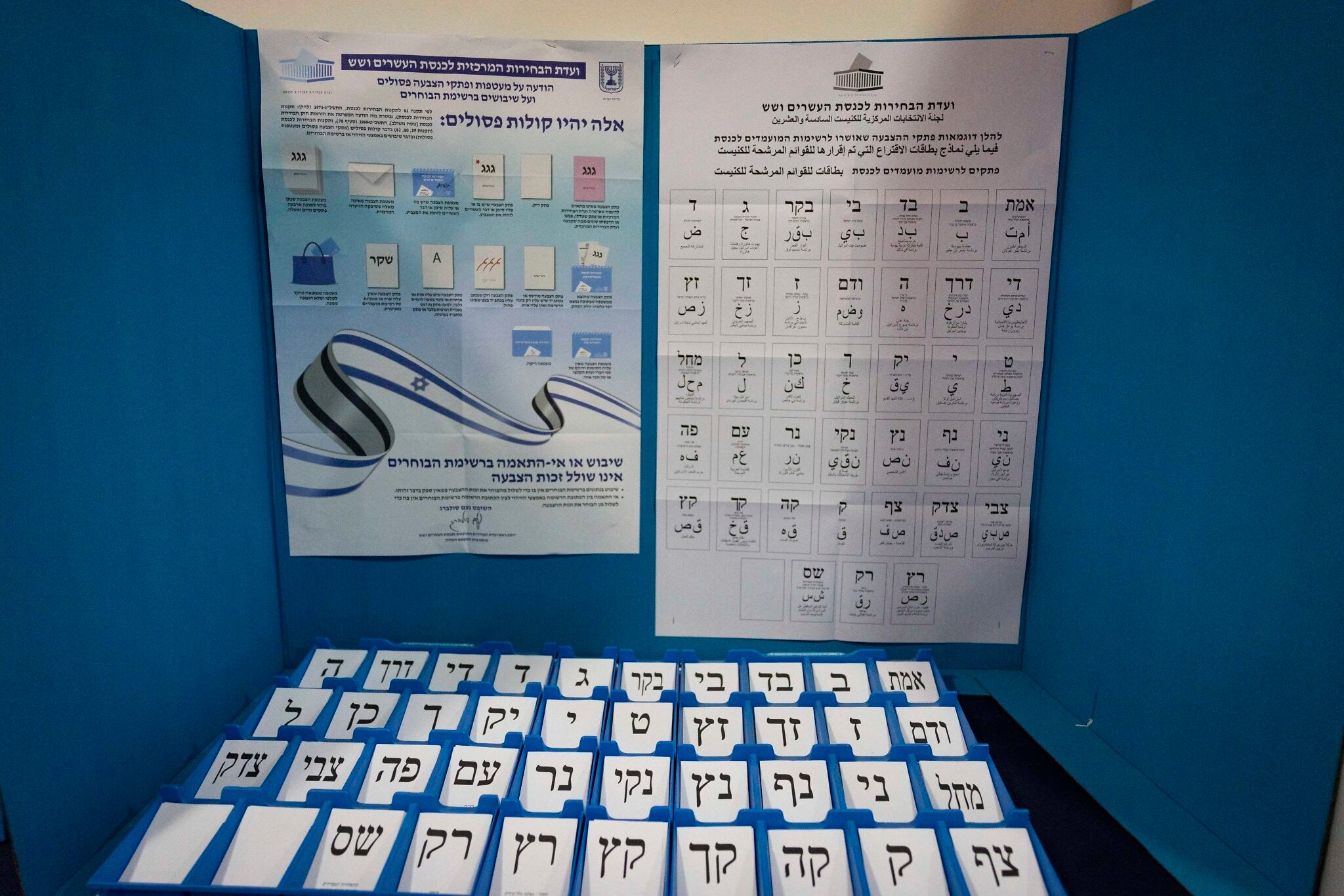
- 38 party slates are contesting the election, with the 3.25% electoral threshold threatening to discard votes for smaller lists that fall short, effectively silencing up to three potential lawmakers.
- Surplus vote agreements between allied parties allow transfer of leftover votes, giving some factions extra seats while isolated parties like Itamar Ben-Gvir’s Otzma Yehudit lose their surplus votes entirely.
- President Isaac Herzog will consult with parties post-election to decide who gets the mandate to form a government, a process likely to involve intense horse-trading among Knesset members.
- Gadi Eisenkot has proposed forming a minority government or a temporary alliance to oust Netanyahu before calling new elections, though both options face significant political hurdles.
- Shalom Lipner notes that past elections show the top vote-getter doesn’t always become prime minister, citing Tzipi Livni in 2009 and Naftali Bennett in 2021 as examples of procedural outcomes overriding popular results.
Why it matters: The Israeli electoral system gives disproportionate power to small parties and procedural rules, meaning a government could form despite being rejected by a majority of voters. This structural quirk risks deepening public disillusionment and prolonging political instability, with Netanyahu’s future hinging less on election night results than on backroom negotiations among 120 lawmakers.
Ask SkimNews