Weight-Loss Drugs Only Save Money for Top Earners — SkimNews
Get the Health newsletter
Daily health & science — research, biotech, public health, the studies worth knowing. Free.
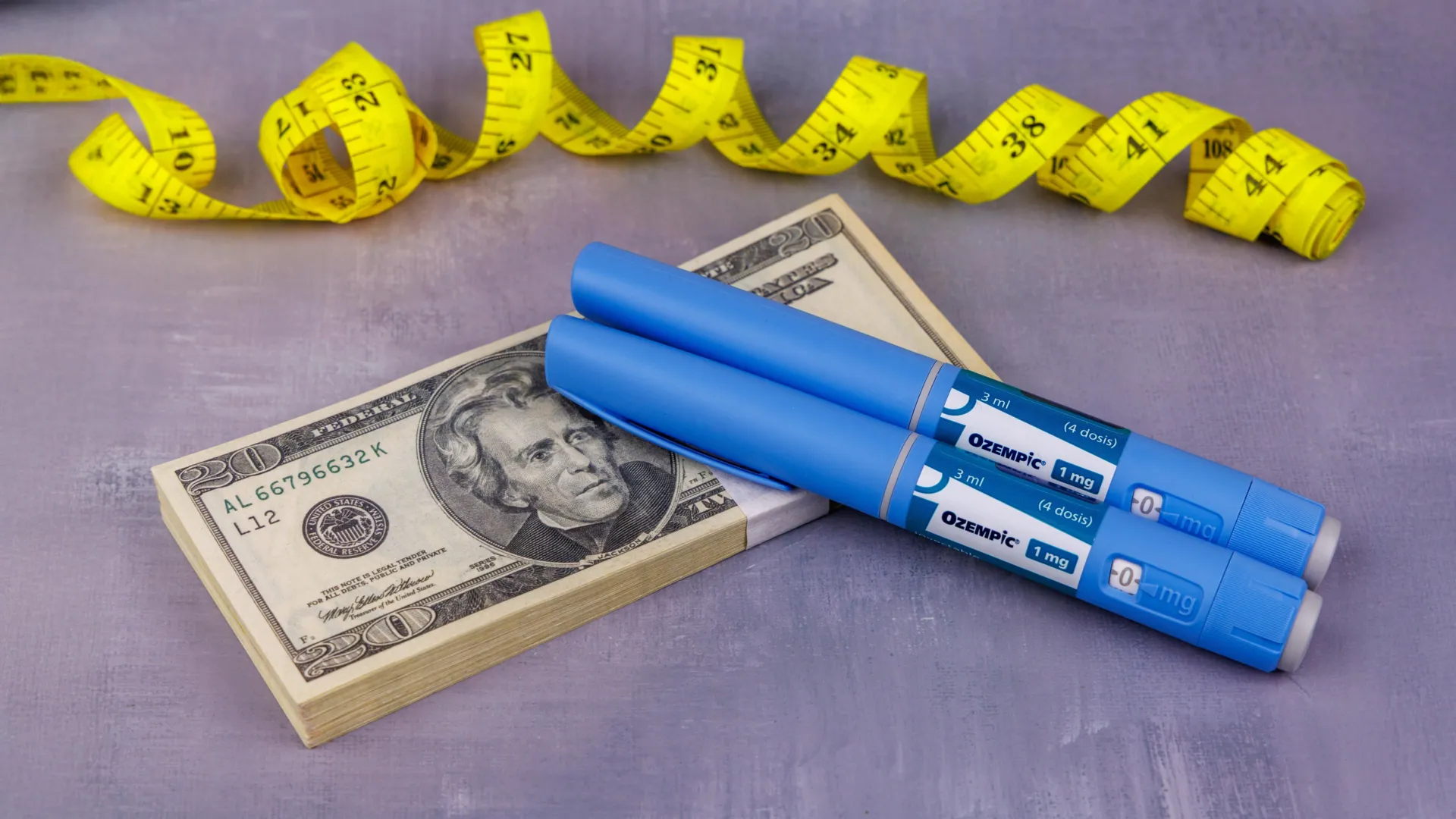
- Baringa Partners calculated that GLP-1 users need roughly £100,000 in discretionary income before savings on groceries exceed the £1,200 annual cost of the medication; a user with £39,000 in discretionary income saves only £481 a year on food.
- Paddy Winters, a partner at Baringa, called GLP-1s "a regressive tax on being thin," noting that users also spend more on vitamin supplements and personal care products like hair care to manage side effects.
- PwC estimated that 5% of British adults — nearly 3 million people — currently use weight-loss medication, a figure projected to rise to 13% by the end of next year; 60% of current users are women.
- Income distribution among users skews sharply toward the wealthy: just 6% of GLP-1 users come from households earning under £20,000, while 20% come from households earning above £100,000, according to PwC.
- The King's Fund reported 14.3 million adults in England live with obesity and warned the government must ensure the people who would benefit most from weight-loss medication are not priced out, lest affordability widen health inequalities.
- Dr Leyla Hannbeck of the Independent Pharmacies Association said NHS access remains "limited only to a small eligible cohort," with Mounjaro prices more than doubling in summer 2025 before a more competitive market — including the recent Wegovy pill launch — emerged.
Why it matters: Lower-income Britons, who have higher obesity rates, bear the largest relative cost of GLP-1s without recouping grocery savings, deepening the health inequalities the drugs could address. With NHS access still narrow and prices historically volatile, the Baringa finding turns a public-health tool into a wealth filter unless commissioning expands.
Ask SkimNews