GLP-1s Cost-Effective But Blow Past Insurer Budget Caps — SkimNews
Get the Health newsletter
Daily health & science — research, biotech, public health, the studies worth knowing. Free.
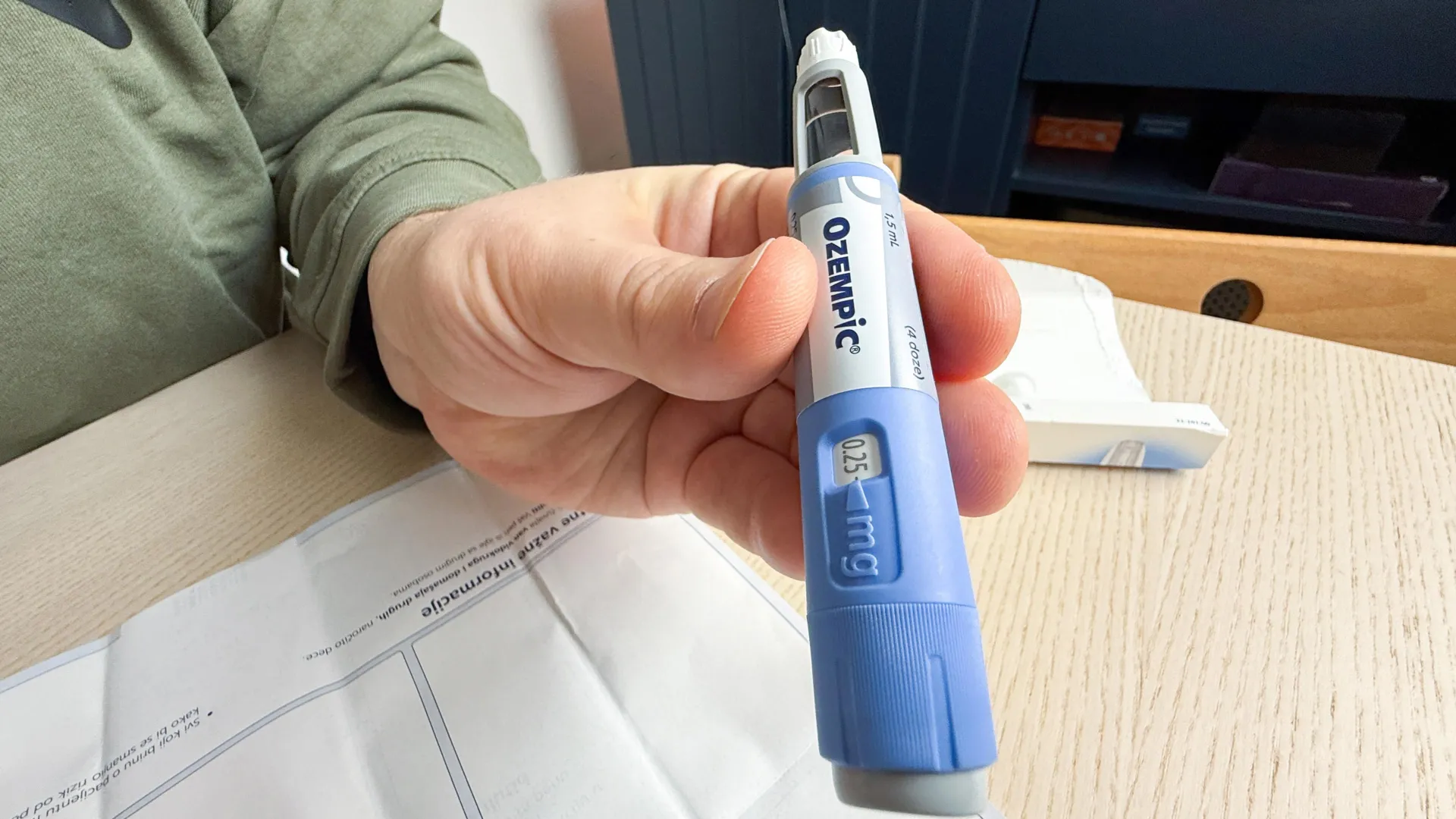
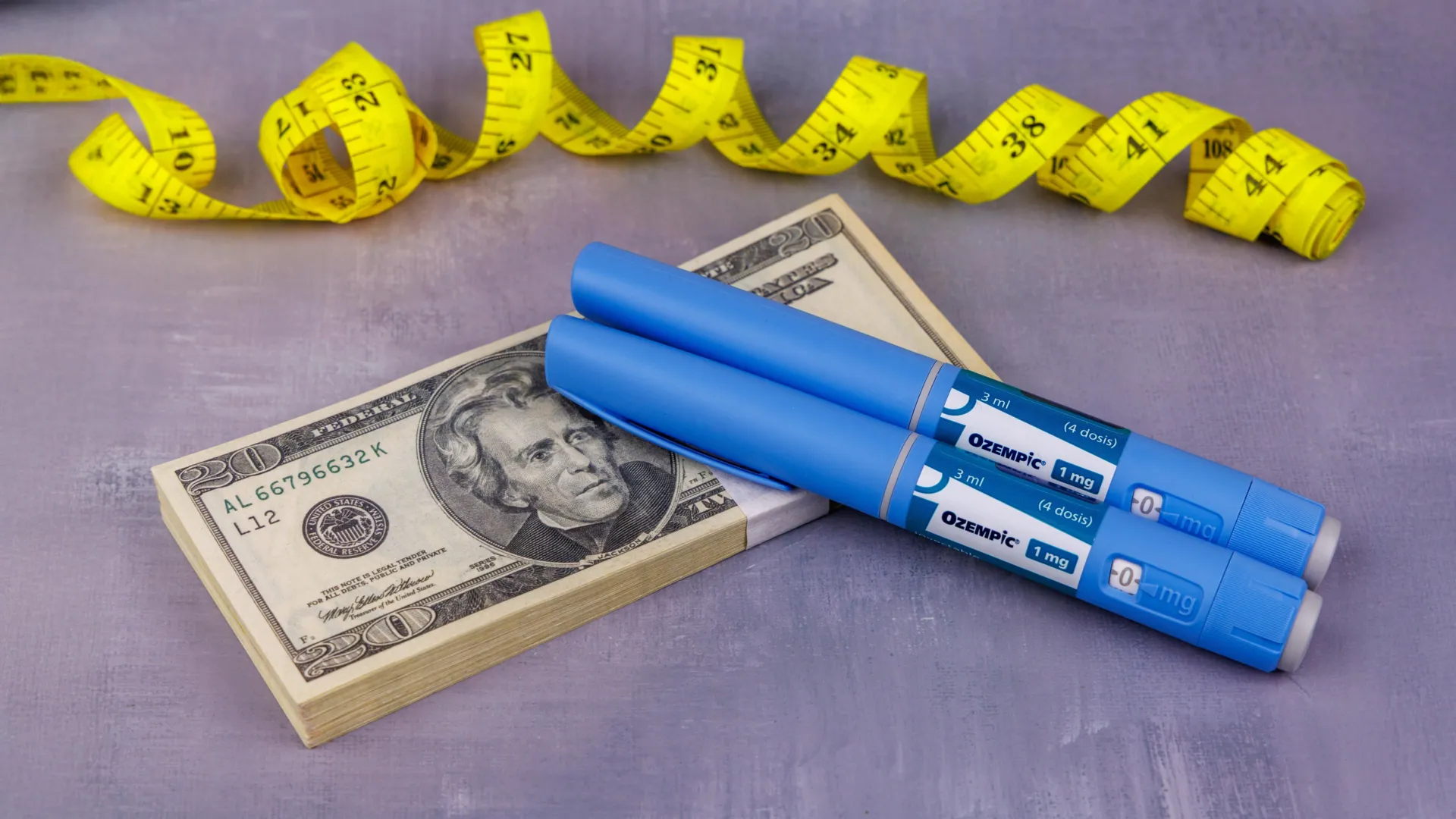
- ICER concluded in its latest assessment that GLP-1 drugs including Ozempic, Wegovy, and Zepbound are cost-effective — but the institute's $821 million annual budget impact threshold for 2026 is exceeded even at lower uptake levels, according to University of Mississippi researchers.
- With 40% of Americans living with obesity per the CDC, Sujith Ramachandran warned that even modest GLP-1 uptake could push insurer spending into the billions, regardless of per-patient value.
- Ramachandran and colleagues wrote in the Journal of Managed Care and Specialty Pharmacy that existing data do not yet show GLP-1s producing the downstream savings in cardiovascular, liver, and kidney conditions that supporters project.
- GLP-1 clinical trials compared the drugs as an add-on to lifestyle management — not against lifestyle changes alone — meaning patients may need dietitian access, gym memberships, and fitness coaching alongside the medication to sustain results.
- The FDA has issued warning letters about compounded GLP-1s after finding websites selling unapproved or incorrect ingredients, a risk that rises as legitimate coverage tightens, according to doctoral candidate Liang-Yuan Lin.
- GLP-1 insurance coverage is expanding for specific conditions like sleep apnea, diabetes, and very high BMI while becoming more restrictive elsewhere, a split that researchers warn could push more patients toward dangerous compounded products.
Why it matters: Insurers face a hard tradeoff: GLP-1s deliver strong value per dollar, but covering even a fraction of the 40% of Americans with obesity would blow past ICER's $821 million budget threshold. Without longer coverage windows and the lifestyle support used in trials, patients cycle off the drugs and regain weight — and cheaper compounded alternatives already carry FDA-warned safety risks.
Ask SkimNews