Gray whales' numbers halve as Arctic warming cuts prey — SkimNews
Get the Energy newsletter
Daily energy & climate — solar, EVs, oil, the policy fights and tech bets shaping the transition. Free.
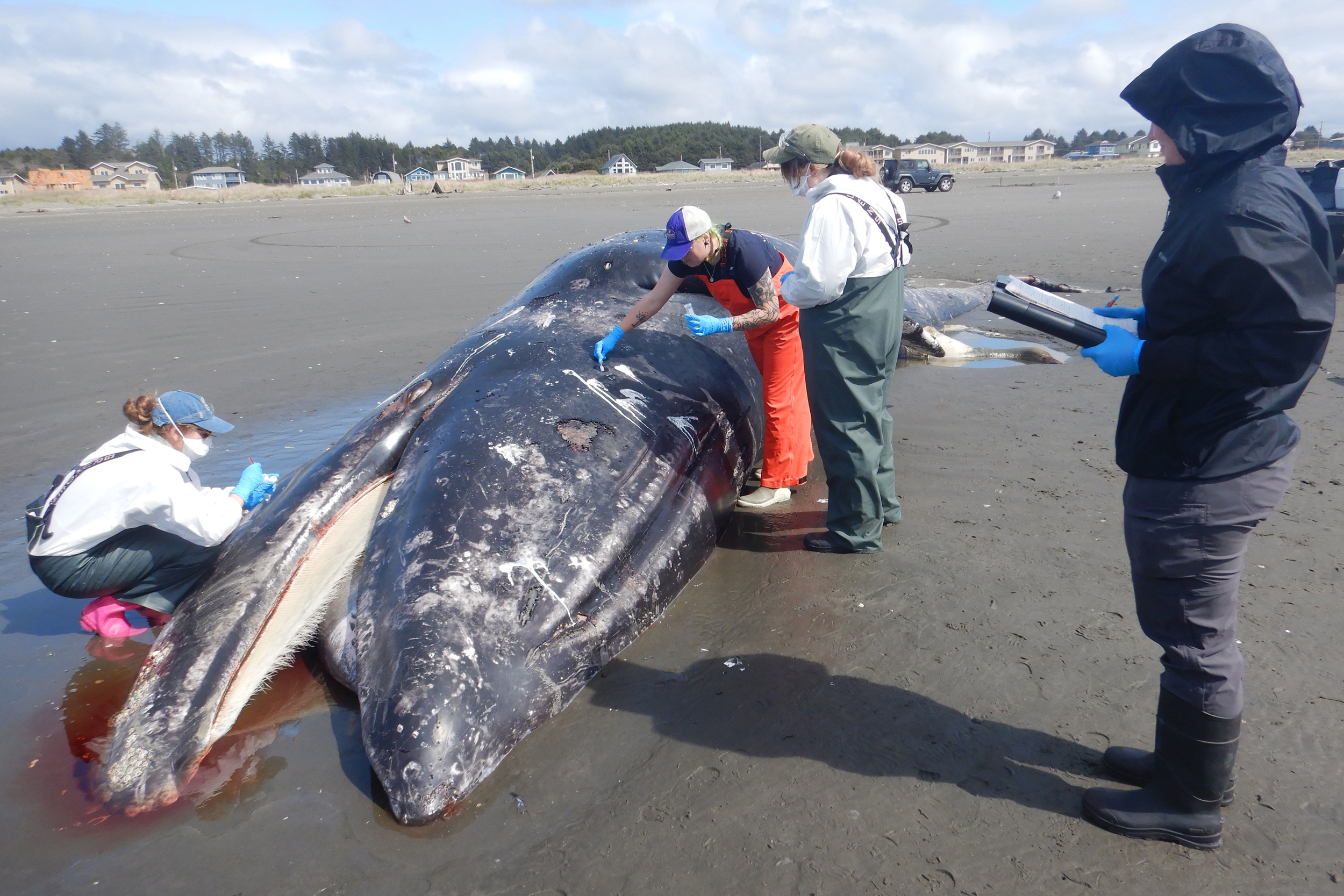
- Gray whales: Twenty‑three carcasses have been found this spring along Washington’s coast, many showing blunt‑force trauma from boat collisions.
- Population: The eastern North Pacific gray‑whale stock fell from roughly 27,000 in 2016 to about 13,000 last year, a roughly 50 % decline.
- Calf births: NOAA counts show calf births dropped from about 1,600 to just 85, a 95 % reduction.
- Prey: Warming Arctic waters have thinned the fat reserves of the shrimp‑like crustaceans gray whales rely on, as earlier sea‑ice melt curtails under‑ice algae that feed those prey.
- NOAA: Staff cuts ordered by the Trump administration have left NOAA Fisheries scientists reluctant to discuss the collapse publicly, fearing the need to cite climate‑change impacts.
- Scientists: Researchers say malnutrition hampers whales’ navigation, increasing ship strikes, net entanglements, and prompting some to linger in Puget Sound instead of migrating south.
Why it matters: The collapse of the eastern North Pacific gray‑whale stock threatens a keystone marine predator, eroding ecosystem balance and depriving coastal communities of a vital species, while political interference at NOAA hampers transparent reporting and climate‑action responses, undermining future scientific monitoring.
Ask SkimNews