Surgeons Repair Baby's Gastroschisis Inside the Womb — SkimNews
Get the Health newsletter
Daily health & science — research, biotech, public health, the studies worth knowing. Free.
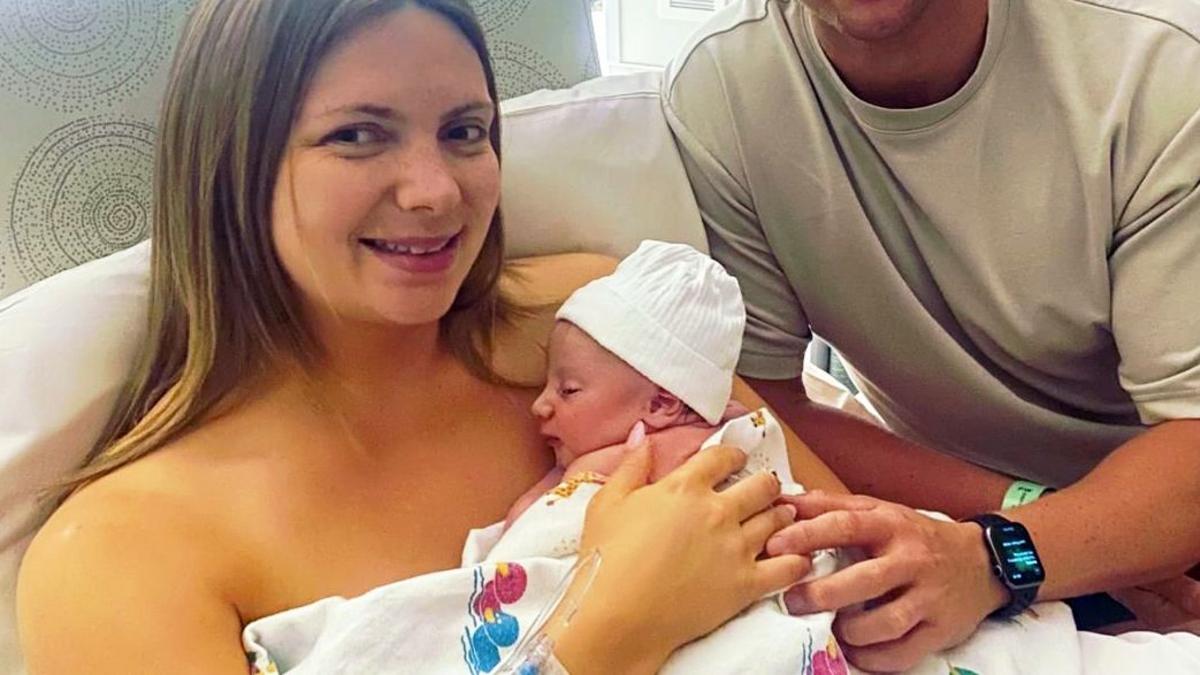
- Maisie Savage was referred to Texas Children's Hospital at 24 weeks after scans revealed her unborn son Theo had complex gastroschisis, where the intestines grow outside the belly, affecting one in 3,000 UK babies annually.
- Dr Michael Belfort led the November operation at 26 weeks, partially exposing Savage's womb, draining amniotic fluid and replacing it with CO2 gas before using keyhole surgery to push Theo's organs back inside and stitch the abdomen closed.
- Specialists at Leuven Hospital in Belgium first administered a Botox injection through Savage's womb into Theo's abdominal wall to relax the muscles and make the repair easier.
- Baby Theo, now five months old, was carried to term and born by vaginal delivery in Texas in February — a complete success with zero complications during or after the fetal surgery.
- Complex gastroschisis normally requires up to six months in neonatal intensive care, multiple surgeries, IV nutritional feeding for up to two years, a possible intestinal transplant, and carries a one-in-ten mortality rate even with top care.
- Professor Paolo de Coppi at Great Ormond Street Hospital would perform the procedure in the UK if the trial succeeds, with Belfort calling the Texas–GOSH partnership 'a formidable team.'
- Belfort, who previously pioneered in-womb spina bifida repair, said the uterus is 'now a new surgical space for innovation' and is exploring in-utero cardiac and lung surgeries.
Why it matters: Complex gastroschisis currently forces babies into months of NICU stays, multiple surgeries, up to two years of IV feeding, and carries a one-in-ten death rate. A validated in-womb repair would spare future UK families that trauma — and the Texas–GOSH partnership aims to bring it to British patients at scale.
Ask SkimNews