Malaysia Pressed to End Rohingya Hate, Confront Myanmar

Get the Geopolitics newsletter
Daily geopolitics — wars, elections, sanctions, the diplomatic moves that move markets. Free.
- A Change.org petition calling for removal of Rohingya from Malaysia gathered more than 400,000 signatures last month, part of what the source describes as a widening hate campaign fed by fabricated crime allegations and misinformation.
- Only 89 Rohingya have been convicted for criminal offences in Malaysia since 2024, making up 0.02 percent of all criminal cases—yet the Deputy Inspector-General of Police has labeled the Rohingya presence a "cancer" (barah), and some elected officials have called for expulsion in contravention of the non-refoulement principle.
- A Fortify Rights investigation found refugees in Malaysia detained without meaningful access to legal representation, fair judicial review, or any realistic prospect of release, with detainees subjected to inadequate healthcare, lack of clean water, and squalid conditions; some have been forcibly repatriated to Myanmar or Bangladesh.
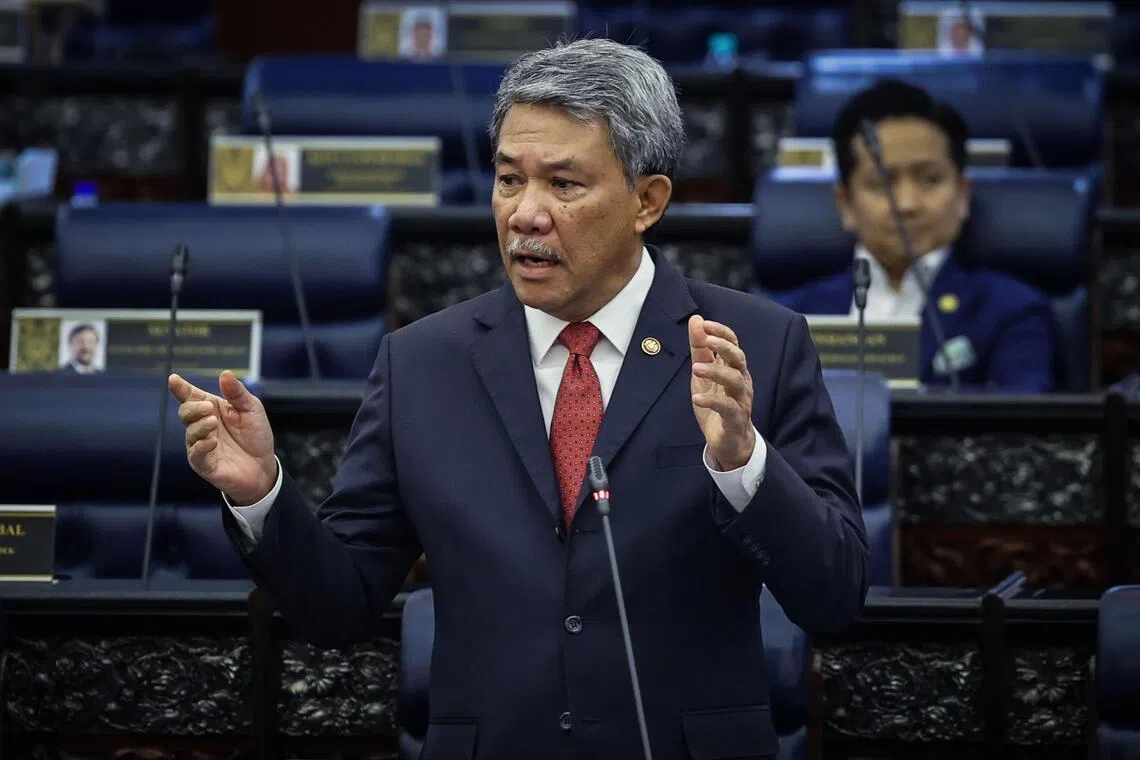
- Home Minister Saifuddin Nasution Ismail said on June 8 that "we cannot avoid managing this issue" and called for it to be handled "wisely and humanely, while safeguarding the country's security, the people's interests, and our international standing"—the closest senior government voice to a humane approach cited in the piece.
- The International Court of Justice is expected to issue its final judgment later this year in The Gambia v. Myanmar case alleging Myanmar violated the Genocide Convention, a moment the source argues creates urgent pressure for Malaysian and ASEAN action.
- Myanmar's 1982 Citizenship Law under former ruler Ne Win stripped Rohingya of citizenship and imposed severe restrictions on movement, education, employment, marriage, and public services—a policy the source says remains in place and helped drive the 2016–2017 flight of roughly 700,000 Rohingya to Bangladesh.
- The source calls on Malaysia to accelerate refugee registration through the newly established Dokumen Pendaftaran Pelarian program while ensuring it strengthens protection rather than facilitating misuse of personal data, detention, or forced returns.
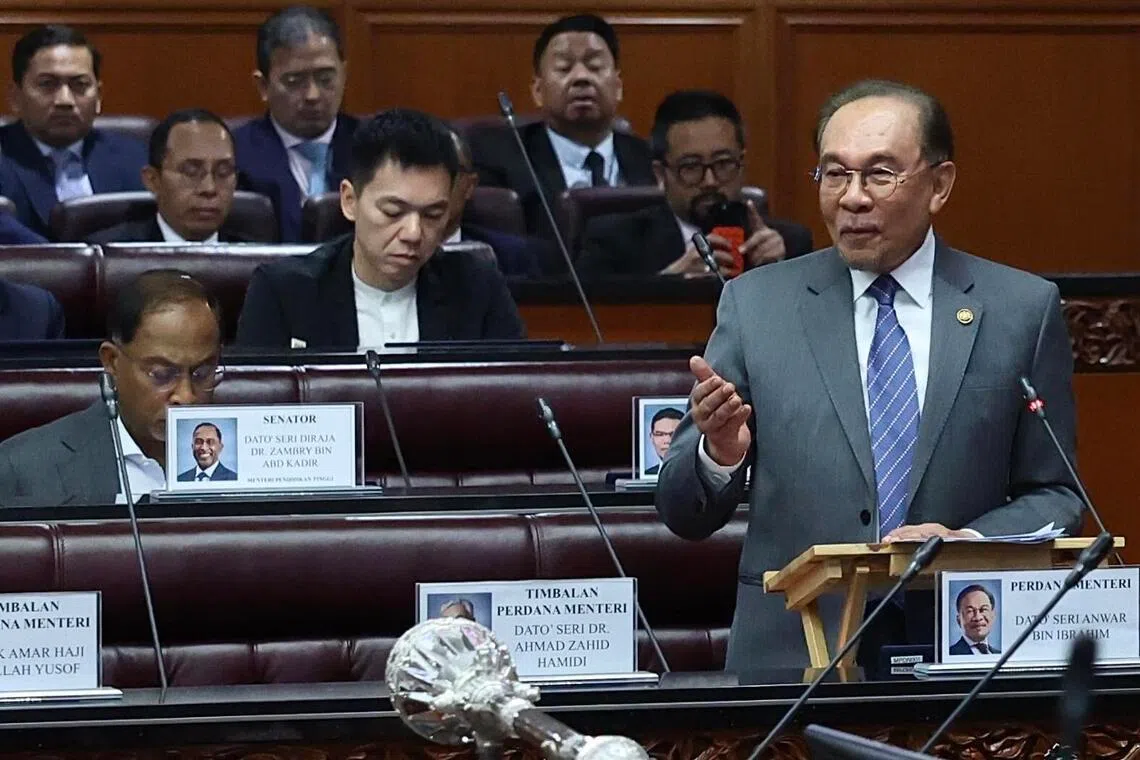
Why it matters: The ICJ's expected genocide ruling against Myanmar creates a diplomatic opening for Malaysia to abandon non-interference and press for restored Rohingya citizenship. But with senior officials calling Rohingya a "cancer" and 400,000 citizens signing an expulsion petition, PM Anwar's continued silence risks both legal exposure under non-refoulement and Malaysia's self-styled reputation as a defender of persecuted Muslims.