UK Wildfires Destroy Bird Habitats at RSPB Reserves — SkimNews

Get the Energy newsletter
Daily energy & climate — solar, EVs, oil, the policy fights and tech bets shaping the transition. Free.
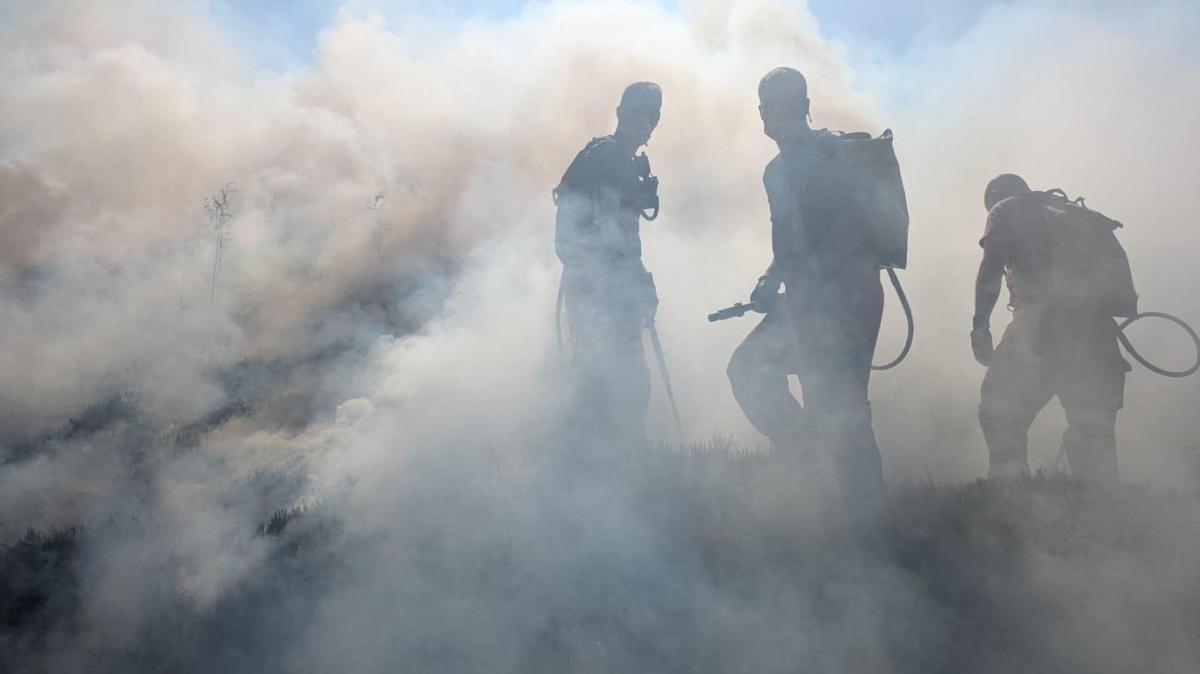
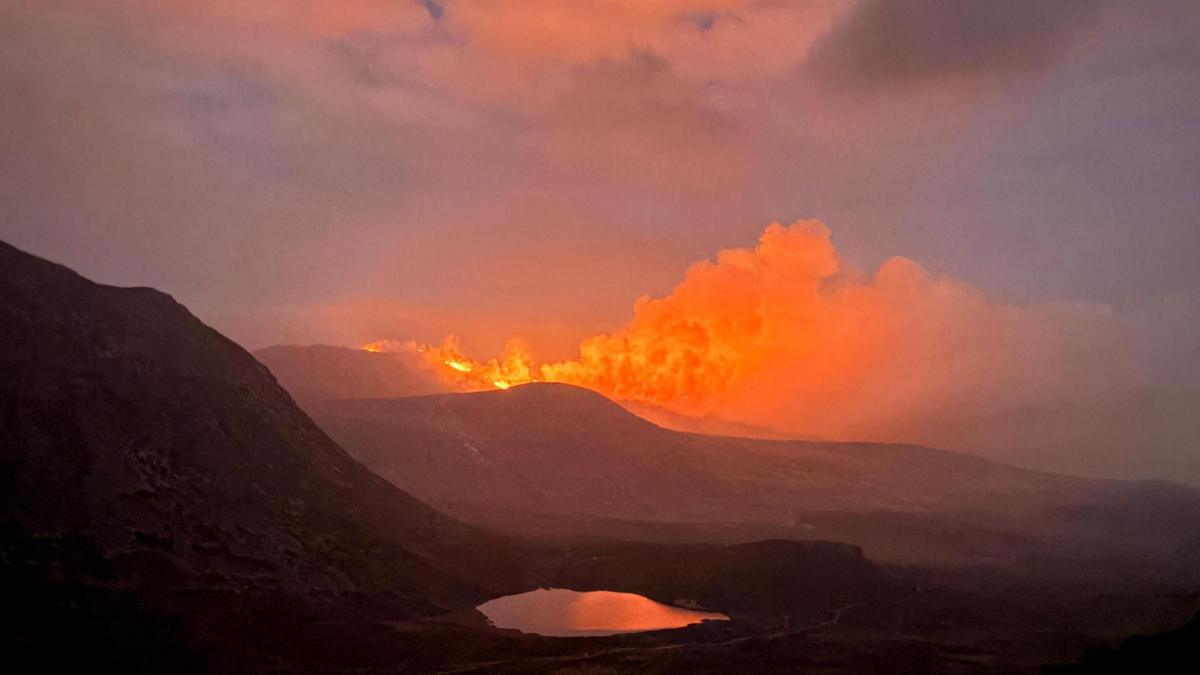
- RSPB's Abernethy reserve in the Cairngorms was devastated by a mid-July wildfire, threatening declining species including black grouse, capercaillie, Scottish crossbill, and crested tit; residents of Nethy Bridge were briefly evacuated.
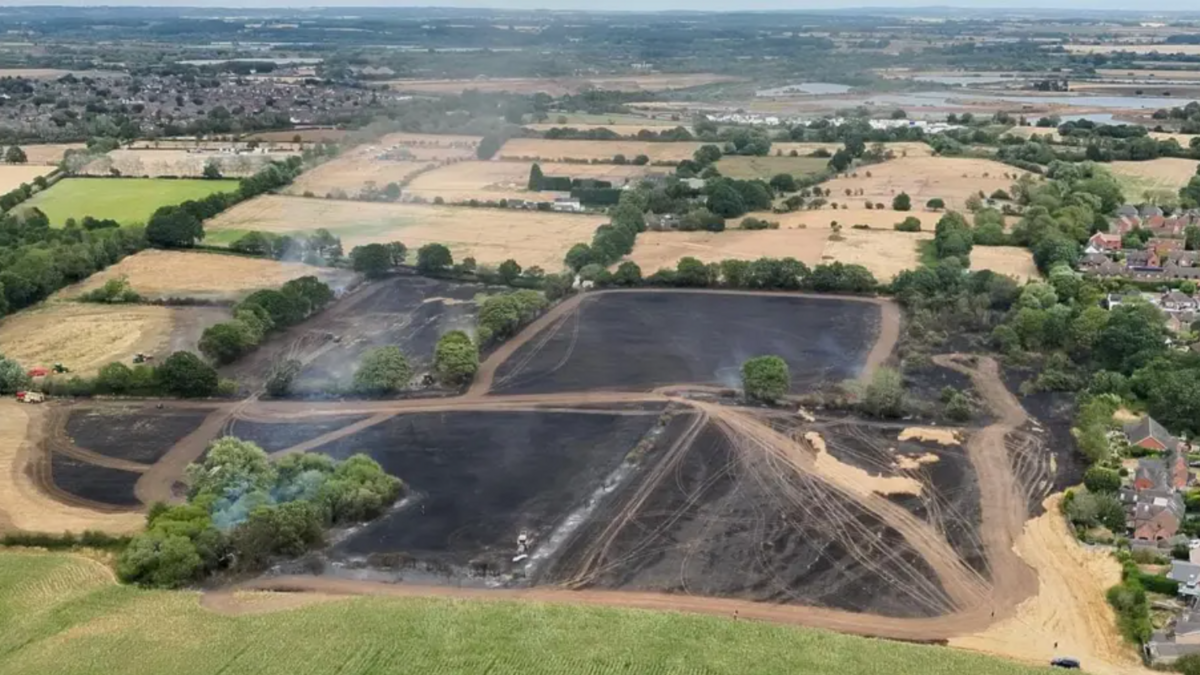
- A late July wildfire at Dunwich Heath, on the edge of RSPB's Minsmere reserve in east Suffolk, destroyed much of the lowland heath — one of Britain's most globally important habitats.
- Woodlark, Dartford warbler, and nightjar may not return to the Dunwich Heath area for many years, according to the source.
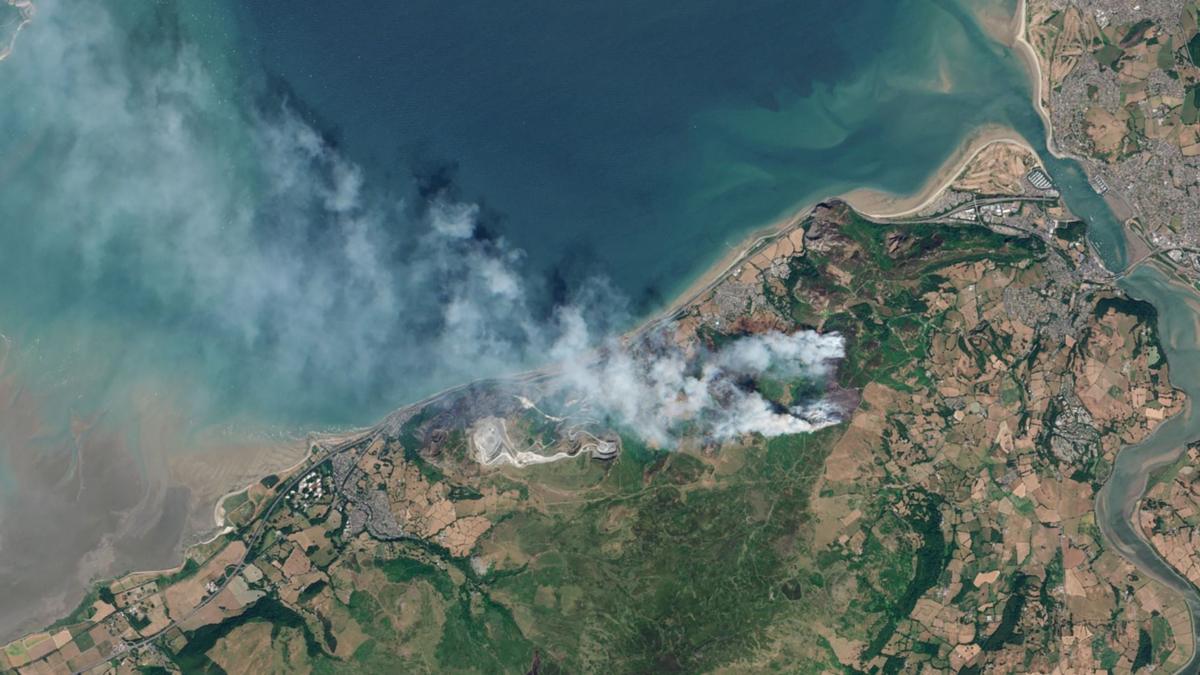
- An early August wildfire also destroyed part of the New Forest, where the same three heathland species breed.
- Lowland heath is especially vulnerable to wildfires because the habitat is concentrated in the warmest and driest parts of southern and eastern England, the article notes.
- The article attributes the habitat destruction directly to the hot, dry summer, itself a result of 'a rapidly heating world.'
Why it matters: Three fires at flagship RSPB reserves have eliminated habitat for UK species already in steep decline — capercaillie, black grouse, and Dartford warbler — with the article warning these birds may not return for many years. Because lowland heath sits in the country's warmest, driest zones, climate-driven summers turn what were once rare events into recurring threats to some of Britain's most specialized wildlife.
Ask SkimNews