30-Year Yield Rise Is Real Yields, Not Inflation — SkimNews
Get the Finance newsletter
Daily finance — markets, central banks, M&A, the prints that move money. Free.
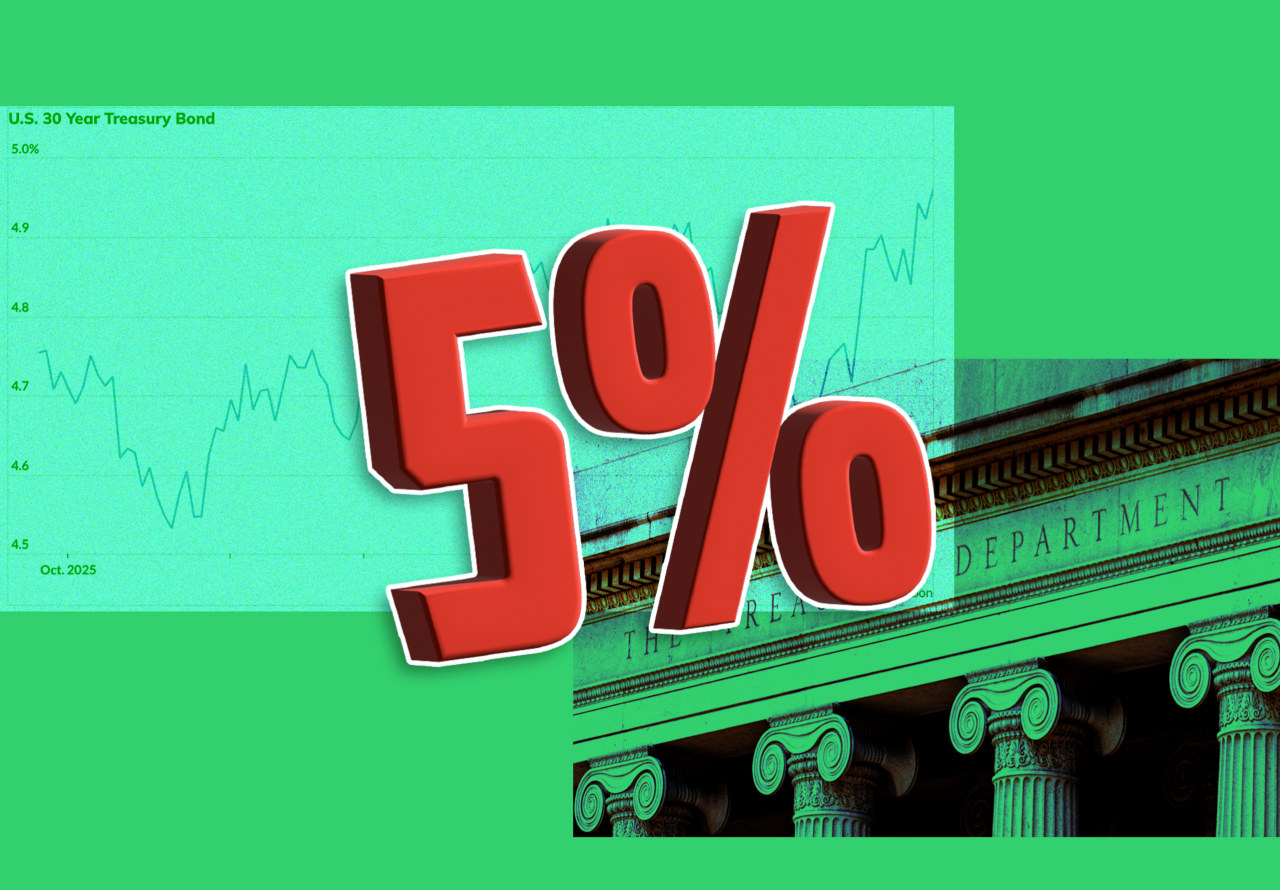
- 30-year Treasury yield jumped roughly 10 basis points from its Friday low during Fed Chairman Kevin Warsh's Jackson Hole speech, with about half of that move coming on Monday, pushing the yield back toward 5.27%
- Real yields account for nearly all of the post-Jackson Hole rise in the 30-year Treasury, while long-term inflation expectations barely moved and actually fell slightly
- Kevin Warsh spent much of his Friday speech warning that price pressures remain too high, though bond market pricing does not reflect that concern
- Scott Bessent doubled Treasury bond buybacks in late July after the 30-year yield approached 5.27%, rattling markets, and told Reuters on Sunday, 'I don't think I can change the equilibrium price'
- Warsh also said at Jackson Hole he 'would be hard-pressed to describe broad financial conditions as restrictive,' a backdrop that higher long-term borrowing costs could begin to change
- Oil prices jumped over the weekend amid fresh Middle East tensions, adding to inflation pressure fears even as bond-derived inflation expectations stayed flat
- 5.3% on the 30-year is the next big technical test; a sustained break above would push borrowing costs back into the zone that triggered Bessent's buyback intervention
Why it matters: If the 30-year yield breaks above 5.3%, it re-enters the zone that forced Treasury Secretary Bessent into doubled bond buybacks in late July — meaning his intervention playbook could be tested again. Investors demanding higher real returns (not chasing inflation fears) signals skepticism about Warsh's inflation narrative and adds a fresh headwind for equity multiples already contending with elevated borrowing costs.
Ask SkimNews