Oil Jumps as Iran Claims It Blocked Ships in Hormuz — SkimNews

Get the Geopolitics newsletter
Daily geopolitics — wars, elections, sanctions, the diplomatic moves that move markets. Free.
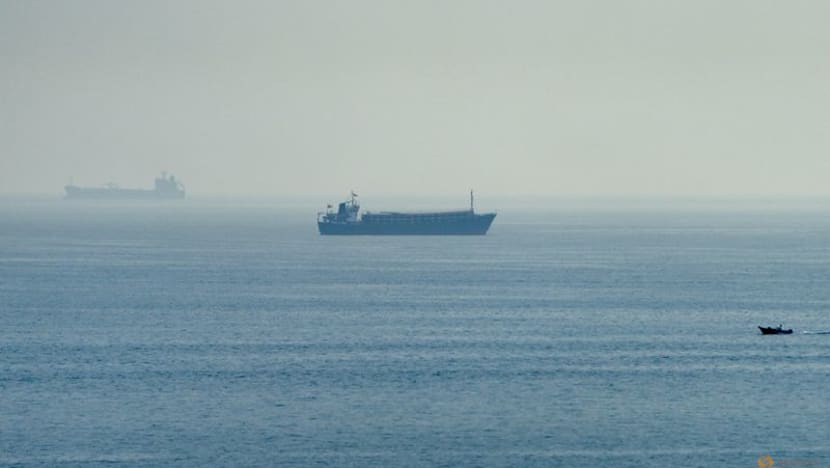
- Oil prices rose more than 1% on Friday after Iran's Revolutionary Guards said they stopped two vessels seeking to exit the Strait of Hormuz and turned back four other tankers, though the reports could not be independently confirmed; shipping data showed two large oil-laden tankers and two commodities vessels did transit the strait.
- Iran's Persian Gulf Strait Authority said crossings remained impossible due to "continued aggressive actions by U.S. military forces," even as foreign ministry spokesperson Esmaeil Baghaei told ILNA news agency talks with Oman over the strait were continuing despite Iran's public rejection of an Omani-backed Gulf-state plan for voluntary transit fees.
- Iran-aligned Houthis declared a maritime embargo against Saudi Arabia on July 20 and began threatening the Bab el-Mandeb strait, prompting London's marine insurance market on Thursday to widen its "high risk" Red Sea zone to include more coastline adjacent to Saudi ports.
- Saudi Arabia unveiled plans for a multinational maritime defence coalition to protect Red Sea shipping and energy routes, as a growing volume of Saudi oil diverts north via the Suez Canal and SUMED pipeline — a longer route to Asian customers that bypasses the Gulf of Aden.
- Iran denied involvement in an unidentified drone strike that caused a fire on two vessels at Egypt's Mediterranean port of Damietta; Foreign Minister Abbas Araqchi wrote on social media warning of "Israeli plots and false-flag operations designed to undermine regional peace."
- Iran's army said it targeted U.S. military facilities in Kuwait and Bahrain on Friday in retaliation for attacks near Qeshm Island; Kuwait's military said it destroyed the attacking drones with no casualties, and there was no immediate comment from Bahrain.
- Brent crude futures were on track to rise 23% in July, with Reuters-polled economists and analysts expecting prices to climb further this year amid persistent Middle East supply disruptions.
Why it matters: Brent crude's 23% July surge captures a five-month Iran war now squeezing three separate oil-export corridors simultaneously — the Strait of Hormuz, Bab el-Mandeb, and Egypt's Mediterranean — forcing Saudi crude into longer Africa-circumnavigation voyages for Asian customers and pushing London's insurers to redraw Red Sea risk maps. Saudi Arabia's proposed multinational maritime coalition signals Riyadh is hedging against a sustained blockade scenario rather than relying solely on U.S. protection.
Ask SkimNews