US Pauses Taiwan Arms, Pulls THAAD From South Korea

Get the Geopolitics newsletter
Daily geopolitics — wars, elections, sanctions, the diplomatic moves that move markets. Free.
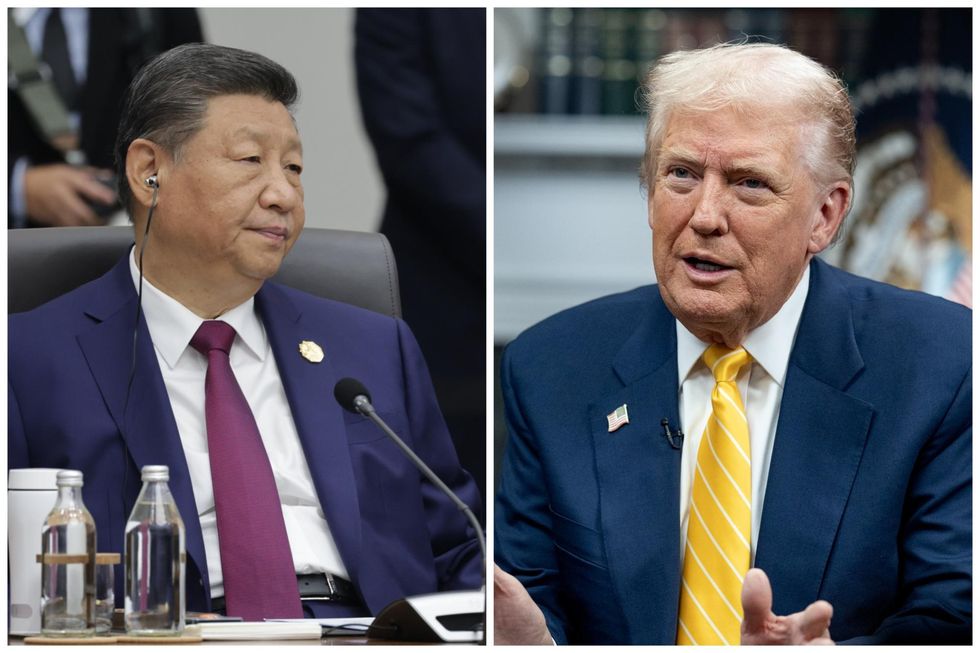
- Xi Jinping argued against the inevitability of the 'Thucydides trap' at the May 14, 2026 Beijing summit, while Trump endorsed 'constructive strategic stability' and deflected talk of US decline by attributing it to his predecessor, according to the summit fact sheet.
- The summit produced no structural agreements; the concrete deals included Xi authorizing limited rare earth supply, China committing to buy 200 Boeing aircraft plus soybeans, beef, and pork, and the US pausing a major Taiwan arms sale — one Trump publicly described as a 'negotiating chip,' to Taiwanese dismay.
- Operation Epic Fury, launched February 28 against Iran, depleted US 'Exquisite Class' weapons including PAC-3 and THAAD systems, forcing THAAD components to be relocated from South Korea to the Middle East and shifting the US posture against Iran from offensive to defensive.
- South Korea has declined US requests to join Strait of Hormuz maritime operations, is fast-tracking nuclear-powered submarines, and now sees majority public support for an indigenous nuclear deterrent, according to the article.
- The summit fact sheet assigns China primary responsibility for managing the North Korean nuclear threat while reducing the US role, and the Pentagon has canceled the Constellation-class frigate program while considering South Korean help designing the next-generation FF(X).
- The South Korean military's Rodriguez Live Fire Complex in Pocheon is now the only US-allied site in the Indo-Pacific capable of division-level combined-arms maneuvers, a capability the US has come to value as it absorbs Iran-war losses.
Why it matters: The summit's real content — a paused Taiwan arms sale and THAAD components diverted from South Korea to the Iran war — shows the US trading Indo-Pacific alliance credibility for politically essential agricultural and aerospace wins at home. South Korea is already hedging with nuclear submarine development and Strait of Hormuz refusals, meaning the US-led Asian security architecture is being hollowed out from within, not by Beijing.
Ask SkimNews