Why bond investors are pushing up some of your interest rates

Get the Finance newsletter
Daily finance — markets, central banks, M&A, the prints that move money. Free.
- 10-year Treasury yield reached about 4.7% at Thursday's market close, its highest level since January 2025, according to the source.
- 30-year fixed mortgage rates climbed to roughly 6.6%—the highest since August 2025—with 15-year fixed rates hitting about 6%, their highest since June 2025, per Freddie Mac weekly data.
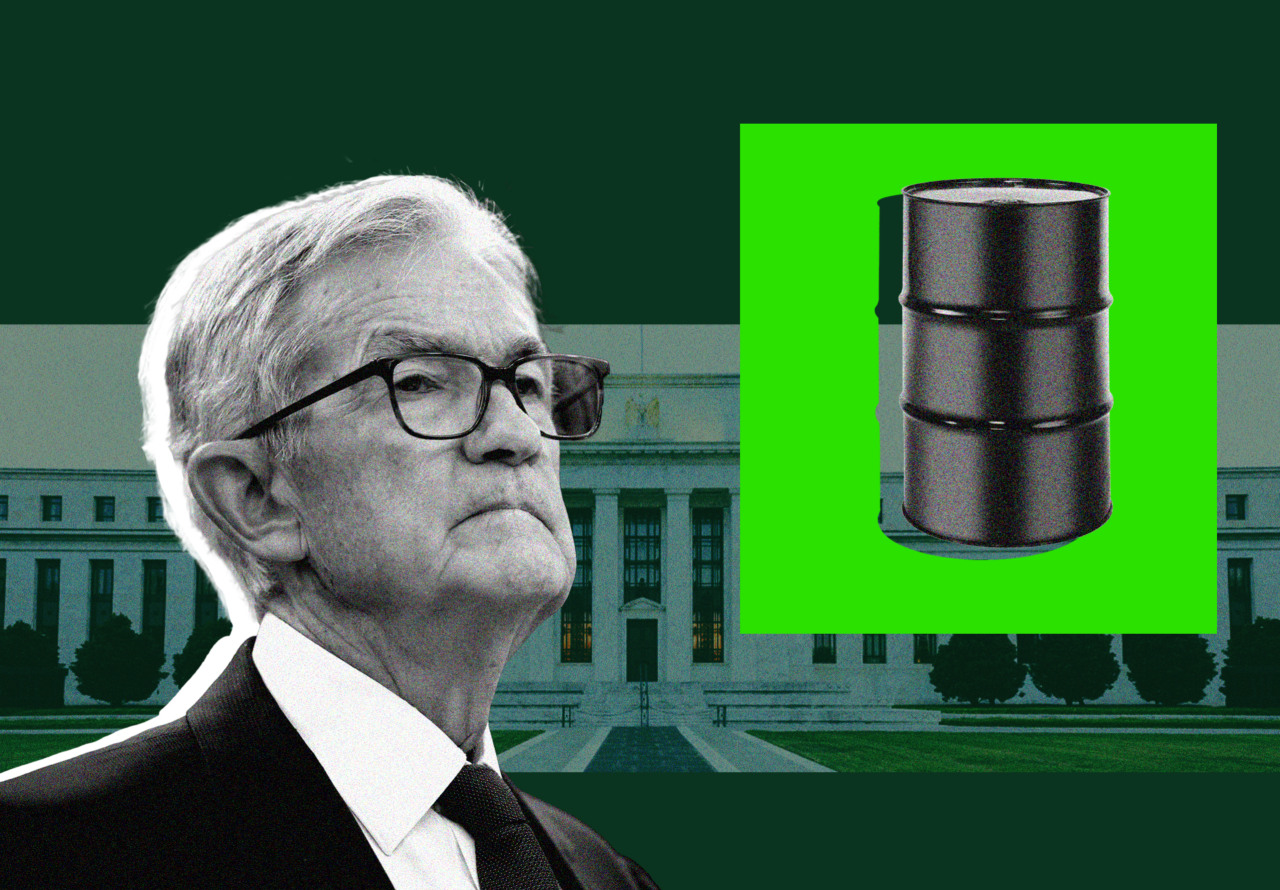
- Bond investors, not the Fed, drive longer-term yields through their expectations for future inflation and the trajectory of Fed policy, with investors demanding higher yields to compensate for inflation risk.
- Average gasoline prices topped $4 a gallon this week amid renewed tensions in the Iran war, and the Trump administration imposed new tariffs on dozens of countries on Friday—both factors feeding inflation anxieties, per economists.
- Capital Economics expects the Fed to raise interest rates three times this year based on a broader view that inflation "looks hot," according to its North America economist Thomas Ryan.
- Mortgage rates are more than double pandemic-era levels and could move above 7%, deepening the "lock-in effect" in the housing market where owners feel trapped and buyers are priced out, said CFP Chad NeSmith of Tobias Financial Advisors.
- U.S. inflation has remained above the Fed's target for more than five years, and the financial cushion from high spring tax refunds has waned, economists told the source.
Why it matters: For households already squeezed by 30-year mortgage rates above 6.6%—more than double pandemic lows—and gasoline back over $4 a gallon, the 4.7% 10-year yield signals bond investors see no near-term inflation relief, with Capital Economics now projecting three Fed rate hikes this year rather than cuts.