Iran Threatens South Korea Over US Hormuz Blockade — SkimNews

Get the Geopolitics newsletter
Daily geopolitics — wars, elections, sanctions, the diplomatic moves that move markets. Free.
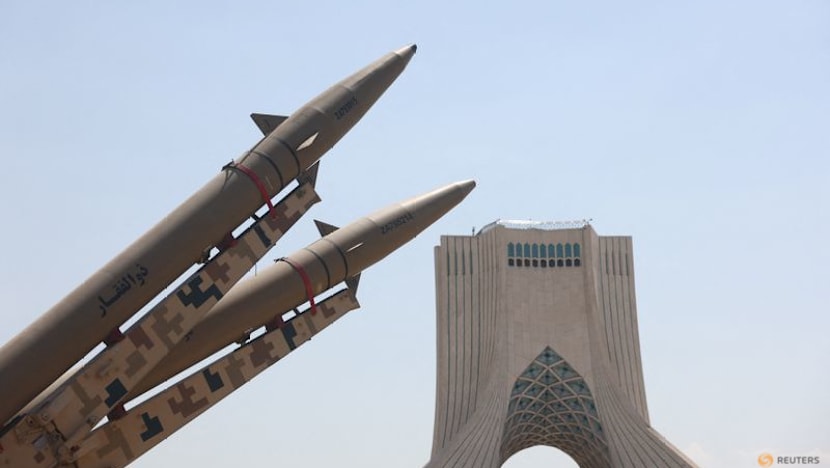
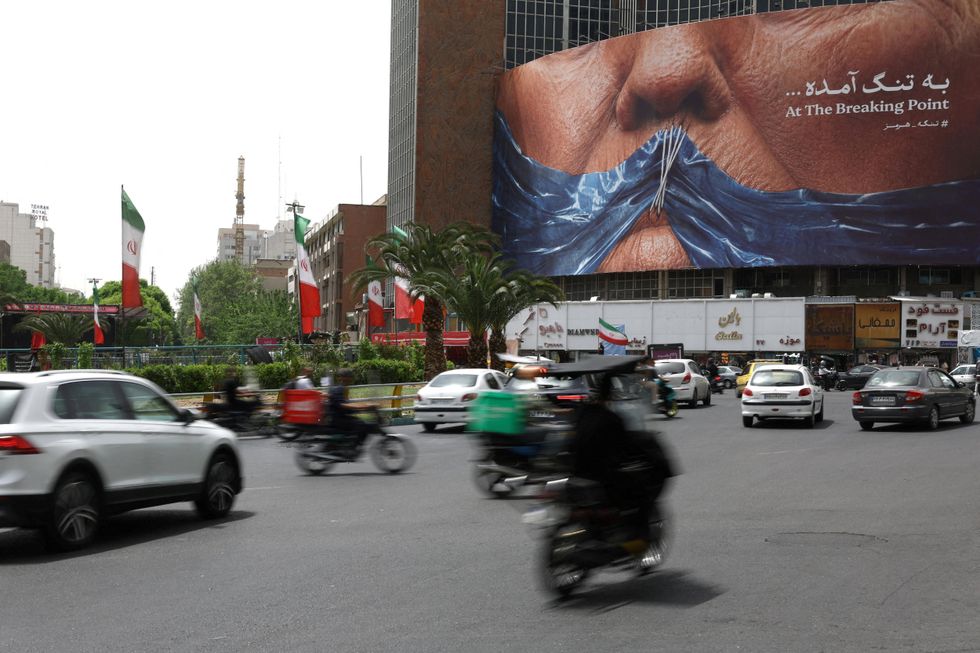
- Iran's Foreign Ministry spokesman Esmaeil Baghaei warned that any South Korean military presence in the Gulf or Strait of Hormuz would be 'direct support for the aggressor' and bring 'serious consequences,' while citing 64 years of diplomatic ties.
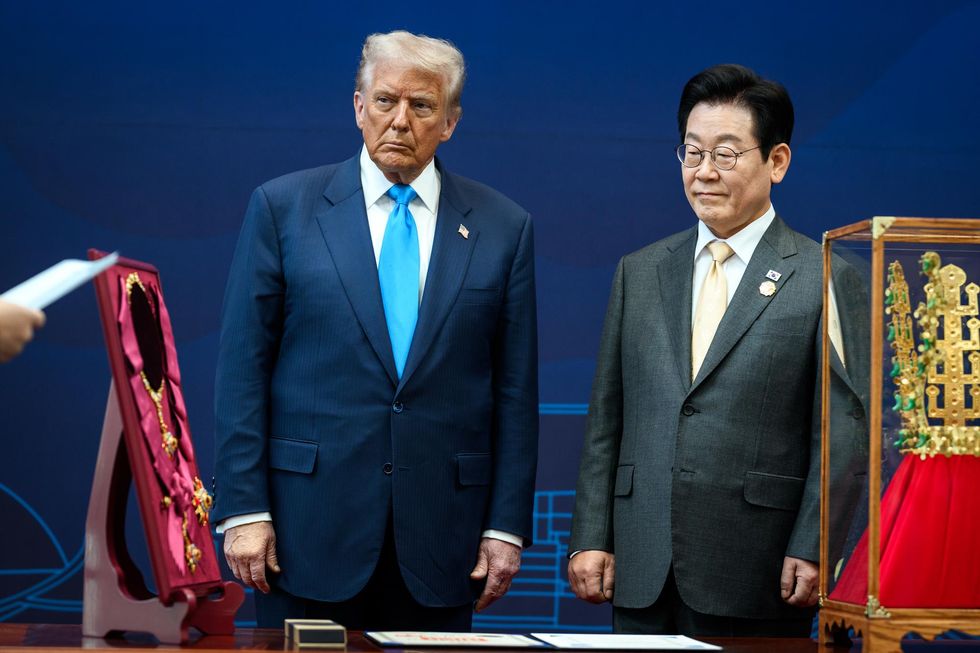
- Trump asked South Korean President Lee Jae Myung in mid-August for 'a little hand' in the war on Iran; Seoul declined, with Trump posting 'No, thanks!' on social media.
- The US retaliated by announcing August 16 that the annual Ulchi Freedom Shield drills would be cut from 11+ days to 5, hours before they were scheduled to begin and with no warning, then cancelled a second September exercise citing Iran war constraints.
- South Korea is now reviewing potential contributions including maritime patrol aircraft, explosive ordnance disposal teams, and unmanned mine-detection systems, with a presidential official telling Yonhap cooperation with France and the UK on noncombat and search-and-rescue forces is on the table.
- Seoul's economy is acutely exposed: 60-70% of its crude imports transit the Strait of Hormuz, and the war has driven the Korean won to a 17-year low amid soaring inflation.
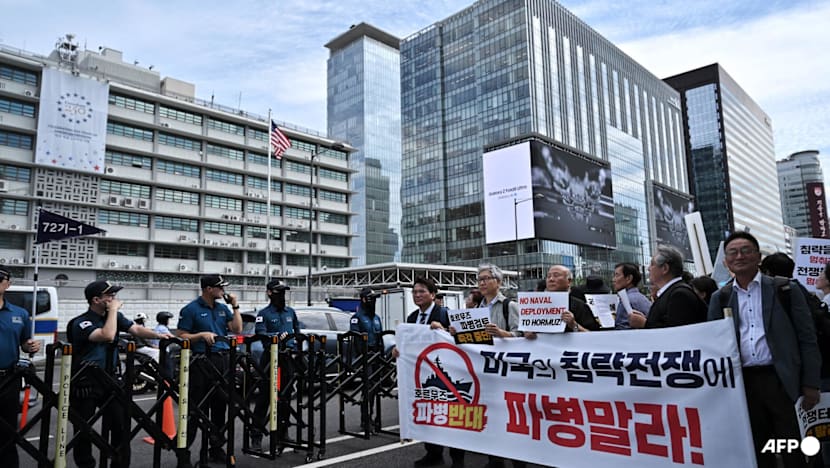
- President Lee faces domestic headwinds to deployment, with the opposition, some members of his own Democratic Party, and street protesters opposed to the war, and Korean law requiring parliamentary approval before any military deployment.
Why it matters: South Korea is caught between an economic dependency (60-70% of crude imports routed through the Strait of Hormuz) and a security dependency (29,000 US troops deterring North Korea), with Trump now wielding joint drill cancellations as leverage. Any deployment risks Iranian retaliation and domestic backlash, while refusal threatens the security guarantees Seoul cannot replace.
Ask SkimNews