China’s 2,250kW chargers are already in service, while US thinks about 750kW next year — SkimNews
Get the Geopolitics newsletter
Daily geopolitics — wars, elections, sanctions, the diplomatic moves that move markets. Free.
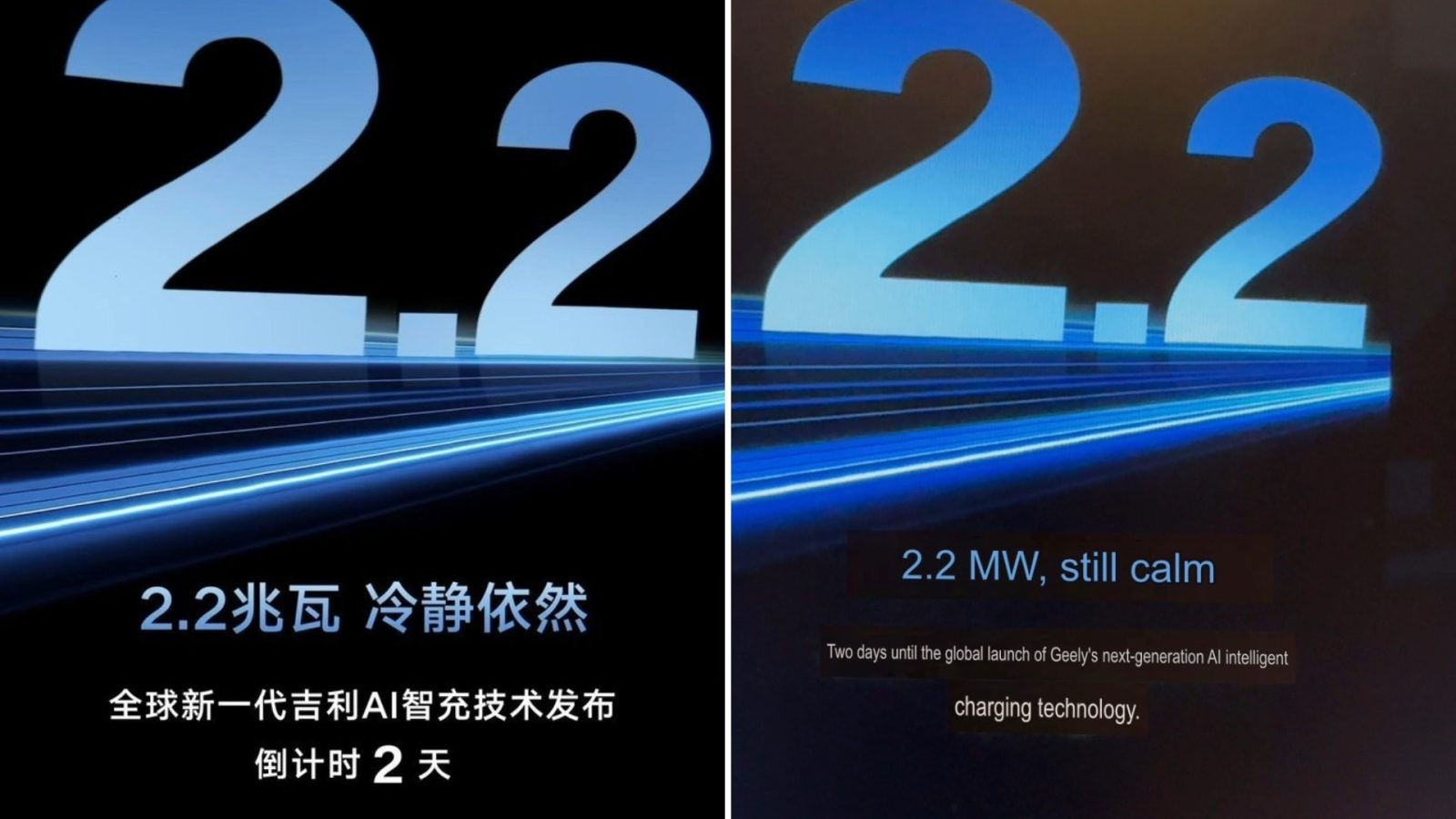
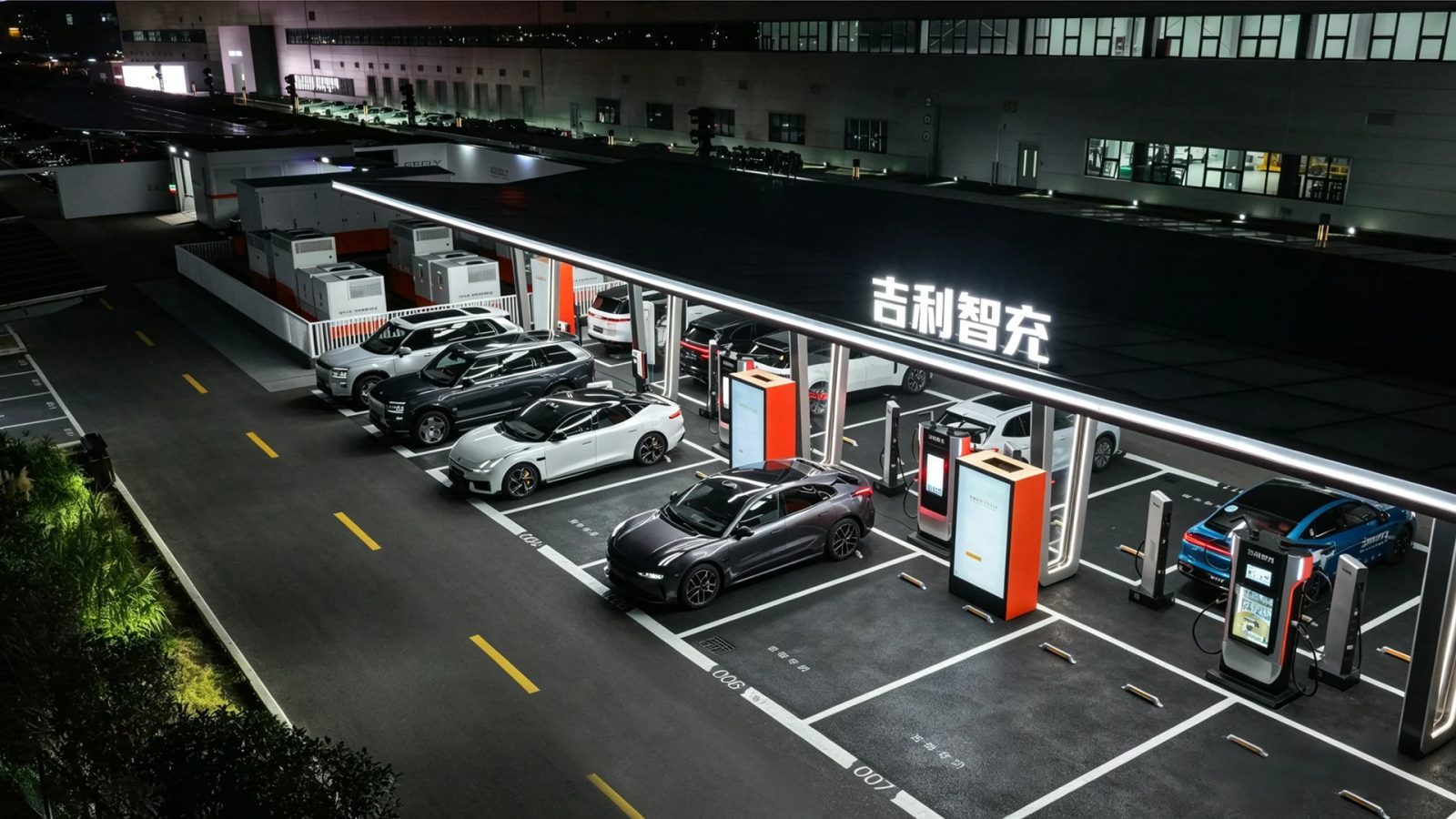
- Geely deployed its 2.2MW chargers in five cities (Hangzhou, Shanghai, Ningbo, Jiaxing, Xi'an) just one week after announcement, with plans for 15,000 charging sites by the end of next year
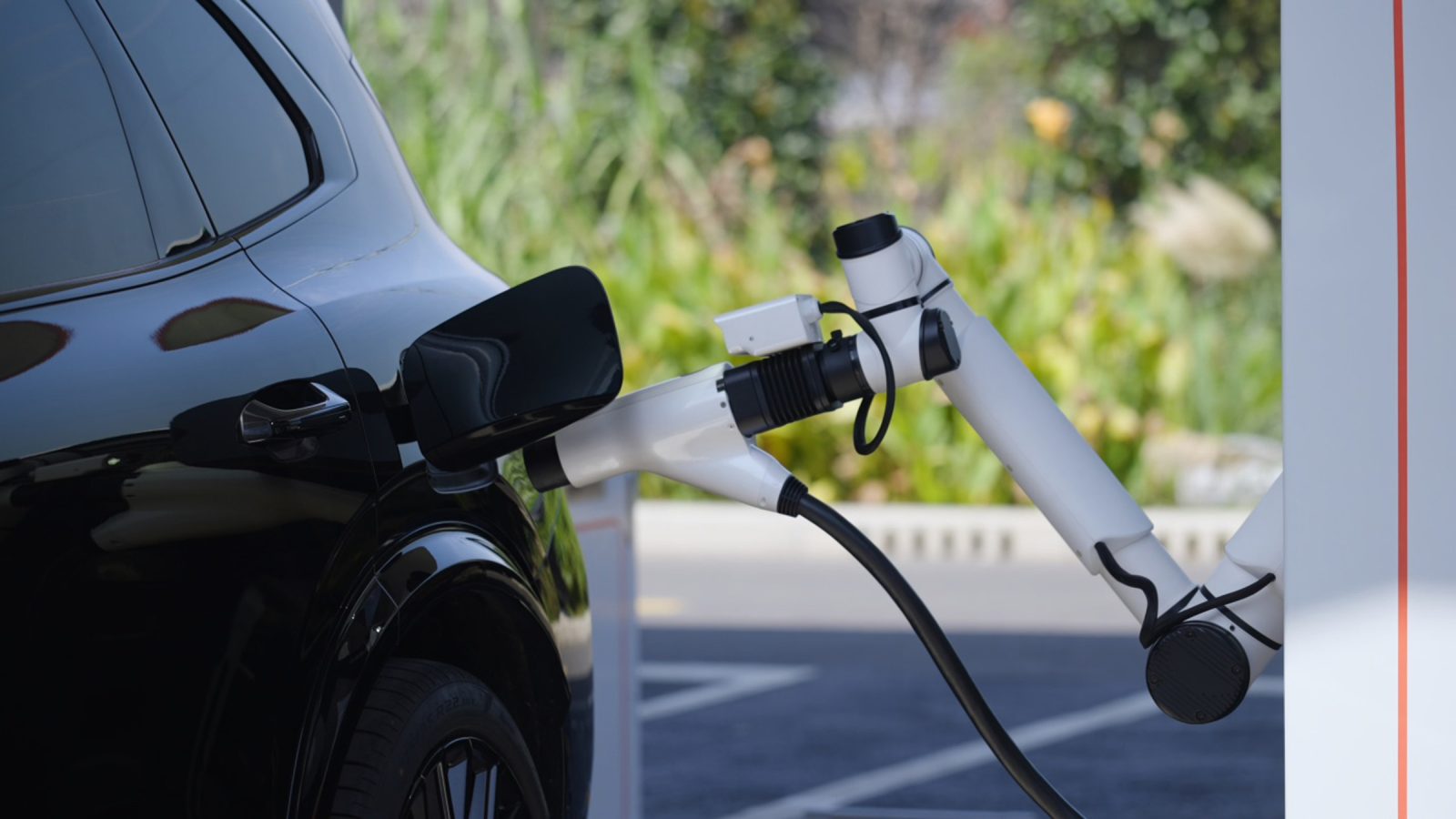
- The 2.2MW charger runs at 1,500V/1,500A split across two heads, since no production EV can yet accept a 1,500V charge, allowing two cars to each receive over 1MW simultaneously
- Geely moved from a 1.5MW charger in March 2025 to 2.2MW six months later, a 700kW jump equal to the entire peak output of the fastest upcoming US system
- EVgo delayed its 750kW US rollout from the second half of 2026 to 2027, a six-month slip that mirrors the time Geely needed to add 750kW to its existing 1.5MW system
- Tesla's V4 Supercharger, announced in 2022 at 500kW, took roughly three years to deploy and most US Superchargers remain capped at 350kW; its Semi Megacharger runs at 1.2MW, slower than Geely's or BYD's consumer systems
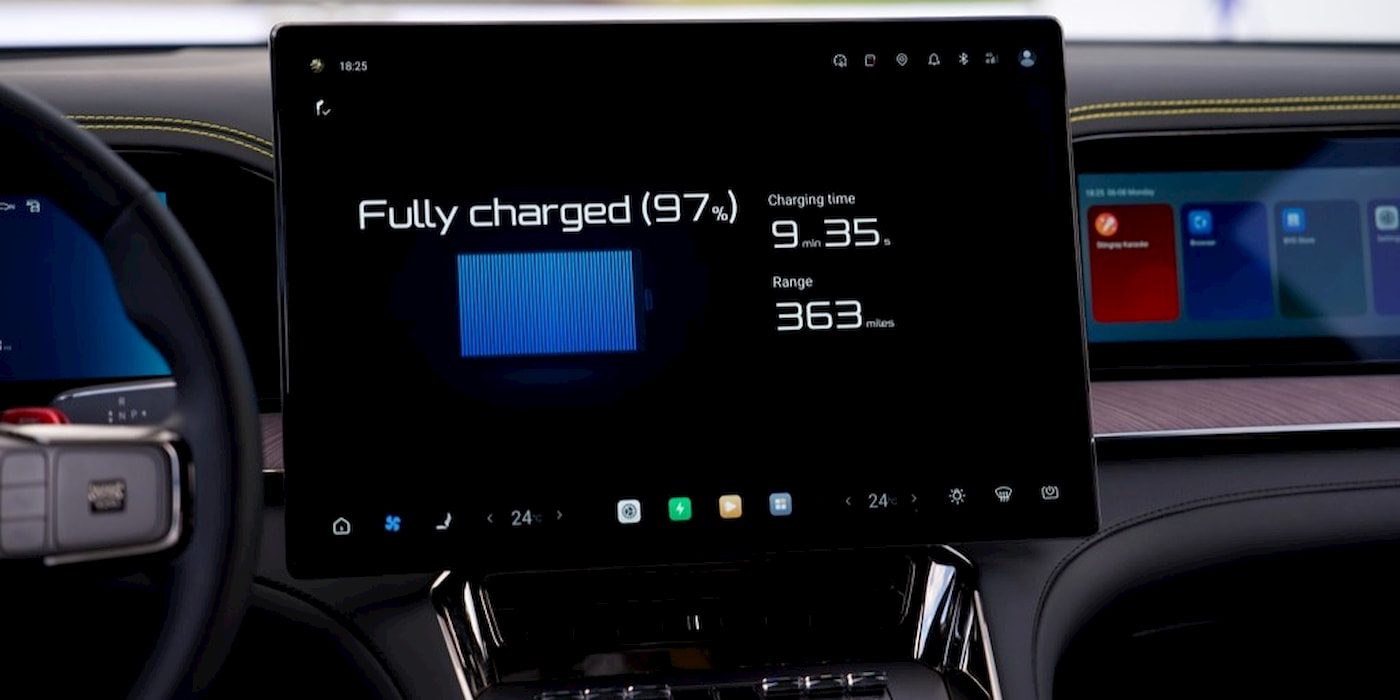
- BYD announced a 1.5MW system in March and installed 10,000 chargers within five months, while China already operates tens of thousands of megawatt-level chargers that can fill an EV in 5–10 minutes
Why it matters: Geely's newly deployed 2.2MW charger runs at roughly triple the peak power of EVgo's 750kW system, which itself slipped from late 2026 to 2027. China already operates tens of thousands of megawatt-level chargers while most US Superchargers stay capped at 350kW, and only the upcoming Mercedes AMG GT can currently accept US 750kW speeds, leaving Chinese automakers with both infrastructure and vehicle capability US OEMs lack.
Ask SkimNews