March CPI Looms: 67% Oil Surge Threatens Fed Rate Cuts — SkimNews
Get the Finance newsletter
Daily finance — markets, central banks, M&A, the prints that move money. Free.
- The Bureau of Labor Statistics is set to release the March inflation report on April 10 at 8:30 a.m. ET, a release Wall Street expects to reshape the rate-cut outlook.
- Iran's closure of the Strait of Hormuz — a channel handling roughly 20% of the world's daily liquid petroleum — has triggered what the source calls the biggest energy supply disruption in history.
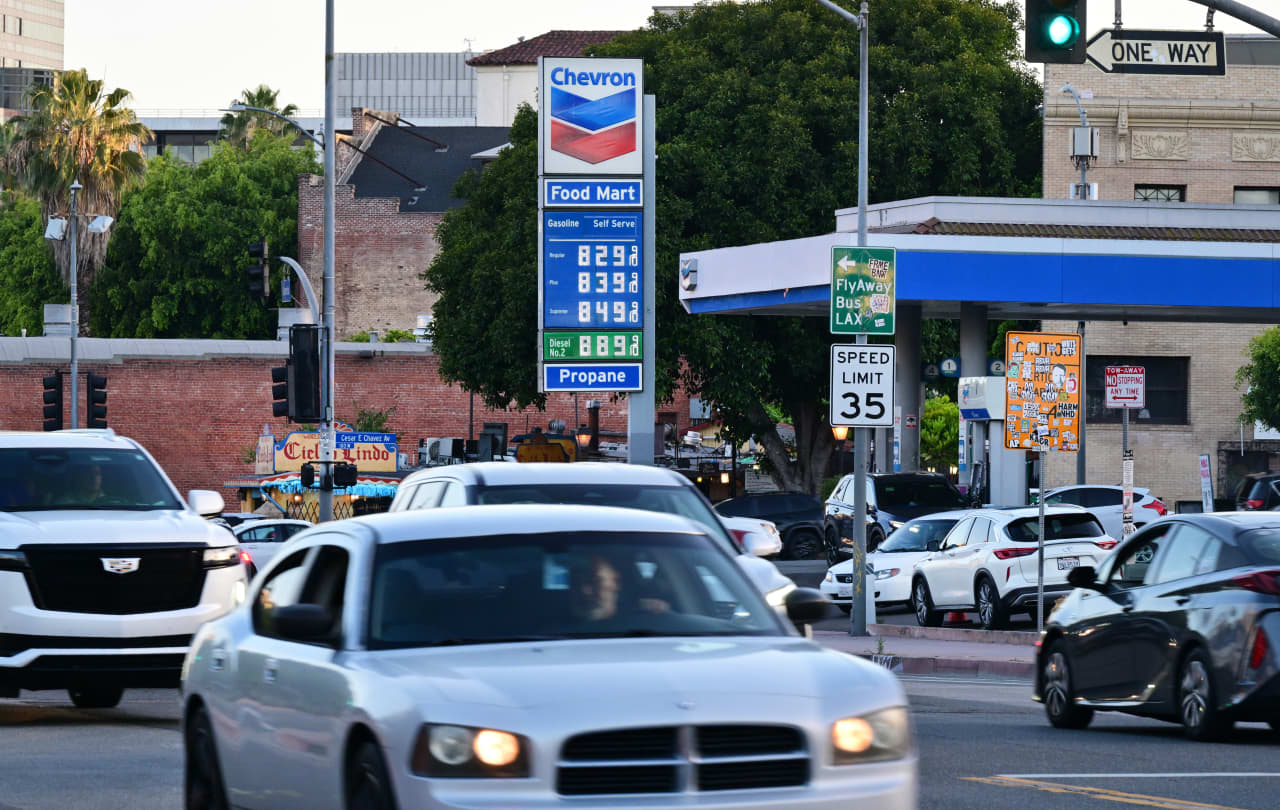
- West Texas Intermediate crude has surged 67% since Feb. 27, lifting the national average gas price from under $3 to $4.09 per gallon (regular) and diesel to $5.53 by April 3.
- The Cleveland Fed's Inflation Nowcasting tool projected a trailing 12-month CPI of 3.25% as of April 3, an 85-basis-point jump from the prior report that the source calls a massive increase.
- The S&P 500 entered 2026 at its second-priciest Shiller price-to-earnings valuation since January 1871, leaving equities highly exposed if the Fed pivots away from rate cuts.
- The Federal Reserve, whose next FOMC meeting is April 28-29, could abandon its rate-easing cycle and put rate hikes on the table if the March CPI confirms the nowcast surge, per the source.
- President Trump's tariffs on imported goods are adding price stickiness on top of the energy shock, compounding the inflation risk the source says the Fed must now weigh.
Why it matters: The S&P 500 sits at its second-priciest Shiller P/E since 1871, priced for continued Fed rate cuts. An 85-basis-point inflation surge driven by $4.09 gas and 67% oil gains could force Chair Powell and the FOMC to halt easing and consider hikes at the April 28-29 meeting — exposing richly valued equities to a sharp repricing.
Ask SkimNews