Japan-Korea 'Like-Minded' Claim Masks North Korea Gaps — SkimNews

Get the Geopolitics newsletter
Daily geopolitics — wars, elections, sanctions, the diplomatic moves that move markets. Free.
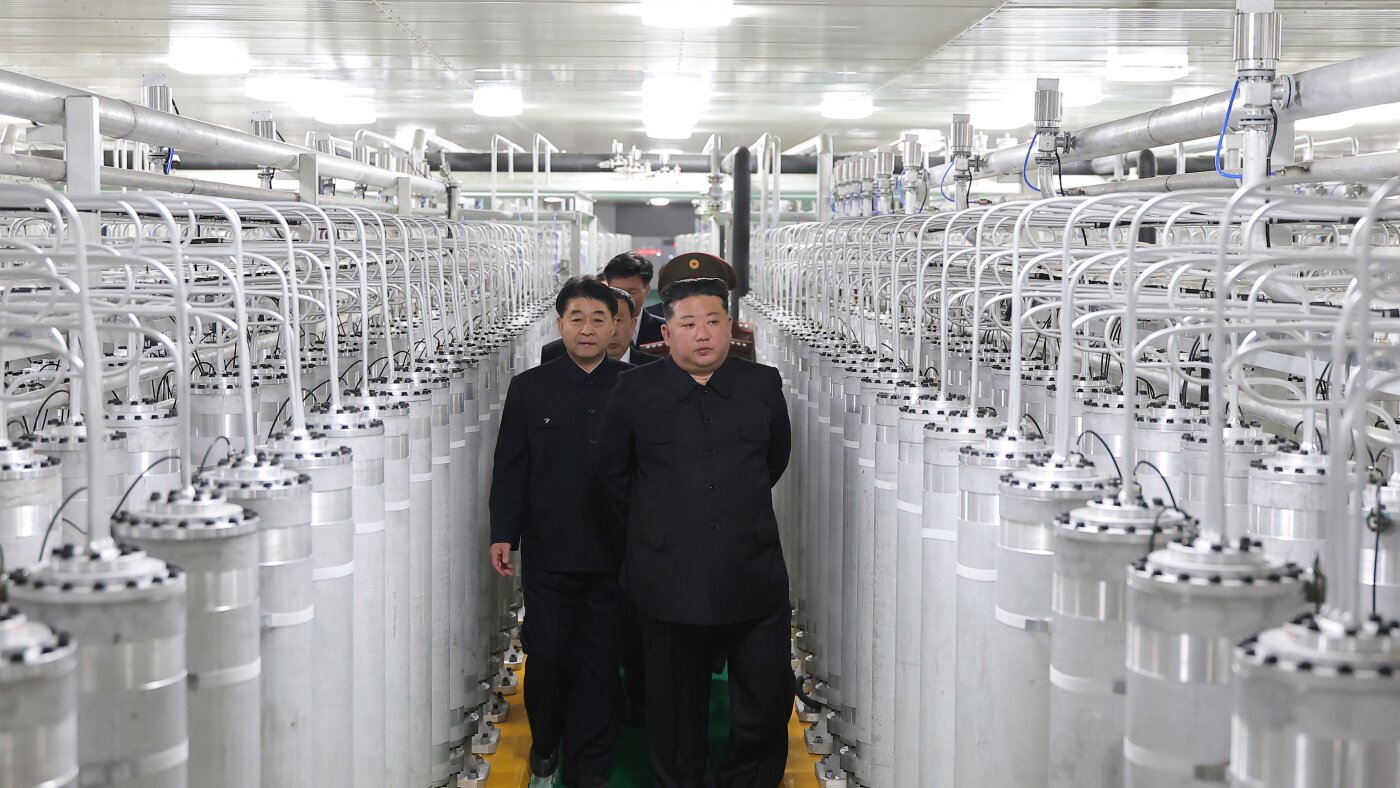
- Japan and South Korea converge on treating North Korea as a military threat, with cooperation growing on countering cyberattacks and cryptocurrency theft.
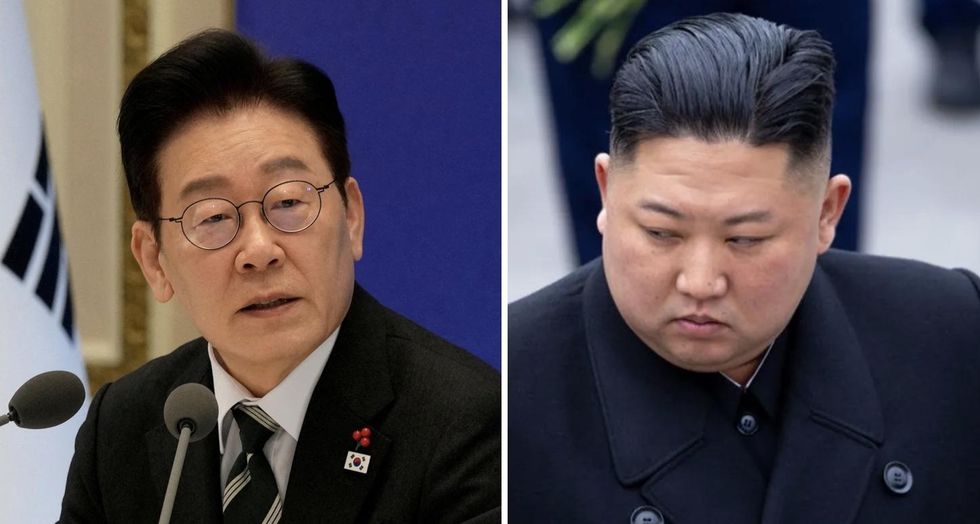
- The two diverge once North Korea shifts from "threat" to potential "negotiation partner," because Seoul views it as half of a divided nation with reunification stakes while Tokyo treats it as a foreign country constrained by the abduction issue.
- Japan insists on CVID — complete, verifiable, irreversible denuclearization — and cannot move toward normalization without progress on abductions, a factor the article notes is absent for every other country in the region.
- On China, Japan perceives Beijing primarily as a long-term security threat, while South Korea — sharing a land border — treats it as both a concern and an indispensable partner, with even conservative Seoul presidents prioritizing Beijing over Tokyo.
- The deepening Russia-North Korea military relationship has made the bilateral Japan-South Korea framework more important than the broader trilateral for managing shared North Korea concerns.
- Pyongyang has historically exploited gaps between Tokyo, Seoul, and Washington to expand its room for maneuver, and the article warns a Trump-Kim summit would prompt Japan and South Korea to pursue parallel but divergent negotiations.
Why it matters: Japan's CVID-plus-abductions stance and South Korea's reunification-plus-Beijing orientation are structural, not cyclical — meaning any renewed U.S. push for a Kim summit exposes a coordination gap that Pyongyang has repeatedly turned into negotiating leverage, rewarding the actor least willing to align.
Ask SkimNews