How HSBC’s Sharia fund invested millions in Israeli war-linked firms — SkimNews

Get the Finance newsletter
Daily finance — markets, central banks, M&A, the prints that move money. Free.
- HSBC's Islamic Global Equity Index Fund bought more than $130 million in shares of at least five Israeli military-linked firms in the first half of 2026, including $38.3m in Palantir, $35.7m in RTX, $20.3m in Analog Devices, $18.9m in Honeywell, and $17.6m in Rolls-Royce
- Palantir Technologies announced a strategic partnership with Israel's Ministry of Defence in January 2024 and was identified in a June 2025 UN report as supporting AI target-generation systems including "Lavender," "Gospel," and "Where's Daddy?"
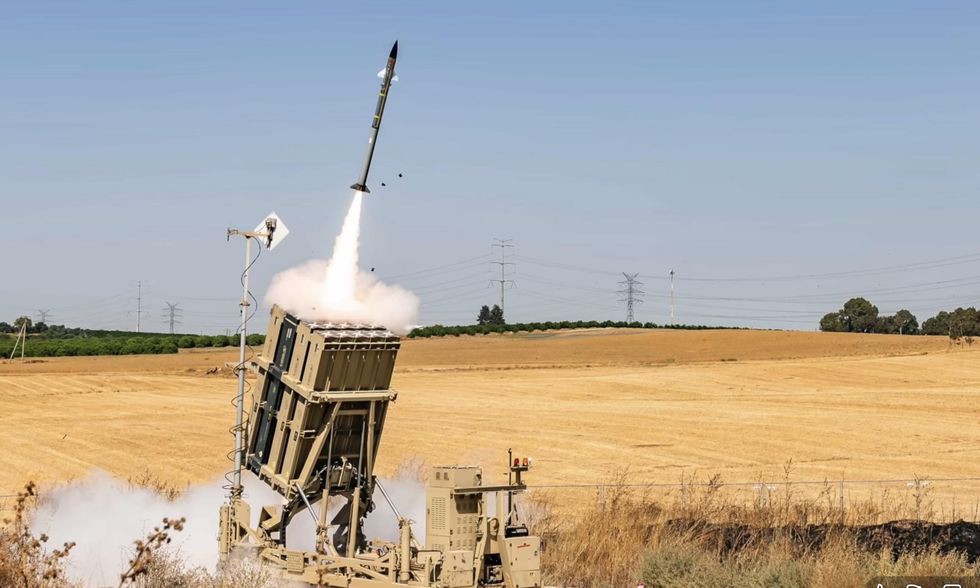
- RTX's subsidiary Raytheon co-manufactures Tamir interceptor missiles for Israel's Iron Dome air-defence system and co-developed David's Sling with state-owned Rafael Advanced Defense Systems
- Analog Devices shipped components from its Philippine factory to Elbit Systems, Israel's largest privately owned weapons manufacturer, in August, October, and November 2024, according to Irish outlet The Ditch
- Honeywell manufactured a measurement unit in a missile that Israel used to strike the UN-run al-Sardi school in Gaza's Nuseirat refugee camp in June 2024, killing nearly 40 Palestinians including at least 14 children
- Rolls-Royce's German subsidiary MTU Aero Engine supplies power systems for Israeli Merkava tanks, Namer APCs, and Eitan armoured vehicles, with the US approving a potential $180m sale of additional Eitan engines in April 2025
- Islamic finance screening has a "critical gap" because it assesses companies' declared principal activities rather than end-use, allowing technology and industrial firms to pass even when components end up in weapons, per Durham University Professor Muhammed Ebrahim
Why it matters: Muslim savers holding HSBC's Sharia fund through halal pension schemes reasonably expected their money not to fund companies implicated in civilian harm, yet S&P's standard Sharia indices do not directly exclude defence companies. The five purchases totaled over $130 million despite HSBC's own screening rules prohibiting exposure to weapons-related revenue, exposing a methodology weakness the HSBC case illustrates across the industry.
Ask SkimNews