London Ulez Improved Children's Lungs, Study Finds — SkimNews

Get the Energy newsletter
Daily energy & climate — solar, EVs, oil, the policy fights and tech bets shaping the transition. Free.
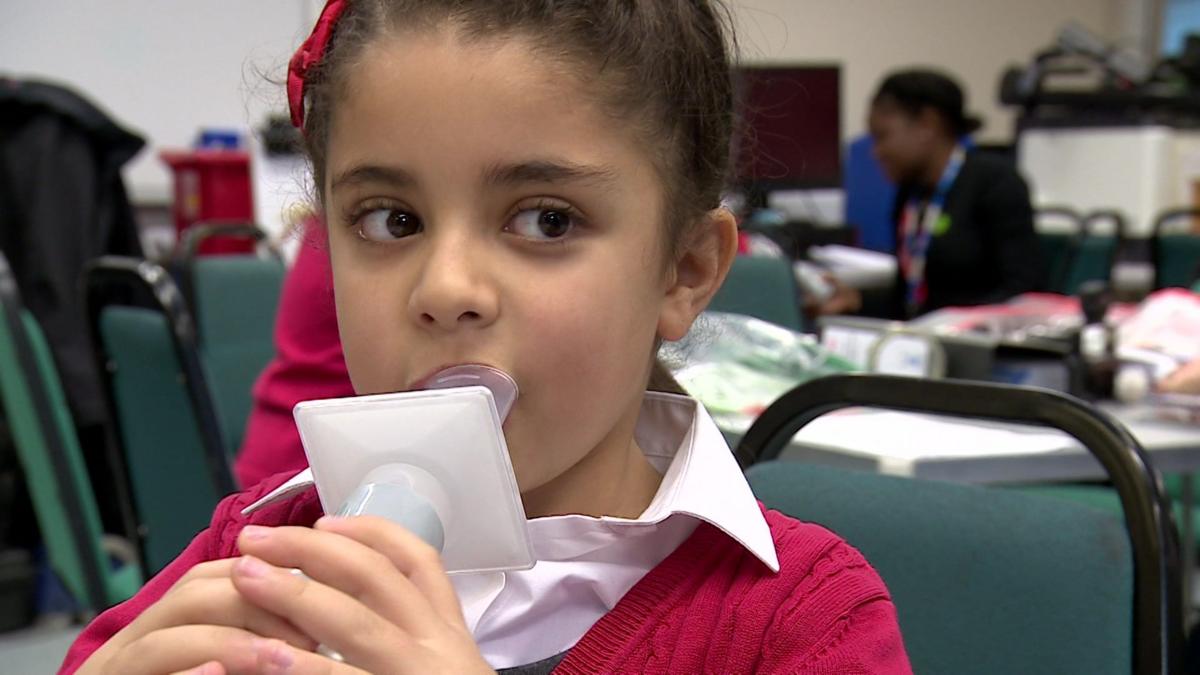
- Queen Mary University London study found children's lungs grew bigger and stronger after the Ulez restricted the most polluting vehicles, with nitrogen dioxide levels drastically cut in the capital.
- Sadiq Khan launched Ulez in 2019 and expanded it in 2021 and 2023; the zone charges £12.50 a day for vehicles not meeting stringent standards, though 60% of Londoners in a consultation opposed it.
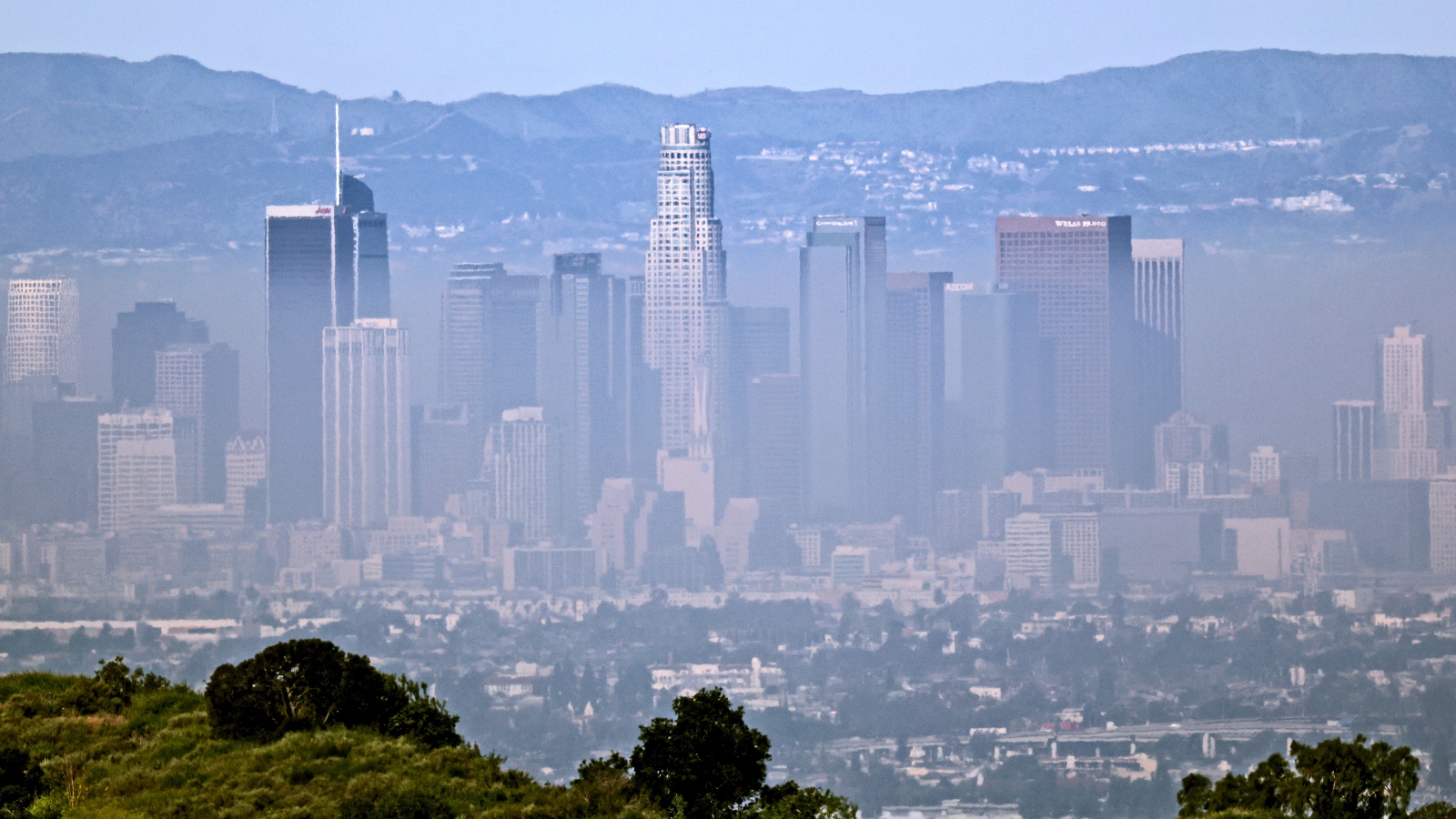
- London recorded between 6,000 and 8,000 premature deaths annually from air pollution in the late 2010s, and more than 110,000 children were admitted to hospital with breathing difficulties in 2024.
- Labour lost the 2023 Uxbridge byelection in part due to voter anger over Ulez, prompting Keir Starmer's advisers to demand rollbacks; Andy Burnham subsequently abandoned similar plans for Greater Manchester.
- Bogotá is launching its second Zuma clean air zone with expanded cycle lanes and tree planting after winning last year's Earthshot prize, while Nairobi passed a 2022 air quality act requiring emissions to halve by 2035.
- Sofia recorded a 22% reduction in PM10 particulate matter and halved the number of days exceeding air quality guidance after phasing out coal and wood heating — the first low-emission zone for transport and heating in south-east Europe.
- Mete Coban, Khan's deputy, said disinformation was "the number one thing" deterring other countries, pointing to viral conspiracy theories about 15-minute cities as government control devices exploited by the far right.
Why it matters: The WHO estimates air pollution kills 7 million people globally each year, yet Khan endured personal threats and shouts of "Nazi" for implementing a policy his own deputy calls the model other cities should follow — a £12.50 daily charge that, in London, now competes with wood-burning stoves as the dominant particle source.
Ask SkimNews