Researchers Use Algae Swarms for Targeted Drug Delivery — SkimNews

Get the Health newsletter
Daily health & science — research, biotech, public health, the studies worth knowing. Free.
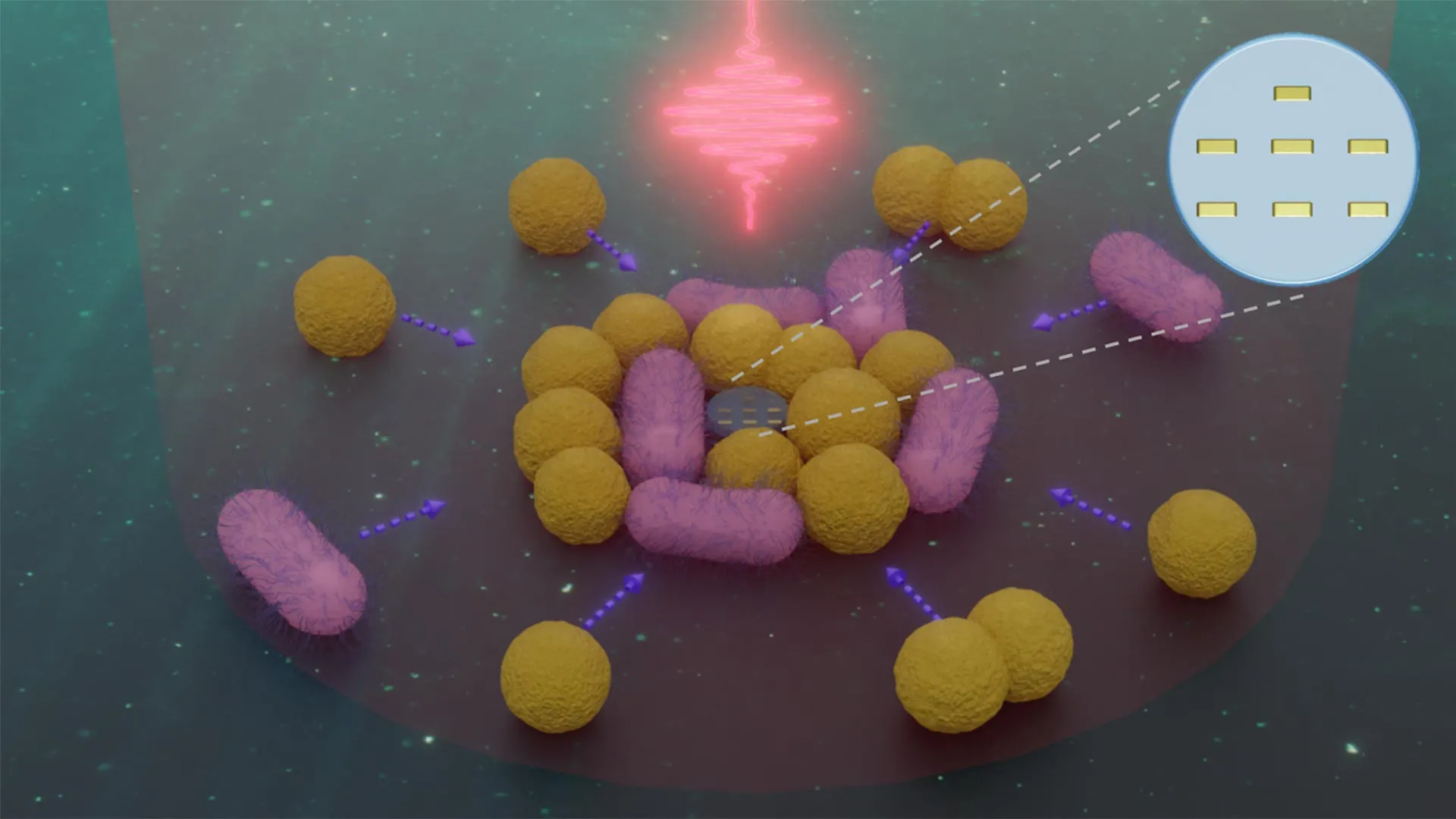
- Joseph Wang and his UC San Diego lab teamed with chemical engineer Liangfang Zhang to assemble swarms of microrobots powered by the green microalga Chlamydomonas reinhardtii.
- Blue light steers the algae swarms into defined shapes—such as circles, squares, and the outline of Africa—while red light triggers dispersion.
- Nanoparticles are electrostatically attached to the algae membranes, enabling the swarm to carry therapeutic payloads to wounds or other target sites.
- Acid‑adapted algae harvested from mining sites are used for stomach‑targeted drug delivery because they can survive the organ’s low‑pH environment.
- Magnetotactic bacteria loaded with nanoparticles can be guided by external electromagnets, offering an alternative active‑medicine platform.
- Algae‑cyborg swarms are also being tested for environmental decontamination, carrying chemicals that absorb or neutralize toxins in rivers and oceans.
Why it matters: Patients receive drugs that act only where needed, reducing side effects, while researchers gain a platform for active medicine; environmental agencies can deploy algae‑cyborgs to neutralize water toxins, shifting remediation from chemical dispersants to living agents and offering a biologically sustainable alternative to traditional cleanup methods.
Ask SkimNews