Fuels and freight put F1 on track for net zero by 2030 — SkimNews
Get the Energy newsletter
Daily energy & climate — solar, EVs, oil, the policy fights and tech bets shaping the transition. Free.
- Formula 1 reported a 35% reduction in its carbon footprint from the 2018 baseline and a 12% year-on-year drop, with total CO2 emissions falling from 228,793 tonnes to 148,805 tonnes in 2025
- Factory and facility emissions fell 64% versus 2018 and 14% year-on-year, while logistics emissions dropped 21% year-on-year and 29% since 2018
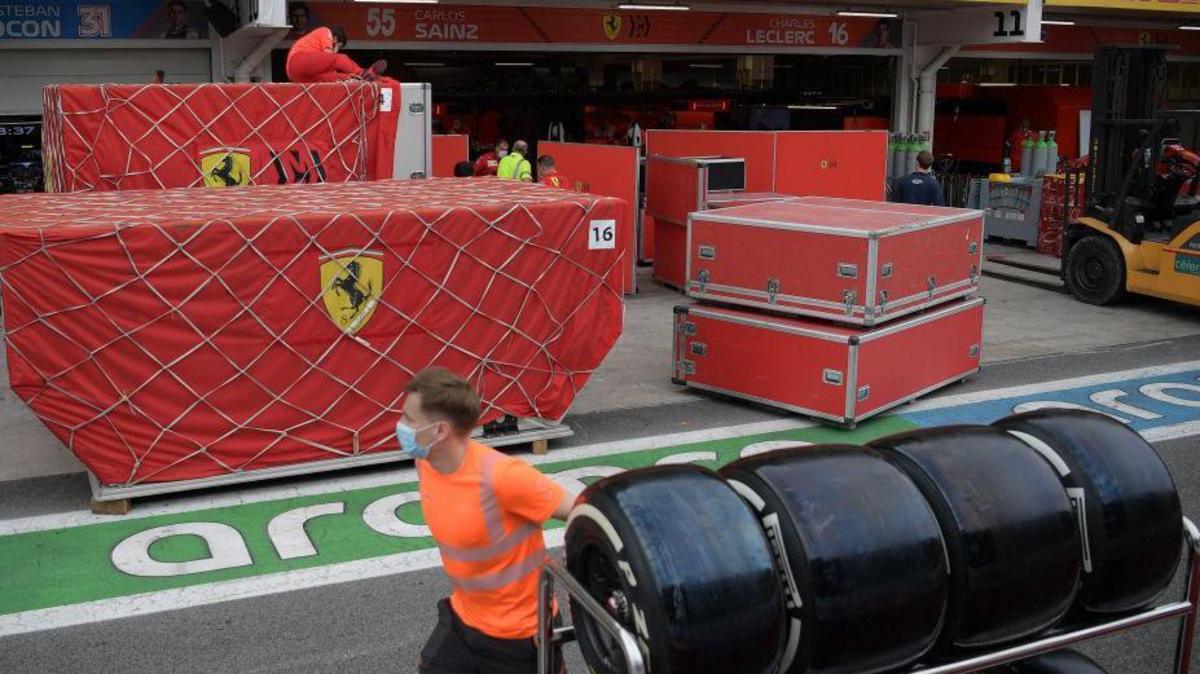
- Key drivers include shifting freight from air to sea, doubling investment in sustainable aviation fuel, and F1's first investment in sustainable maritime fuel, according to ESG head Ellen Jones
- Calendar rationalisation is producing measurable gains: running the Miami and Canadian Grands Prix consecutively in 2025 cut logistics and travel emissions by nearly 3%, and moving the Japanese GP to spring groups it with the Australian and Chinese races
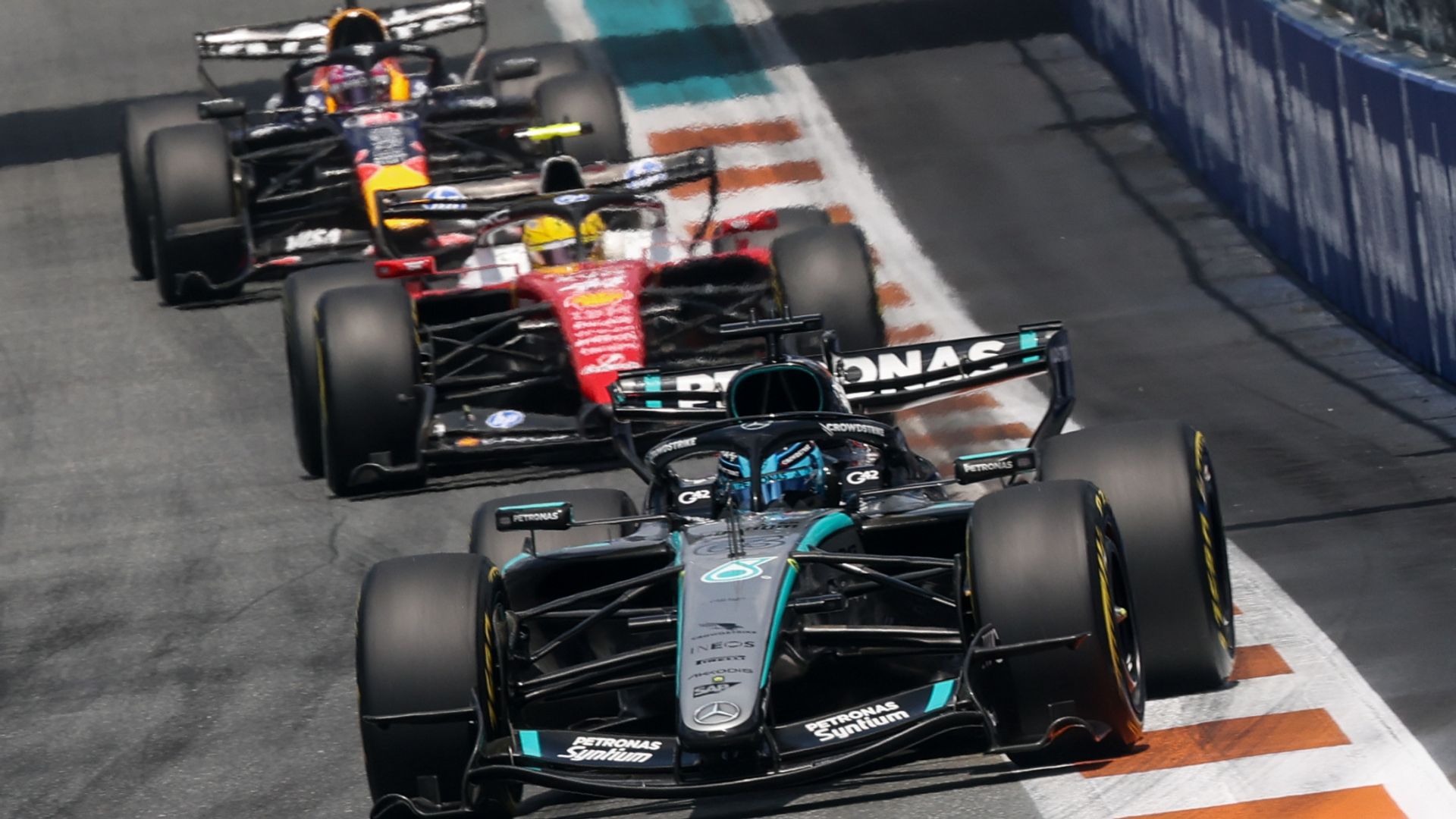
- 2026 sustainable fuel mandate: F1 now requires advanced sustainable fuels in races, which the sport says deliver an 80% greenhouse gas reduction versus fossil-fuel comparators, though race-day emissions remain a small share of the total
- The 2030 target sets a minimum 50% absolute emissions reduction from 2018 levels, with any remaining unavoidable emissions offset through credible programmes, per F1's net-zero commitment
- CEO Stefano Domenicali credited 'collective effort across the sport' for the results, with emissions data verified through a third-party reporting platform
Why it matters: F1's 2030 net-zero commitment requires a minimum 50% absolute emissions cut from 2018, and the sport is already at 35% with five years remaining — meaning roughly two-thirds of the target has been hit without slowing the calendar's global expansion. The bigger near-term test is whether the 2026 sustainable fuel mandate and continued air-to-sea freight shifts can close the remaining gap while race counts keep growing.
Ask SkimNews