Estonia Blames Russia for Milrem Robotics Arson Attack — SkimNews

Get the Geopolitics newsletter
Daily geopolitics — wars, elections, sanctions, the diplomatic moves that move markets. Free.
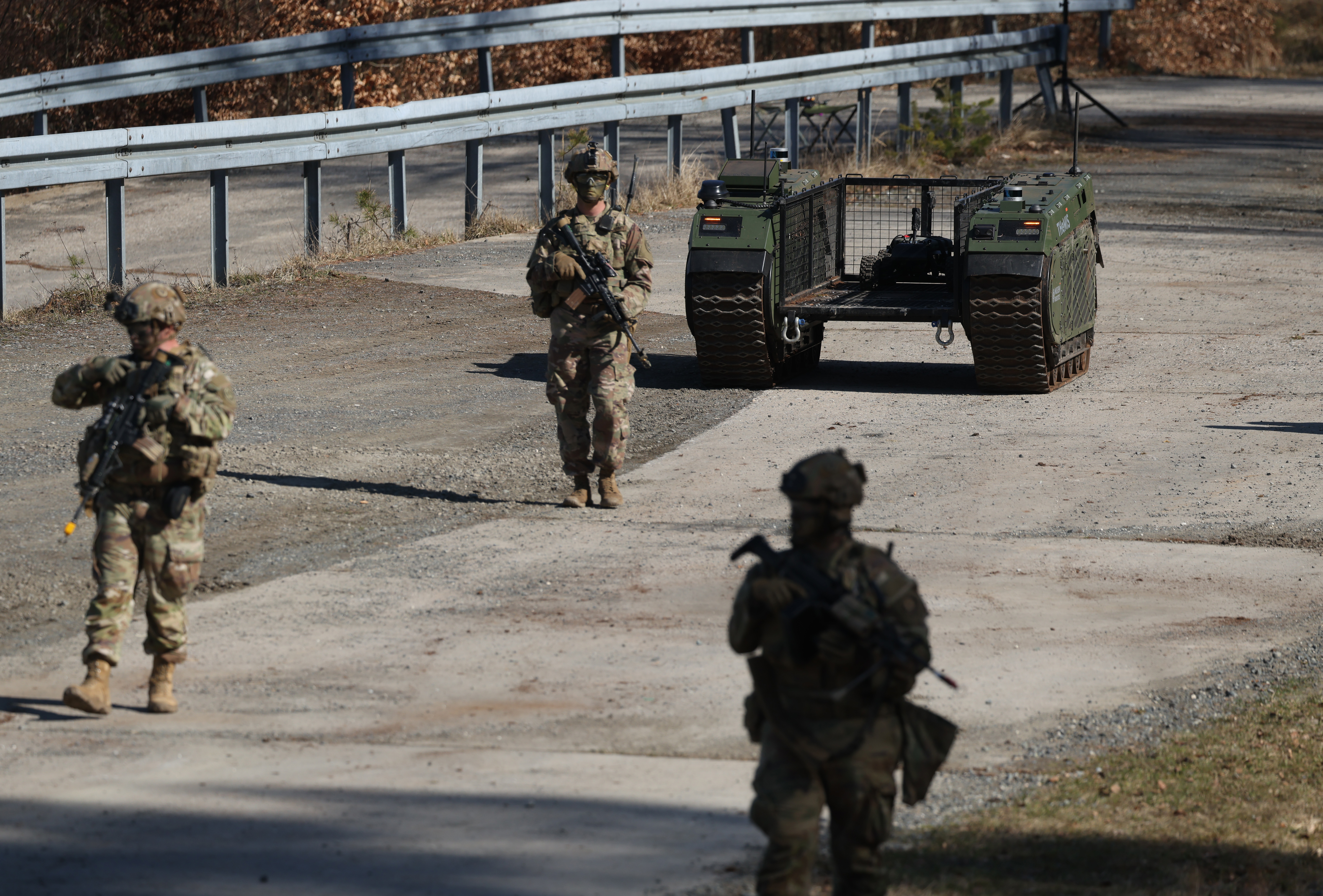
- Estonia's PM Kristen Michal said Russian special services ordered the 14-15 August arson attack on Milrem Robotics in Tallinn, which supplies unmanned military vehicles to Ukraine, and Foreign Minister Margus Tsahkna said Estonia could "conclude with certainty" it was sabotage based on Internal Security Service (Kapo) findings.
- Three Latvian suspects living in Russia and linked to previous attacks were arrested in Latvia and extradited to Estonia earlier this month, according to security service chief Margo Palloson, who said the Milrem strike was Russia's first successful sabotage operation this year.
- Russia was accused or suspected of at least six other sabotage incidents across NATO territory in August alone: an explosive-laden drone near Ukrainian cargo planes at Leipzig airport in Germany, a warehouse fire at a Bulgarian defence firm, an explosion at a munitions factory outside Rome, an attempted arson on a Ukrainian-owned drone maker in Slovakia, and two suspicious fires in Poland.
- French President Emmanuel Macron called the multiplication of hostile acts "a dangerous escalation by Russia" and warned Moscow it "will not overcome our unity," while NATO chief Mark Rutte urged governments to "stay calm" and continue backing Ukraine, saying Russia is "failing on the battlefield in Ukraine" and in its attempts to fracture allied support.
- Russia separately threatened nuclear weapons use to defend Kaliningrad — home to the Russian Baltic Fleet and one of Moscow's only ice-free European ports — if NATO attempts to isolate the exclave, a provocation NATO spokesperson Allison Hart called "irresponsible nuclear rhetoric" it strongly denounces.
- Kapo head Margo Palloson warned that Russia is "constantly planning, looking for opportunities" for further sabotage or hostile acts, and that recruited operatives are typically "misled or manipulated" with "false or fabricated justifications" to conceal Russian state involvement.
Why it matters: Estonia is the first NATO country to publicly attribute a specific sabotage operation to Russian special services with named suspects in custody, setting a precedent for how allies can formally call out hybrid attacks. With six other European sabotage incidents in August alone — plus an explicit Russian nuclear threat over Kaliningrad — the Milrem case is one node in a documented escalation that tests whether allied resolve holds under sustained covert pressure.
Ask SkimNews