Katalyst spacecraft returns to Earth after failed Swift rescue — SkimNews

Get the Health newsletter
Daily health & science — research, biotech, public health, the studies worth knowing. Free.
- Katalyst Space Technologies' Link spacecraft launched July 3 from Kwajalein Atoll on a $30 million NASA contract awarded in September 2024, reaching 7–9 miles from Swift before re-entering Earth's atmosphere on Friday after 85 days in orbit.
- Electronics failures aboard Link rendered two of its three reaction wheels inactive shortly after launch, sending the spacecraft into a deep spin; though communications and control were eventually restored, mission managers abandoned the rescue effort last month due to insufficient remaining fuel.
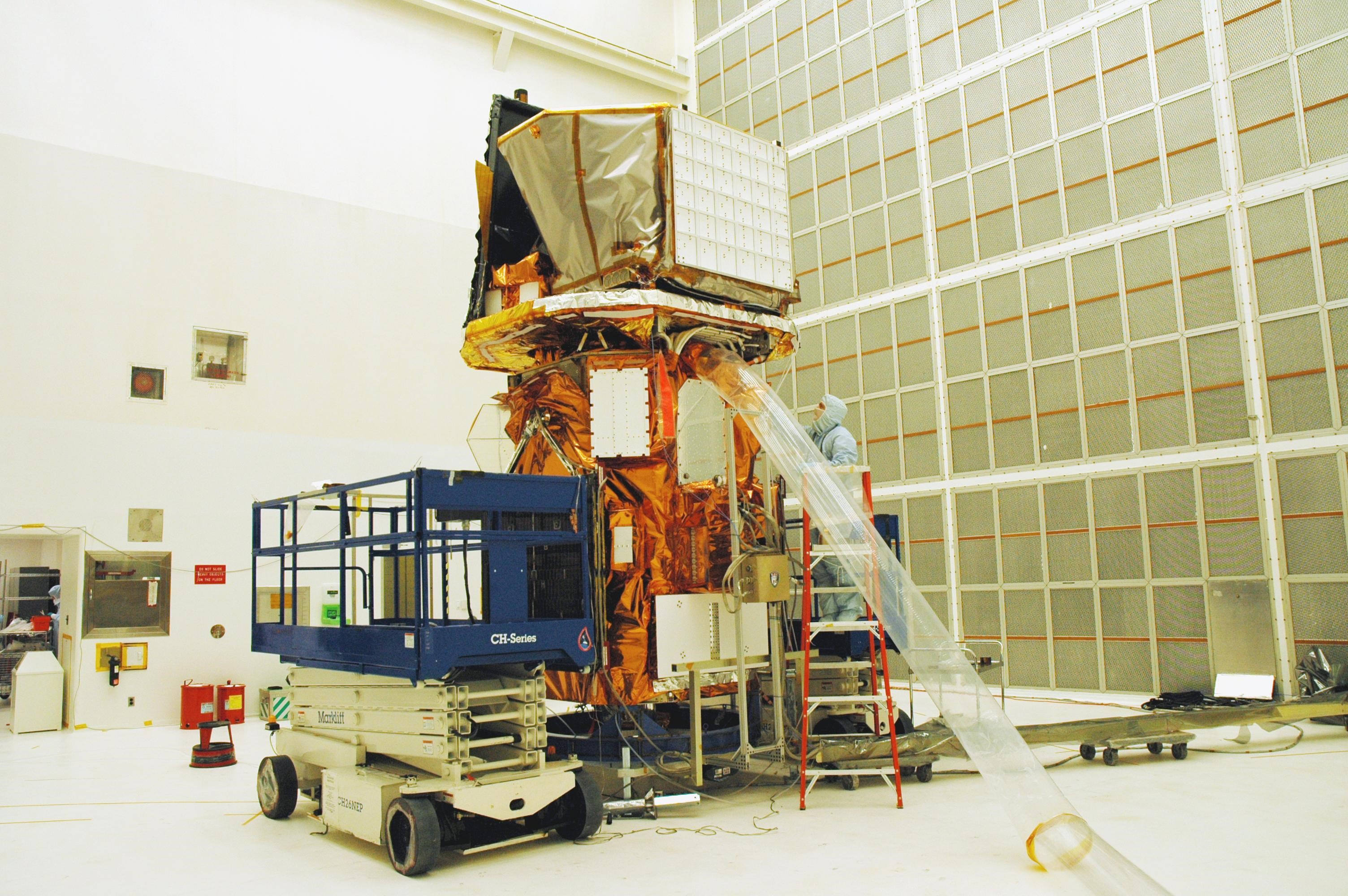
- The Neil Gehrels Swift Observatory, a NASA–Penn State collaboration launched in November 2004 to study gamma-ray bursts, will re-enter Earth's atmosphere in November after NASA suspended its observations and repositioned it to minimize drag while awaiting rescue.
- NASA Administrator Jared Isaacman called the mission a worthwhile smart risk despite the failed outcome: "This is not the outcome we were working toward, but it does not change why this mission was worth attempting."
- NASA astrophysics director Shawn Domagal-Goldman said the effort advanced U.S. spacecraft servicing technology and tested low-Earth-orbit satellite life-extension methods regardless of whether Swift was saved.
- Swift's irony: the satellite's lifespan was shortened by the intense solar flare-ups it was sent to observe — the very cosmic phenomena it spent 22 years studying accelerated its orbital decay.
Why it matters: Katalyst assembled its ambitious rescue plan in just 22 months, and while the Swift telescope is lost, NASA is treating Link's near-approach and imaging run as a technology rehearsal for future commercial satellite-servicing missions in low Earth orbit — the first U.S. contract of its kind.
Ask SkimNews