JBS faces Dutch court over $6bn expansion plans — SkimNews

SkimNews Take
By targeting JBS through Dutch courts, the petition leverages EU disclosure and due-diligence frameworks to potentially restrict the company's access to European capital and supply chains, independent of the case's substantive outcome.
Get the Energy newsletter
Daily energy & climate — solar, EVs, oil, the policy fights and tech bets shaping the transition. Free.
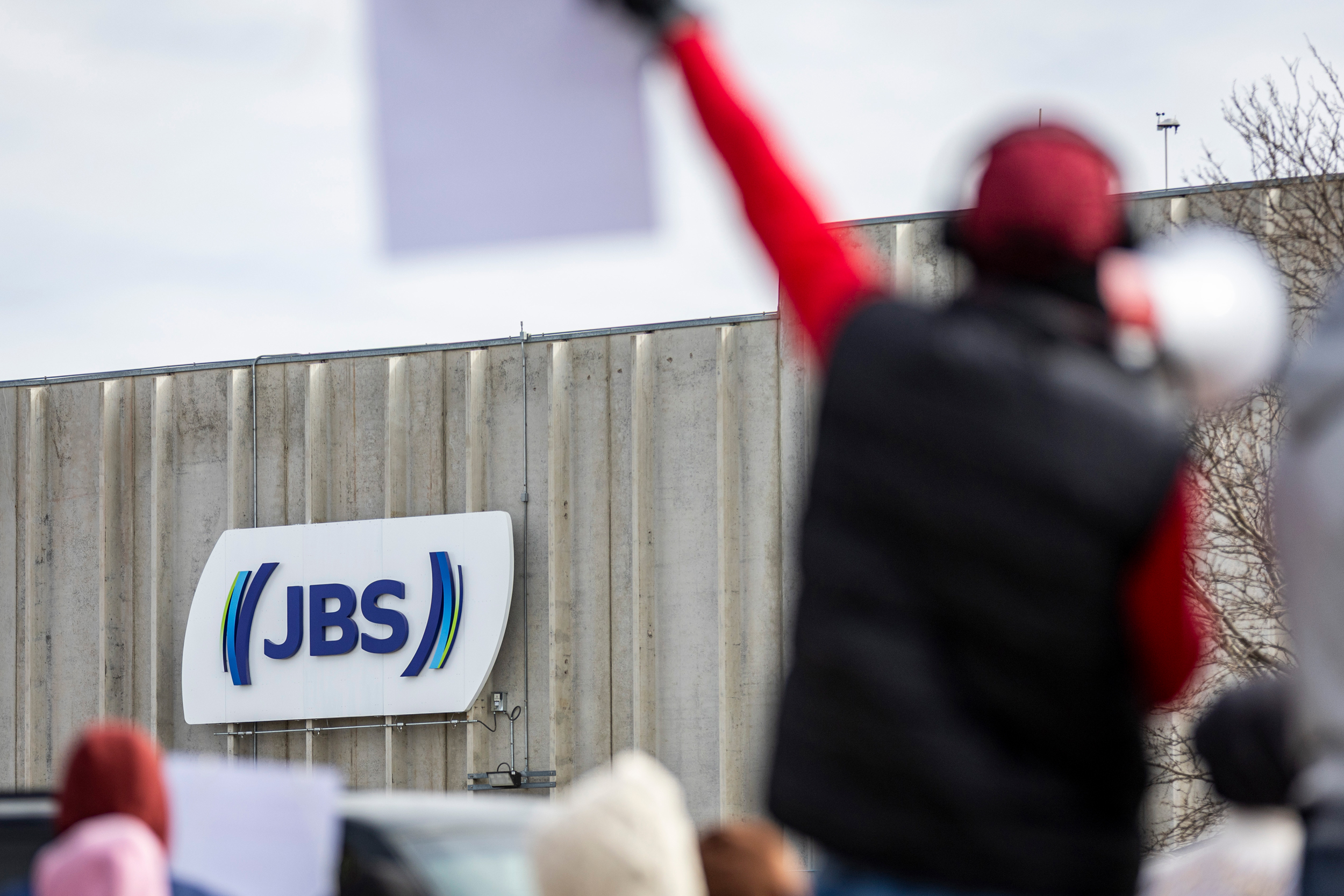
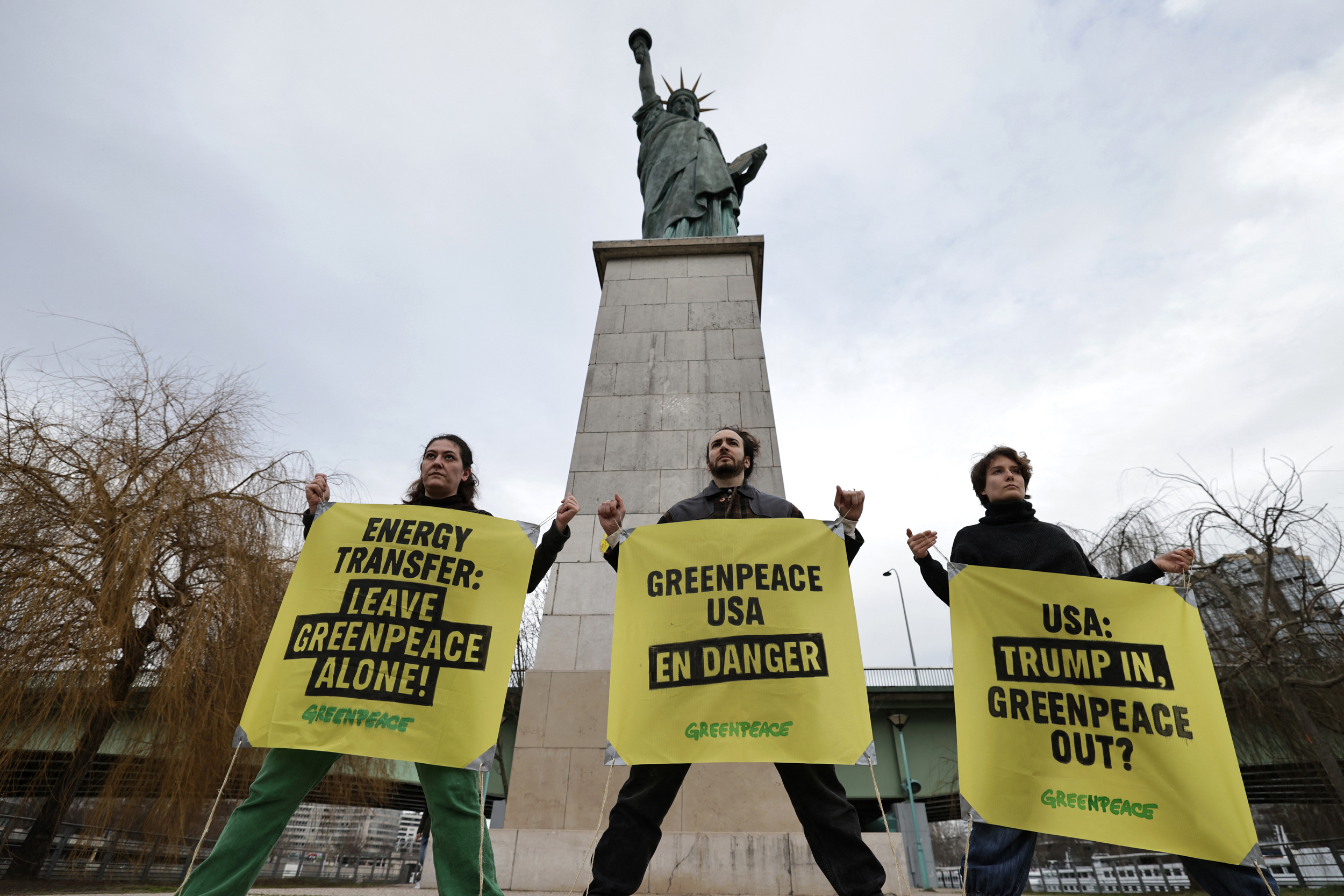
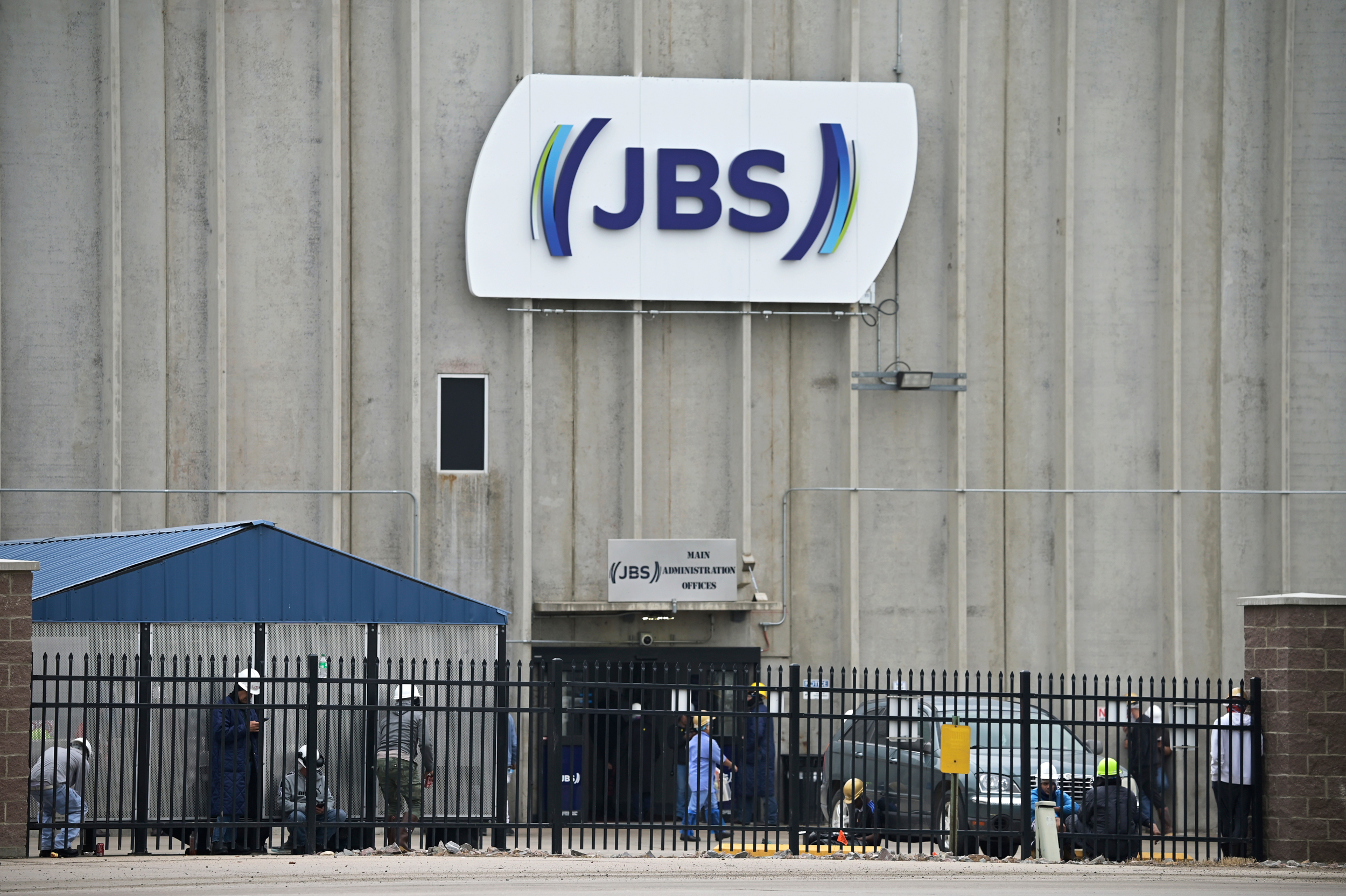
- Greenpeace filed a petition in Dutch courts seeking disclosure from JBS on how its $6bn global expansion complies with Dutch "duty of care" laws and the company's own climate commitments, with lawyers calling it a potential precedent for climate litigation against agriculture.
- JBS plans to invest $2.5bn in six meat-processing plants in Nigeria, with the Niger state government already pledging 1.2 million hectares of land; civil society groups including Youth in Agroecology and Restoration Network say there has been no public consultation or impact assessment.
- JBS was founded in Brazil in 1953, relocated its headquarters to the Netherlands last year to facilitate a New York Stock Exchange listing, and the founding Batista brothers significantly raised their ownership stake as part of the move, according to the Guardian.
- JBS broke its 2025 promise to clean up its Brazilian beef supply chain, scrapped its "net zero by 2040" pledge, and excluded indirect emissions — primarily methane from cattle — from its latest sustainability report.
- Greenpeace International legal counsel Richard Brown said the petition is a preliminary step toward formal litigation and that the group suspects JBS is "flying blind" on the impacts of its expansion model.
- JBS declined to comment, telling the Guardian it "does not comment on potential legal proceedings of which it has not been notified."
Why it matters: JBS relocated to the Netherlands specifically to access international capital markets and a U.S. listing — and in doing so exposed itself to Dutch transparency and "duty of care" rules that civil society is now using as leverage. The $2.5bn Nigeria push, backed by 1.2 million hectares in Niger state alone, would lock in major methane emissions and land-use change before any impact assessment has been published, and similar lawsuits have so far only targeted fossil fuel companies like Shell and TotalEnergies, making agriculture the next frontier.
Ask SkimNews