Procurement Is the Overlooked Lever in Electrification Programs — SkimNews

Get the Energy newsletter
Daily energy & climate — solar, EVs, oil, the policy fights and tech bets shaping the transition. Free.
- Franklin Energy argues most contractor-installed utility electrification programs lack a procurement strategy, resulting in fragmented purchasing across dozens to hundreds of buyers that limits pricing consistency and collective buying power.
- Trade Ally Supply aggregates purchasing volume across participating contractors to deliver greater buying power, more consistent pricing and earlier visibility into purchasing activity while preserving existing contractor and local distributor relationships.
- Traditional programs typically surface product-level purchasing data only after installation and incentive applications are processed, leaving program teams looking backward rather than managing budgets and forecasting in real time.
- Direct install and income-qualified programs stand to benefit most because utilities already fund equipment purchases through fixed contractor compensation, making centralized procurement a way to lower equipment costs without changing the funding model.
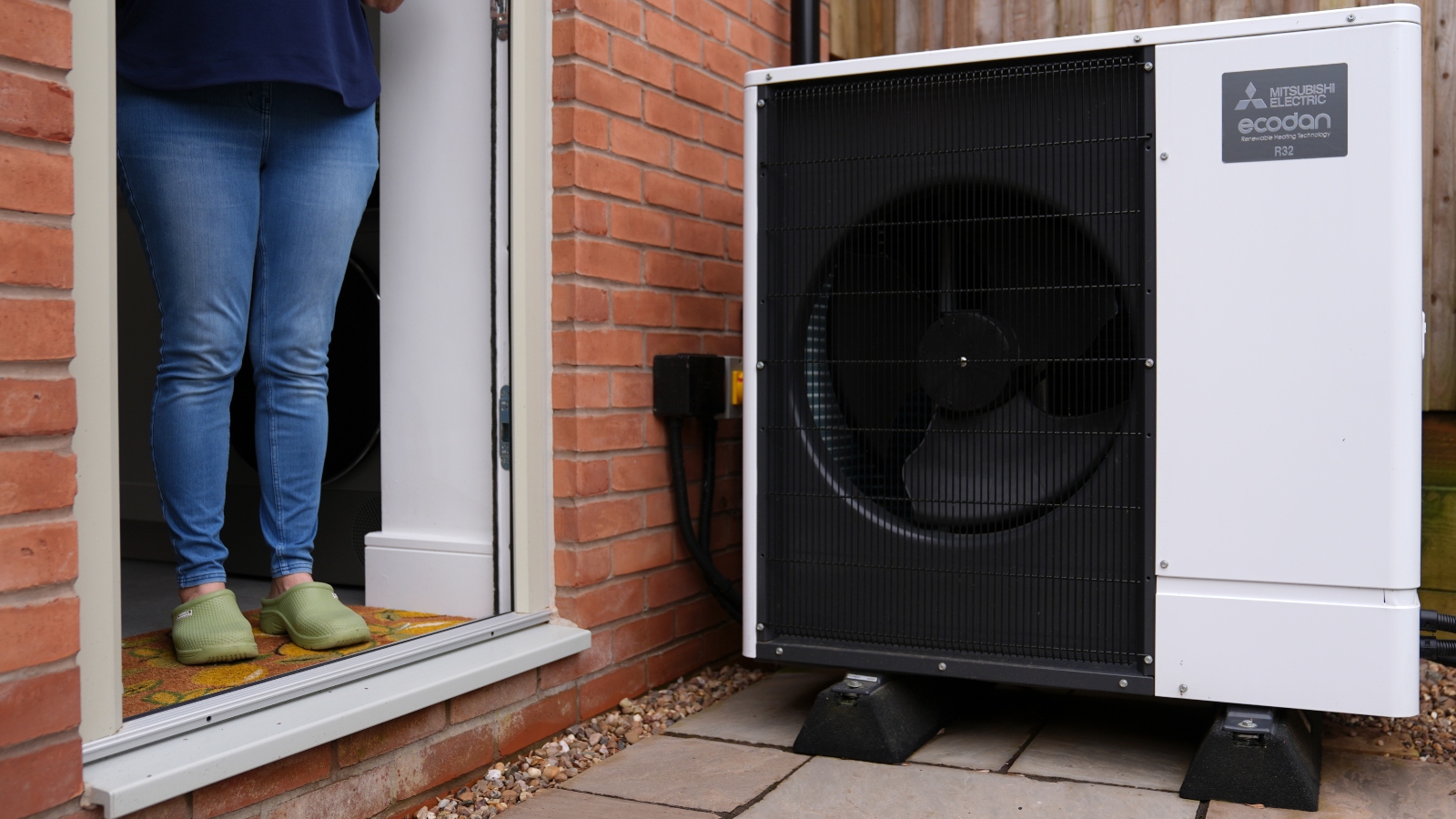
- Franklin Energy is promoting a downloadable Trade Ally Supply Playbook and a webinar, "From Readiness to Reality: Designing Electrification Programs That Perform," targeting utilities designing or managing electrification rollouts for measures like air source heat pumps and heat pump water heaters.
- The piece frames electrification as driven by growing electricity demand, evolving customer expectations, grid flexibility needs and the push to balance affordability with reliability.
Why it matters: If utilities adopt aggregated procurement for contractor-installed programs, ratepayer-funded equipment dollars could stretch further through volume pricing and earlier cost data — a direct lever on affordability at a time when electrification is driving up program budgets for technologies like heat pumps.
Ask SkimNews