ELIZA Creator Spent Life Warning Us About AI Delusion — SkimNews
Get the Tech newsletter
Daily tech — startups, AI labs, chips, the launches that shape the next decade. Free.
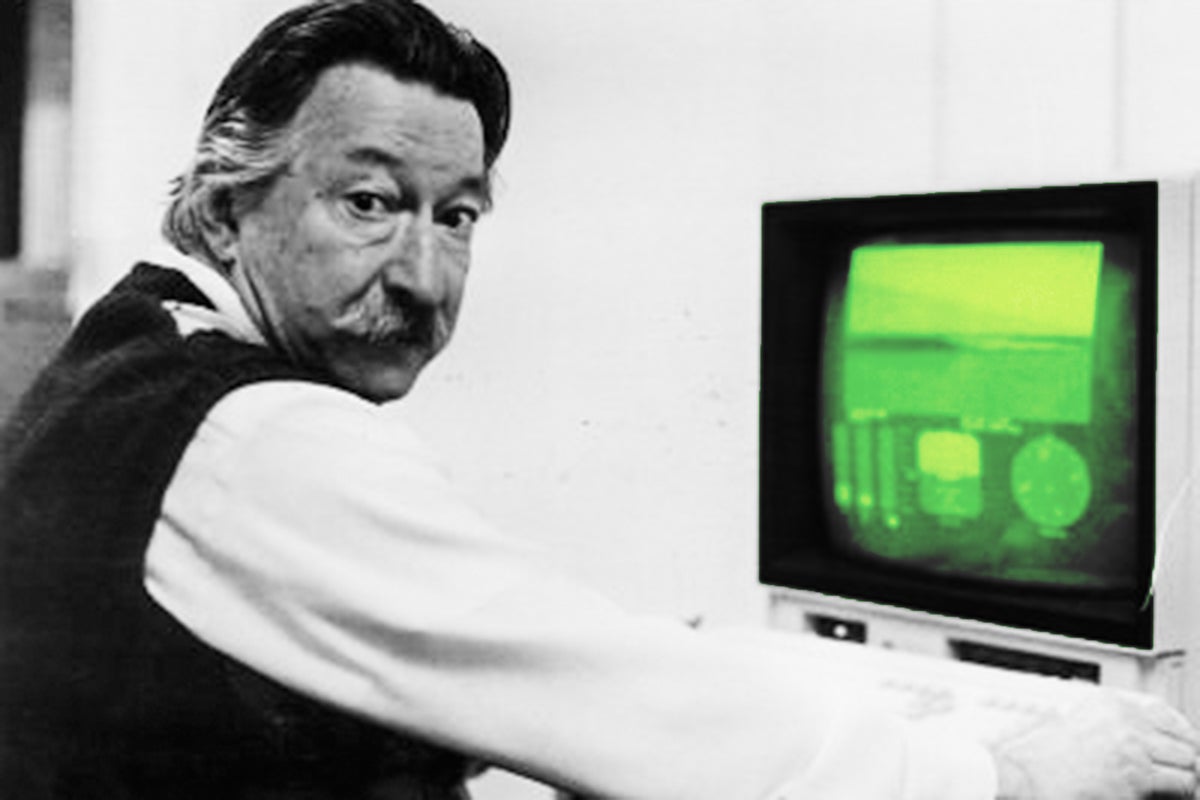
- Joseph Weizenbaum created ELIZA at MIT in 1966, scripting it to parody a Rogerian psychotherapist by mirroring patients' words back to them
- Weizenbaum quickly discovered even brief ELIZA conversations triggered 'powerful delusional thinking' in users — a phenomenon now known as the ELIZA effect
- Weizenbaum spent the rest of his career condemning chatbot therapy, calling the continued belief in it an 'obscene idea' in a 1986 interview
- Jeff Shrager, a cognitive scientist, helped recover ELIZA's lost original script, contributing to the new MIT-published essay collection Inventing ELIZA
- ELIZA ran on symbolic, rule-based logic — a stark contrast to the neural-network chatbots like ChatGPT and Claude that nearly 1 billion people now use as emotional confidants
Why it matters: The recovery of ELIZA's original MIT script confirms Weizenbaum's warning about delusional attachment to chatbots wasn't hindsight — it was his 1966 lab observation, documented decades before today's emotional dependency on AI. He spent a lifetime trying to talk the world out of treating machines as therapists, and the world did not listen.
Ask SkimNews