US-Saudi Nuclear Deal Drops 'Gold Standard' Safeguards — SkimNews
Get the Geopolitics newsletter
Daily geopolitics — wars, elections, sanctions, the diplomatic moves that move markets. Free.
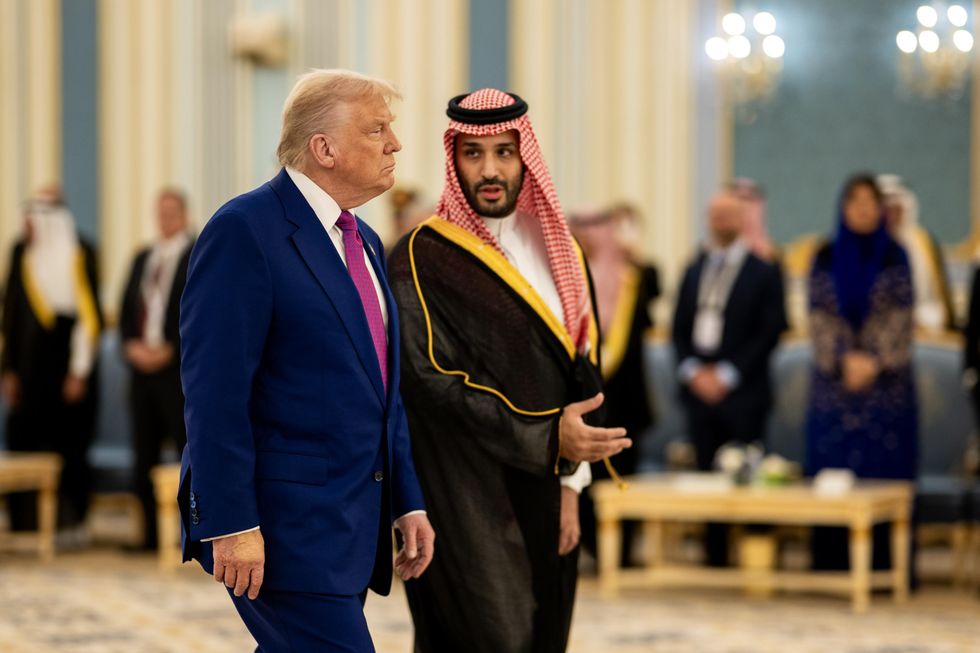
- Trump approved a US-Saudi civil nuclear agreement structured under the 123 Agreement, worth tens of billions of dollars over 30 years, that allows Saudi Arabia to enrich uranium on its own soil — though it still requires US Congressional approval.
- The pact reportedly drops the 'Gold Standard' non-proliferation commitments — barring enrichment and reprocessing of spent fuel — that originated with the 2009 US-UAE deal, and does not mandate the IAEA Additional Protocol for intrusive inspections, with safeguards instead to be negotiated bilaterally between Washington and Riyadh.
- Defense expert Sandeep Unnithan told India Today the arrangement 'leaves open the possibility of an unsupervised Saudi Arabian nuclear weapons programme,' while Crown Prince Mohammed bin Salman told CBS in 2018 that if Iran goes nuclear, Saudi Arabia 'will follow suit as soon as possible.'
- Israel raised alarm, with Heritage Minister Amichay Eliyahu vowing to halt a Middle Eastern nuclear weapon 'because we can't rely on it for the long term,' former defense minister Avigdor Liberman noting 'every military nuclear programme starts as a civilian programme,' and former PM Ehud Barak saying enrichment would only be acceptable as part of normalization with strict US oversight.
- The Trump administration delinked the nuclear deal from Saudi-Israeli normalization, breaking with Biden's approach of tying civil nuclear cooperation to Riyadh recognizing Israel and a broader US defense pact.
- Saudi Arabia and Pakistan signed a new mutual defense treaty in 2025 reportedly placing Riyadh under Islamabad's nuclear umbrella, reviving speculation about deeper cooperation if Saudi Arabia chose to pursue a bomb.
- Saudi Arabia is believed to have struck a covert arrangement with Pakistan during Zia-ul-Haq's rule in the 1980s, funding Islamabad's nuclear weapons program in exchange for potential access to six to eight warheads in a major regional crisis.
Why it matters: The deal abandons the non-proliferation conditions the US extracted from the UAE in 2009, giving Saudi Arabia a legal path to enrich uranium domestically. With Pakistan — a proven nuclear state and the beneficiary of long-reported Saudi funding — now bound to Riyadh by a 2025 mutual defense treaty, the external partner most capable of helping Saudi weaponize is already treaty-aligned with the Kingdom.
Ask SkimNews