Will not allow illegal oil shipments from Iran, U.S. tells India — SkimNews

Get the Geopolitics newsletter
Daily geopolitics — wars, elections, sanctions, the diplomatic moves that move markets. Free.
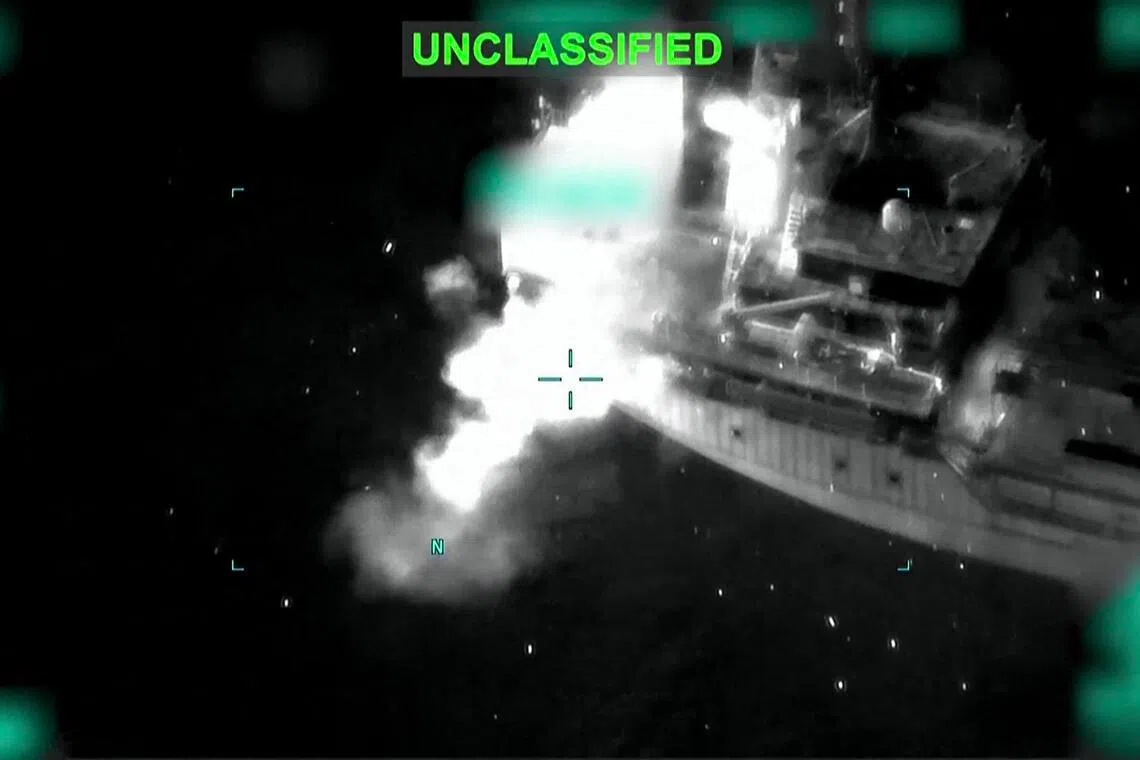
- India summoned U.S. Embassy representative Jason Meeks on June 12, 2026, and lodged a 'strong protest' against U.S. Navy missile attacks on ships carrying Indian crew.
- Secretary of State Marco Rubio told External Affairs Minister S. Jaishankar that violations of the American blockade and 'illicit transport of Iranian oil' would not be tolerated, the U.S. State Department said.
- Jaishankar said on X that the attacks, which killed three Indian mariners, were 'not justified,' calling lethal actions against commercial shipping unacceptable.
- U.S. Central Command said the crews of all three struck vessels — Marivex near Duqm, and Settebello and Jalveer near Shinas — had 'repeatedly failed to comply with directions from U.S. forces.'
- Settebello's management company IOS Marine FZE flatly contradicted Centcom, stating no warnings were issued and the vessel had been stationary off Shinas port for nearly 10 days before the June 8 strike.
- Shashi Tharoor, head of the Parliamentary Standing Committee on External Affairs, called the U.S. response deeply insensitive for offering 'absolutely no expression of regret or condolence' for the loss of Indian lives.
- The diplomatic divergence comes days before PM Modi's scheduled meeting with President Trump in France on the sidelines of next week's G7 summit.
Why it matters: With three Indian nationals dead and India publicly branding U.S. strikes 'not justified,' the strategic partnership faces a sharp credibility test on the eve of a Modi-Trump G7 meeting — and Washington is using the crisis to press India to stop importing Iranian oil, putting Delhi's energy needs against its security relationship.
Ask SkimNews