Agilian Technology Bounces Back After US Tariff Freeze — SkimNews
Get the Geopolitics newsletter
Daily geopolitics — wars, elections, sanctions, the diplomatic moves that move markets. Free.
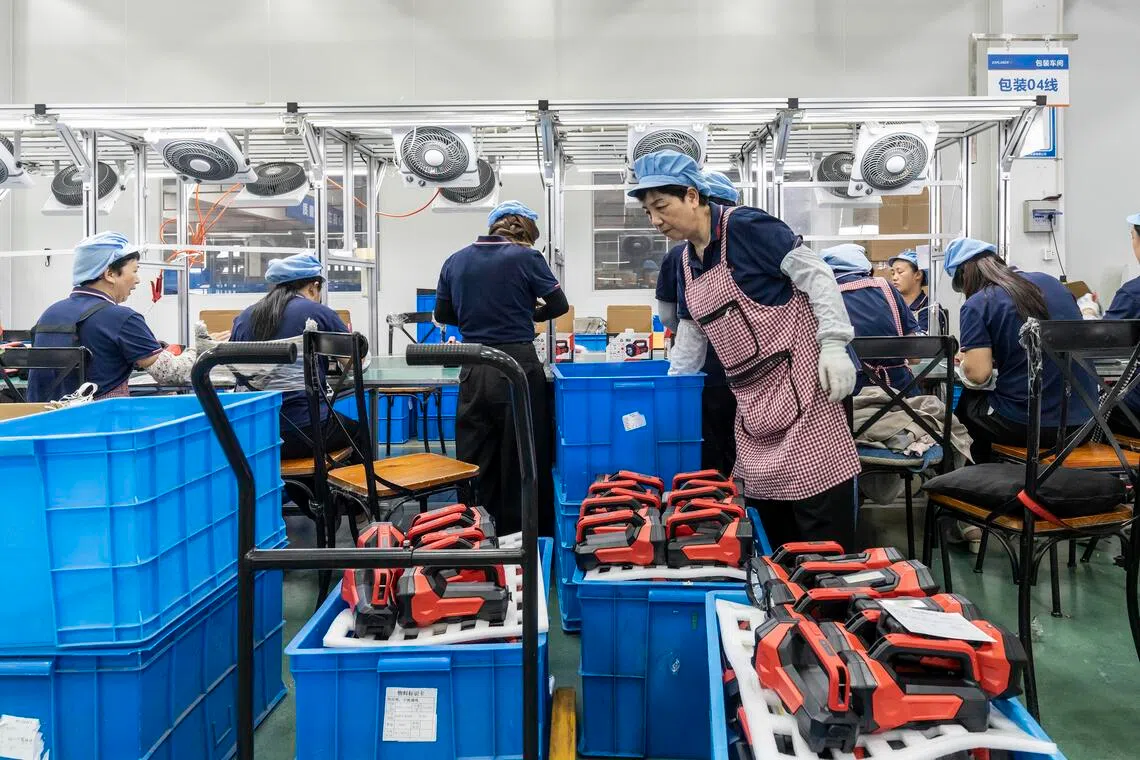
- Agilian Technology saw its US orders—accounting for over half its revenue—frozen for months after Trump’s tariffs, prompting clients to demand production outside China.
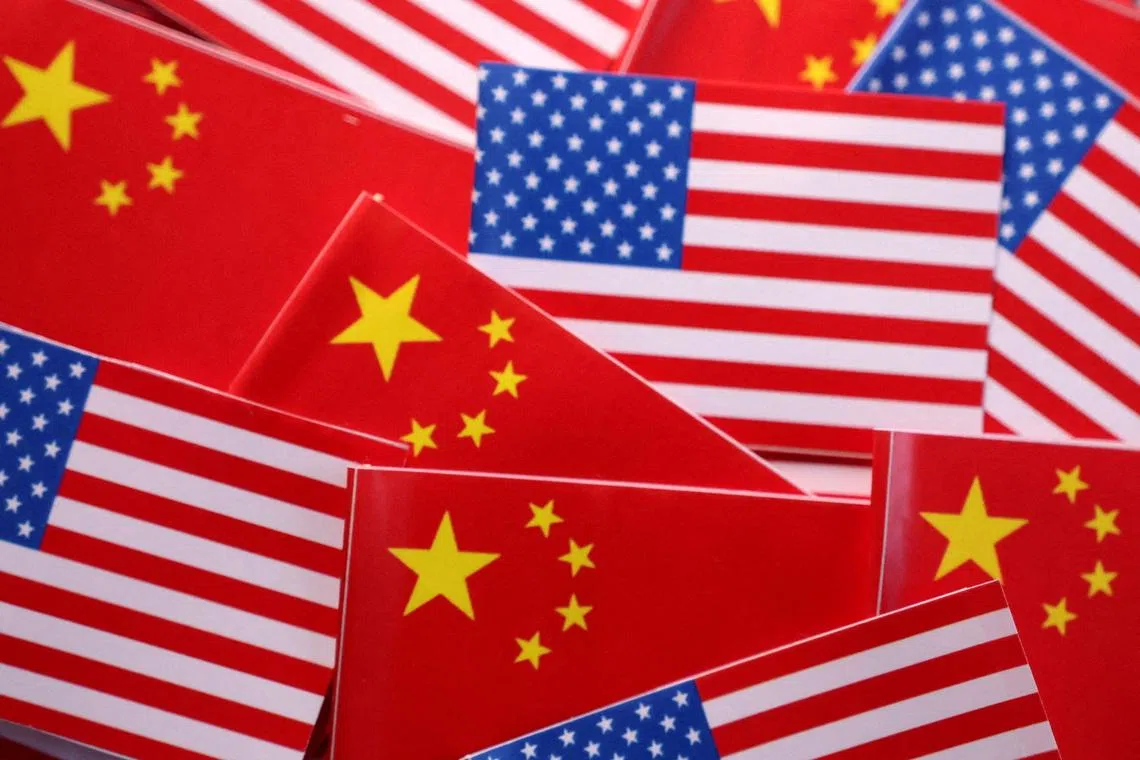
- China retaliated with export controls on minerals and metals, which helped lower levies and spurred its PMI to its fastest growth in a year by March 2025.
- Agilian partnered in Penang, Malaysia, explored a Dharwad, India facility, but faced delays and higher costs, keeping its Dongguan plant as its core manufacturing base.
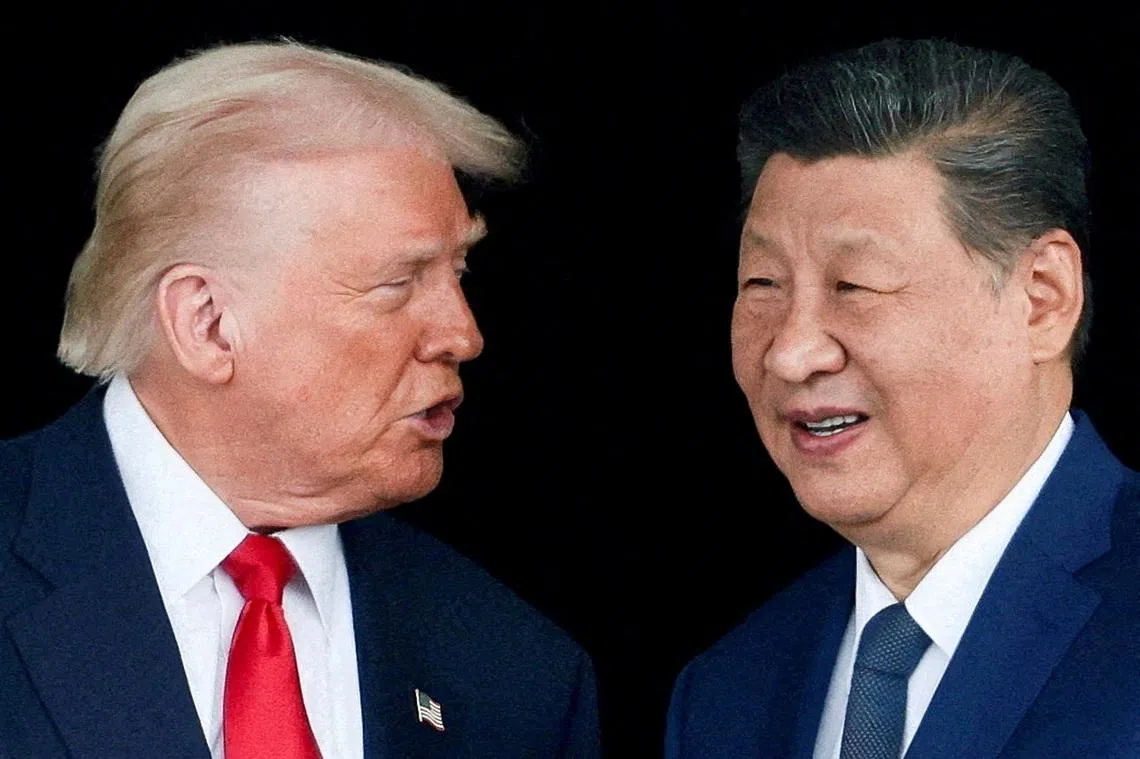
- Trump and Xi held an October 2025 meeting that cut tariffs by 10 percentage points, after which Agilian’s second‑half‑2025 production hours rose 29 % and frozen orders were revived.
- China's trade surplus grew to US$213.6 billion in the first two months of 2026, up from US$169.21 billion a year earlier, while US exports fell 20 % in 2025, hurting manufacturers like Agilian.
- Fabien Gaussorgues said Agilian will keep developing India and Malaysia facilities as an insurance policy, yet the falling cost and rising quality of Chinese components make its Dongguan base indispensable.
- Denis Depoux of Roland Berger called China’s rare earths a “nuclear weapon of trade,” highlighting the strategic leverage of export controls.
Why it matters: American brands regain supply continuity while Chinese manufacturers like Agilian preserve revenue streams, but US importers still confront higher costs from lingering tariffs and offshoring delays; the episode shows that China’s export‑control leverage can blunt tariff impact, reshaping trade‑linkage structures.
Ask SkimNews