Trump aides push Iran war pause until November midterms — SkimNews

Get the Geopolitics newsletter
Daily geopolitics — wars, elections, sanctions, the diplomatic moves that move markets. Free.
- White House aides are pressing to keep the Iran war contained before the November 3 midterm elections to stem Republican electoral losses, with Vice President J.D. Vance and Secretary of State Marco Rubio backing the approach, according to four people familiar with the discussions.
- U.S. and Iranian forces traded strikes over the weekend — the U.S. hit rocket launchers on Iran's Larak Island, Iran fired missiles at Jordan and the UAE, and the U.S. struck more targets near the Strait of Hormuz on Tuesday in the biggest outbreak of fighting since July.
- American public opinion shows just 31% approve of the war while 63% disapprove, per a late August Reuters/Ipsos poll; Trump's approval has fallen from 40% to 33% since the conflict began, with gas prices a particular flashpoint.
- Military logistics are forcing restraint — the U.S. has used "virtually all" of certain precision missiles, and the heads of the Army, Navy and Air Force warned Defense Secretary Pete Hegseth in writing that prolonging the war was unsustainable and would damage readiness in other theaters.
- The administration is pivoting to economic pressure, threatening sanctions on countries trading with Iran and maintaining the Strait of Hormuz blockade, though Treasury Secretary Scott Bessent warned the campaign could itself trigger military retaliation and China has refused to join the isolation effort.
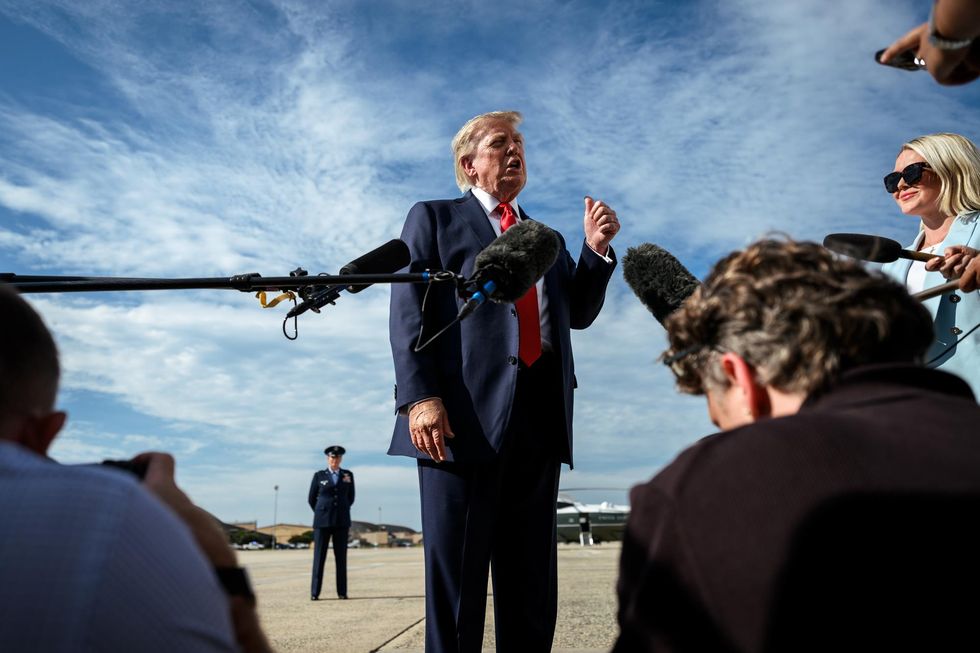
- Trump posted on Truth Social on September 1 that if it retaliates, it "will be hit again at a much harder and higher level" — underscoring the unpredictability that sources flagged as the strategy's biggest wild card.
Why it matters: With 63% of Americans disapproving and Republicans defending thin congressional majorities, the White House is openly subordinating wartime decisions to electoral math rather than battlefield conditions — and a military that has burned through "virtually all" of certain precision missiles cannot sustain a full-scale escalation after November regardless of what Trump decides. Gulf allies who earlier pushed for aggression are now urging de-escalation, meaning even the administration's regional partners have lost appetite for the fight.
Ask SkimNews