Seed-Sized Injectable Device Treats Chronic Pain Wirelessly — SkimNews
Get the Health newsletter
Daily health & science — research, biotech, public health, the studies worth knowing. Free.
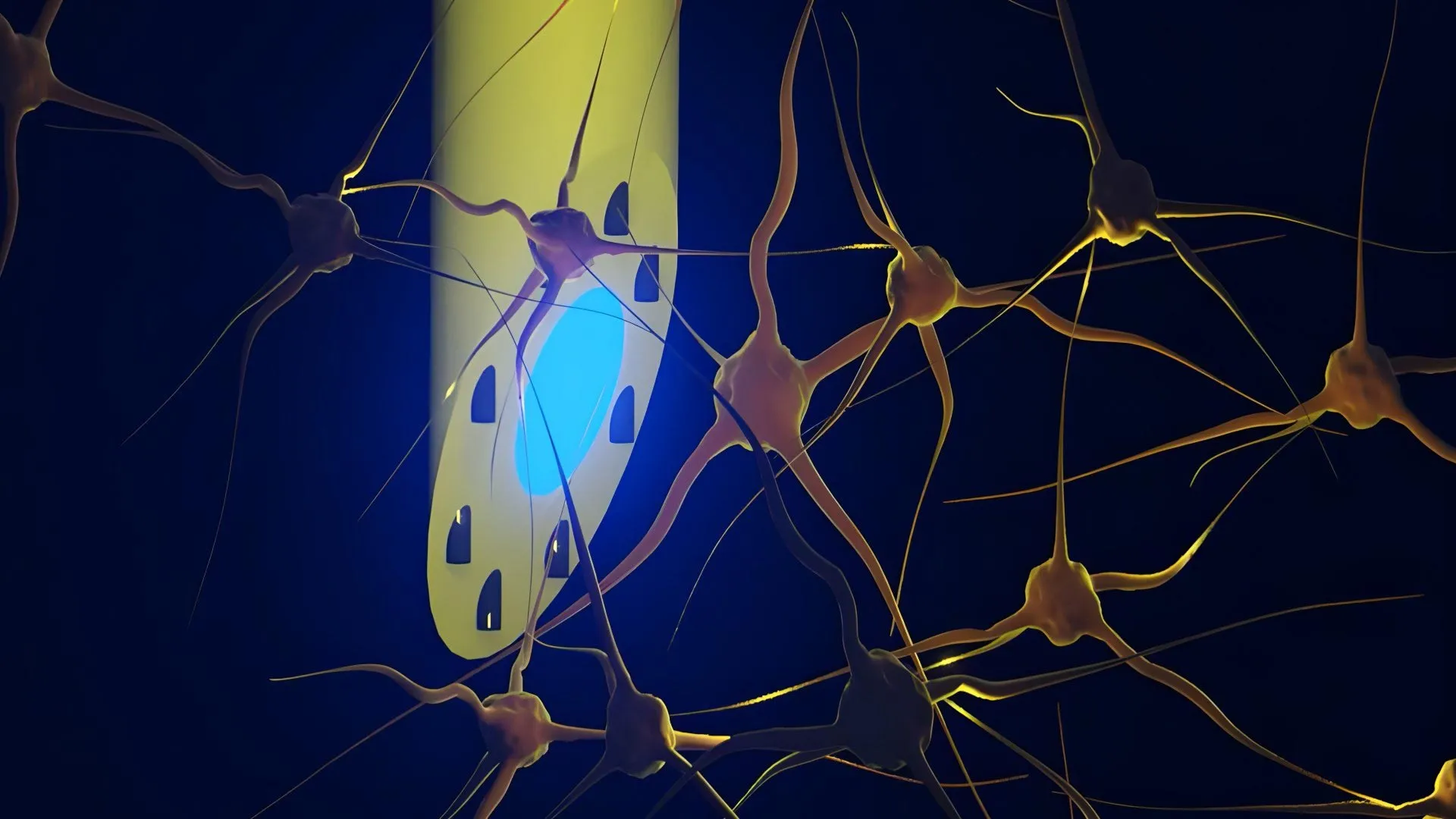
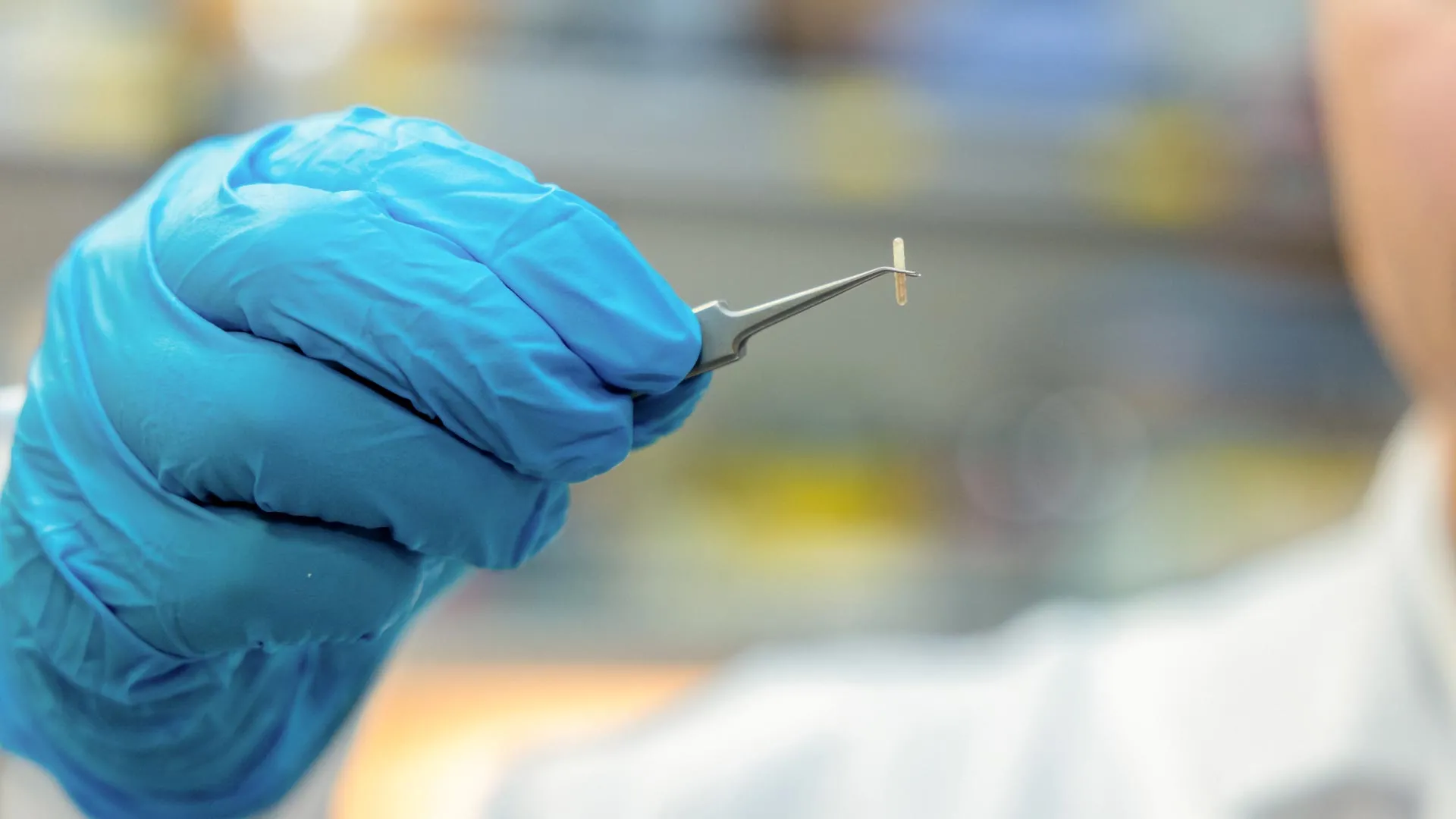
- NYU Abu Dhabi and Cleveland Clinic Abu Dhabi researchers developed a seed-sized device deliverable through a standard needle that regulates nerve activity without surgery, batteries, or connecting wires.
- The device draws power wirelessly from outside the body, and doctors can adjust stimulation in real time once it is positioned near a targeted nerve.
- The implant can be located and monitored using familiar imaging techniques including ultrasound and CT scans, and delivers programmable electrical stimulation tailored to individual patient needs.
- Researchers demonstrated the device could activate nerves in vivo in preclinical testing, though the source notes its ability to relieve chronic pain or improve movement disorders in humans has not yet been established.
- Prof. Khalil Ramadi, the study's senior author and Assistant Professor of Bioengineering at NYU Abu Dhabi and NYU Tandon, called the work "a shift in how we think about treating nerve-related conditions."
- The findings were published in Science Advances (DOI: 10.1126/sciadv.aeg1437) with Dr. Mohamed Elsherif of NYU Abu Dhabi as first author.
Why it matters: Current nerve-stimulation therapies for chronic pain and movement disorders require surgical implantation of battery-powered hardware, a barrier that excludes many candidates due to procedure risk and recovery time. A needle-injectable, wirelessly powered alternative that skips the operating room could broaden patient access to precise neuromodulation — but only after clinical trials confirm the preclinical in-vertebrate results transfer to humans.
Ask SkimNews