Isle of Wight Fossil Named Europe's First Megaraptoran — SkimNews

Get the Health newsletter
Daily health & science — research, biotech, public health, the studies worth knowing. Free.
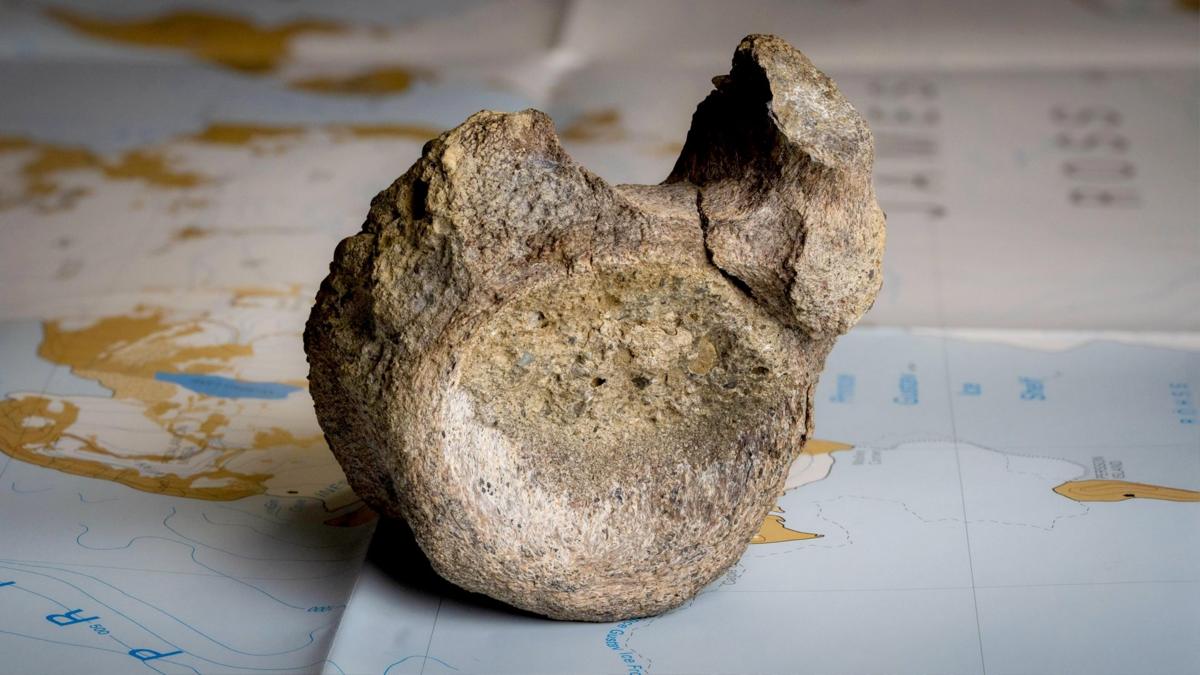
- Invictibellatrix amberina has been described as a new predatory dinosaur species related to Tyrannosaurus rex, based on a partial braincase the Natural History Museum in London acquired from Reverend Reginald Hooley in 1924.
- Cassius Morrison of the University of Leeds and colleagues used CT scans to build a 3D model of the braincase, which had sat unstudied in the museum's archives for roughly a century after being recovered from 120-million-year-old Lower Cretaceous rocks on the Isle of Wight.
- The closest match was the Argentinian megaraptoran Murusraptor, dating to about 80 million years ago — making Invictibellatrix the first megaraptoran ever identified in Europe, according to the paper in Royal Society Open Science.
- Morrison's team estimates the agile, two-legged carnivore was 3–4 metres long, 1.5 metres tall, and weighed 200–300 kg, likely sporting feathers and 10–20 cm claws for hunting small dinosaurs, lizards, and mammals.
- Morrison proposes megaraptorans dispersed from Asia into Europe roughly 130 million years ago before radiating onward to Africa, South America, and Australia as the continents split — a scenario that would unify the group's scattered fossil record.
- Jake Kotevski of Monash University said the find "plugs a significant gap" linking Asian, Australian, and South American megaraptorans via Europe and Africa, but cautioned more fossils are needed to confirm the classification.
Why it matters: The Isle of Wight specimen, if confirmed as a megaraptoran, becomes the first of its group identified in Europe — linking Asian, South American, and Australian fossils into a single dispersal narrative across former Gondwanan landmasses. It also shows a 100-year-old museum specimen can still reframe established evolutionary timelines.
Ask SkimNews