Novo Nordisk Sues Eli Lilly Over 'Deceptive' GLP-1 Ads — SkimNews

Get the Health newsletter
Daily health & science — research, biotech, public health, the studies worth knowing. Free.
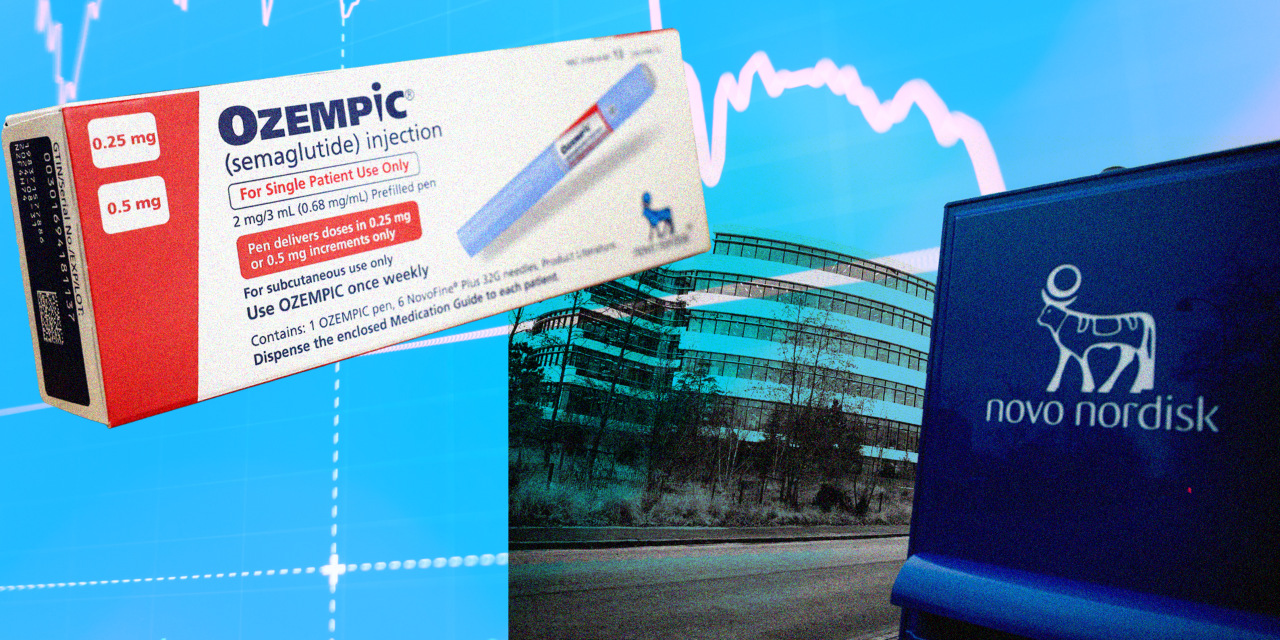
- Novo Nordisk sued Eli Lilly on Tuesday in federal court in New Jersey, alleging a "deceptive" advertising campaign targeting consumers nationwide
- Eli Lilly's campaign compared the highest doses of its Zepbound (weight loss) and Mounjaro (diabetes) against lower doses of Novo's Wegovy and Ozempic, according to the complaint
- John Kuckelman, Novo's general counsel and senior vice president, accused Lilly of "intentionally confusing consumers" and described the conduct as a "nationwide pattern"
- The suit centers on four blockbuster GLP-1 drugs — Lilly's Zepbound and Mounjaro versus Novo's Wegovy and Ozempic — that have driven one of the pharmaceutical industry's most intense rivalries
- Novo argues the ads rely on "outdated clinical trials" that distort how the competing obesity and diabetes treatments stack up against each other
Why it matters: The lawsuit escalates the Novo-versus-Lilly rivalry from market competition into a legal fight over comparative advertising for GLP-1 obesity and diabetes drugs. A federal ruling could force changes to how Zepbound, Mounjaro, Wegovy, and Ozempic are marketed to consumers at a time when direct-to-consumer promotion has been central to building demand.
Ask SkimNews