China Is Iran's Wartime Lifeline as US Sanctions Widen — SkimNews

Get the Geopolitics newsletter
Daily geopolitics — wars, elections, sanctions, the diplomatic moves that move markets. Free.
- China is Iran's largest oil customer, accounting for 13-14% of its oil imports before the war, and independent Chinese refineries have kept purchases flowing as a key revenue source through US-led sanctions.
- Washington has widened sanctions against Chinese companies, traders, and logistics networks tied to Iranian oil and sensitive technology, with officials examining allegations that Chinese entities supplied satellite imagery linked to an Iranian strike on a US facility in Jordan.
- Recent reporting describes dual-use component shipments from Chinese suppliers to Iran, including electronics and items that can support military systems and drone production; China has rejected the satellite-imagery accusations, and Trump has publicly played down the issue.
- Chinese Foreign Minister Wang Yi told his Iranian counterpart that Beijing would safeguard Iran's "legitimate rights and interests" while urging both Tehran and Washington to show restraint and return to negotiations.
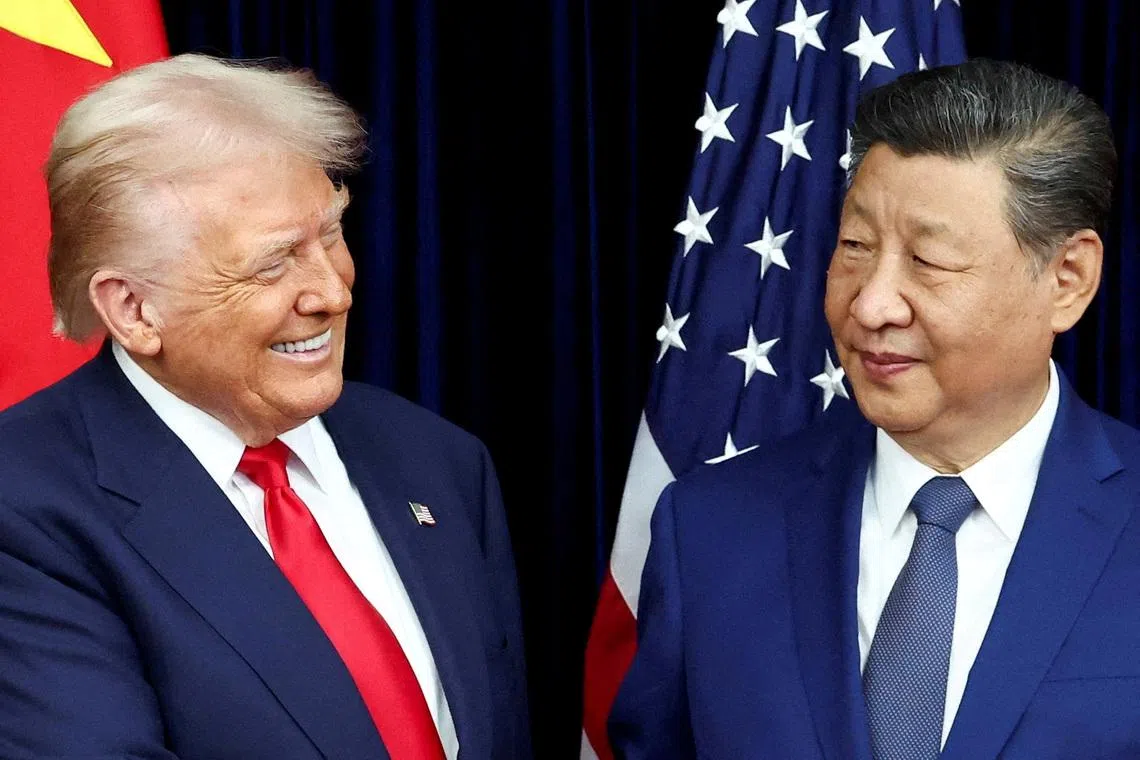
- Beijing has opposed militarization of the Strait of Hormuz, where its dependence on Middle Eastern oil gives it a shared interest with Washington in keeping energy flowing — a position Trump and Xi Jinping previously aligned on.
- China has not entered the war as Iran's military ally and maintains substantial economic ties to Saudi Arabia, the UAE, and other Gulf states, placing hard limits on any open-ended commitment to Tehran.
Why it matters: The source frames a tightening strategic bind: every US move to sanction Chinese entities over Iran risks converting the war into a broader economic confrontation with Beijing, while Beijing's own Gulf ties constrain how far it can back Tehran — meaning the war's trajectory is now shaped as much by Chinese enforcement limits as by Iranian battlefield outcomes.
Ask SkimNews