How a billion-dollar sanctions dodge kept Chinese goods flowing to Iran — SkimNews
Get the Geopolitics newsletter
Daily geopolitics — wars, elections, sanctions, the diplomatic moves that move markets. Free.
- Iran has used a barter-like arrangement in which Chinese credits, funded by Iranian oil purchases, are used to buy billions of dollars in goods from China — including medicines, vehicles, communications equipment and at least one air defense contract worth millions — per two senior Iranian sources and three others.
- China accounts for more than 80% of Iran's shipped oil in 2025, averaging 1.4 million barrels per day, and is the main buyer keeping Tehran's crude flowing despite decades of US sanctions, according to commodities firm Kpler.
- Funds from a buyer acting for Chinese state-owned trader Zhuhai Zhenrong are deposited — in amounts of hundreds of millions of dollars per month — into an obscure China-based entity called ChuXin, which then routes roughly 70% to Iran infrastructure projects and the rest into a previously undisclosed special purpose vehicle paying Chinese goods suppliers.
- An estimated $2 billion to $2.5 billion flowed through the SPV over the last year, with its funds managed by a firm tied to China's Ministry of Commerce and one linked to Iran's central bank; Reuters could find no public registry record of ChuXin, with one source suggesting it 'might only exist on a spreadsheet.'
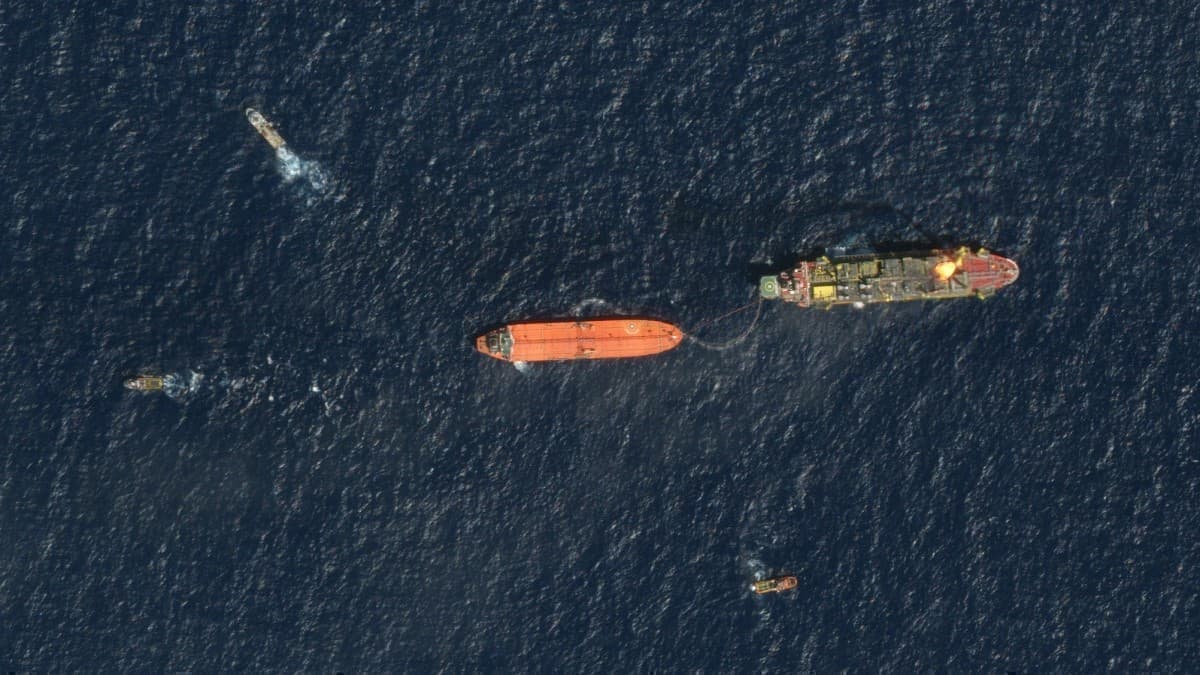
- The US naval blockade reinstated on July 14 has halted Iranian crude transiting the Strait of Hormuz to China, but Reuters could not determine whether the barter mechanism itself is affected.
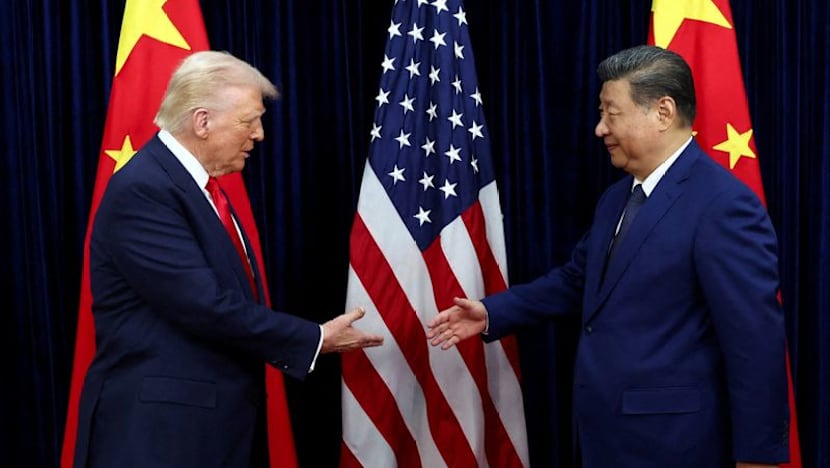
- Treasury Secretary Scott Bessent warned in August that countries must cut business ties with Iran or risk being forced out of the dollar-based financial system; China's foreign ministry told Reuters it was 'not familiar' with the arrangement and reiterated its opposition to unilateral sanctions.
Why it matters: The mechanism routes an estimated $2-2.5 billion a year through a financial vehicle with no public footprint, giving China discounted Iranian oil while shielding its banks and exporters from secondary US sanctions — and the fact that it has also financed air defense gear shows the evasion extends directly into Iran's military procurement, raising the cost of any deal that tries to reopen the Strait of Hormuz.
Ask SkimNews