Israel seized more land from neighbors since 2023 than it has in decades — SkimNews
Get the Geopolitics newsletter
Daily geopolitics — wars, elections, sanctions, the diplomatic moves that move markets. Free.
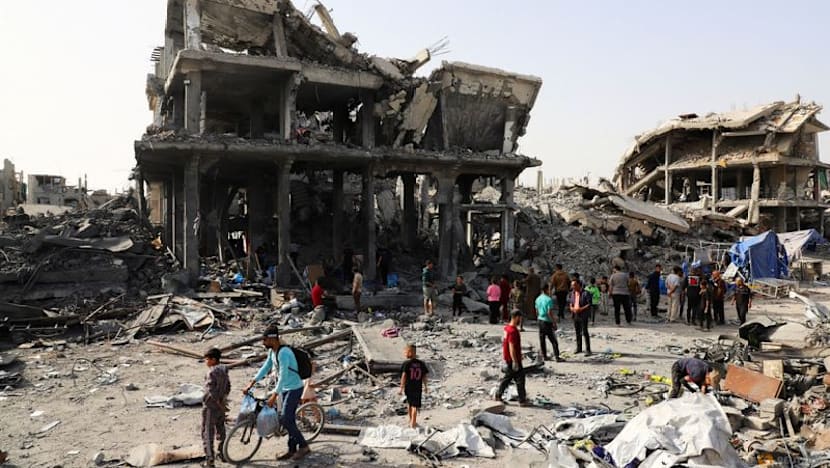
- Israel has taken roughly 1,000 square kilometers (386 sq mi) of land from Gaza, Lebanon, and Syria over the past 2.5 years — its biggest expansion of militarily occupied territory in decades — and says it plans to stay indefinitely in areas it designates 'buffer zones.'
- Israel holds 608 square kilometers in Lebanon per the Carnegie Middle East Center, after a ground invasion launched when the October 2024 ceasefire collapsed in March 2025; about 1.2 million Lebanese have been forced to flee and the Lebanese government has demanded withdrawal.
- Israel now controls more than 60% of Gaza — 194 square kilometers per rights group Gisha — with Prime Minister Netanyahu saying that figure will rise to 70% and the U.S.-brokered ceasefire deadlocked over Hamas disarmament.
- Israel moved troops into the U.N. buffer zone in Syria in December 2024 after President Bashar Assad's fall, seizing 235 square kilometers that the U.N. says violates the 1974 ceasefire agreement; Syria's interim president Ahmad al-Sharaa has called for withdrawal.
- In the West Bank, Israel has approved 47 new settlements and formalized or expanded 55 existing ones since 2022, according to Peace Now, with the surge attributed to settler-aligned officials and a pro-settlement U.S. administration.
- Iran has made Israel's withdrawal from Lebanon a condition for ending its war with the U.S., turning Israel's 'buffer zones' into a direct factor in wider regional diplomacy, while the Lebanese and Syrian governments have both demanded Israel pull back.
Why it matters: The seizures have displaced more than 3 million people across Gaza, Lebanon, and Syria, and the Lebanese and Syrian governments have formally demanded withdrawal. Critically, Iran has tied Israel's pullout from Lebanon to ending its war with the U.S. — meaning what Israel frames as provisional 'buffer zones' roughly equal to 5% of its post-1948 area are now a live negotiating chip in wider regional diplomacy, not just a military posture.
Ask SkimNews