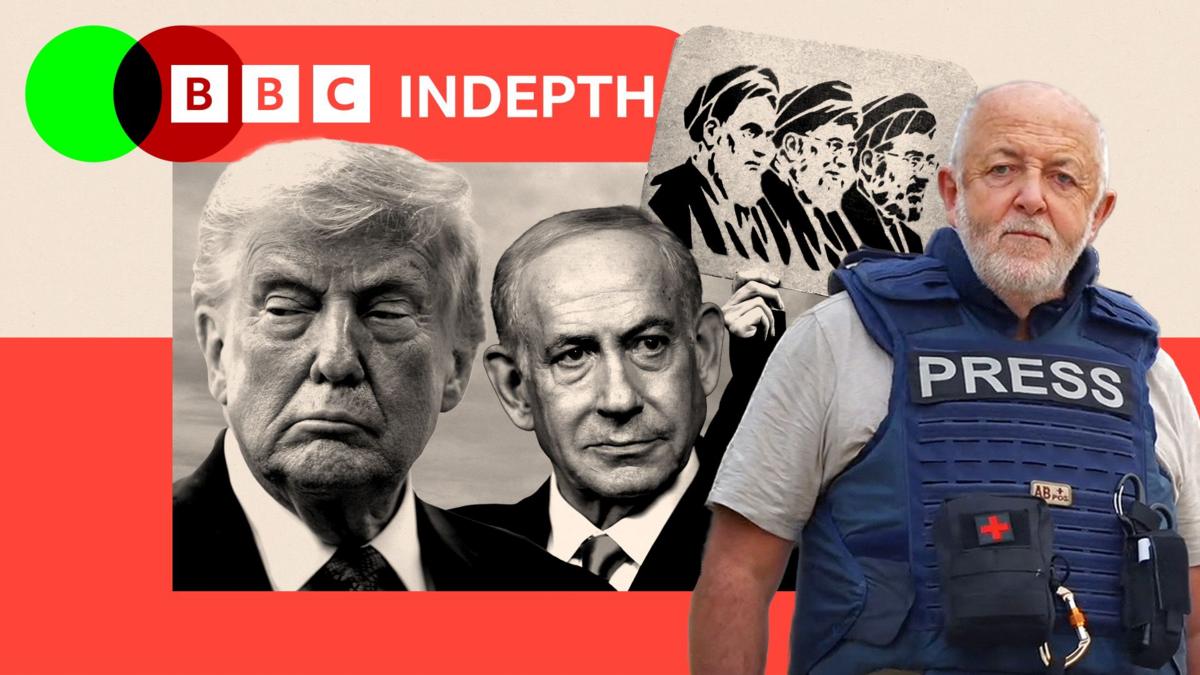
Trump's Iran War: Imagined Victory, Real Costs

Get the Geopolitics newsletter
Daily geopolitics — wars, elections, sanctions, the diplomatic moves that move markets. Free.
- Trump declared Iran's military 'totally obliterated' and demanded unconditional surrender within weeks of a US-Israel assault, claims a Crisis Group op-ed argues played out 'mainly in the U.S. president's mind.'
- Iran has blockaded the Strait of Hormuz and is fighting back, with its resilience fueled by patriotic pride that supersedes many Iranians' hatred of the regime, according to the analysis.
- Netanyahu may have coaxed Trump into the war, but their endgames diverge: Trump wants a deal with a weakened regime while Netanyahu seeks regime change in Tehran.
- Yemen's Houthis have entered the fight on Iran's side, threatening Red Sea commerce and expanding the war's scope.
- Western commentators in the US, Europe and Israel increasingly argue Iran has gained the advantage and that Trump 'has found himself in a trap of his own making.'
- The US public largely does not support the war, and continued fighting could make it a liability for Trump's Republican party in November's midterm elections, the author argues.
Why it matters: Iran's blockade of the Strait of Hormuz and the Houthis' entry into the war are rattling Gulf Arab states and the global economy, while the divergence between Trump's deal-making instincts and Netanyahu's regime-change goal could leave the US mired in another prolonged Middle Eastern war — a fight the American public largely does not support heading into November's midterms.
Ask SkimNews