Modi, Xi Pledge to Resolve Border Dispute at BRICS Summit — SkimNews
Get the Geopolitics newsletter
Daily geopolitics — wars, elections, sanctions, the diplomatic moves that move markets. Free.
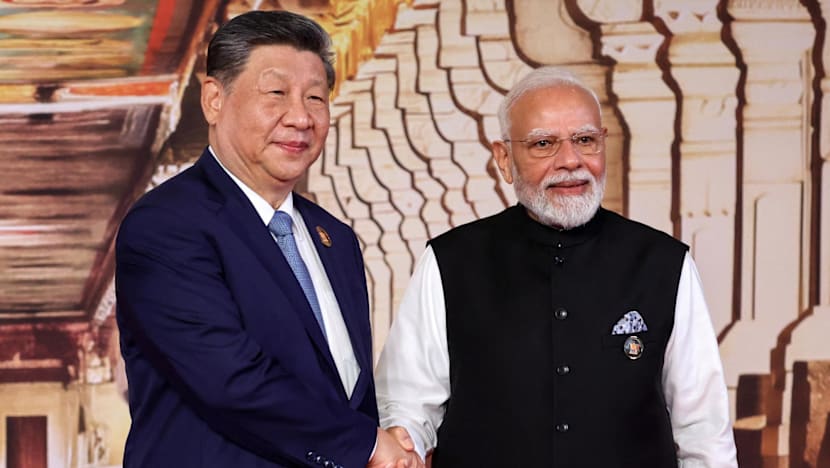
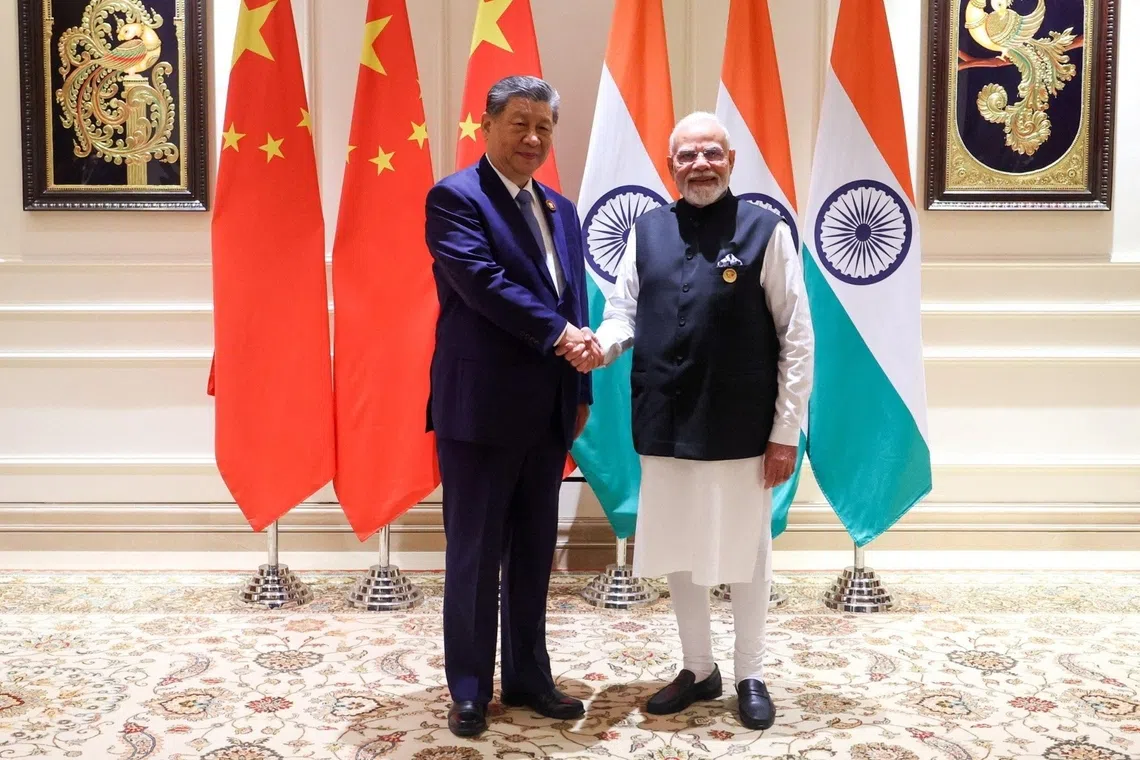
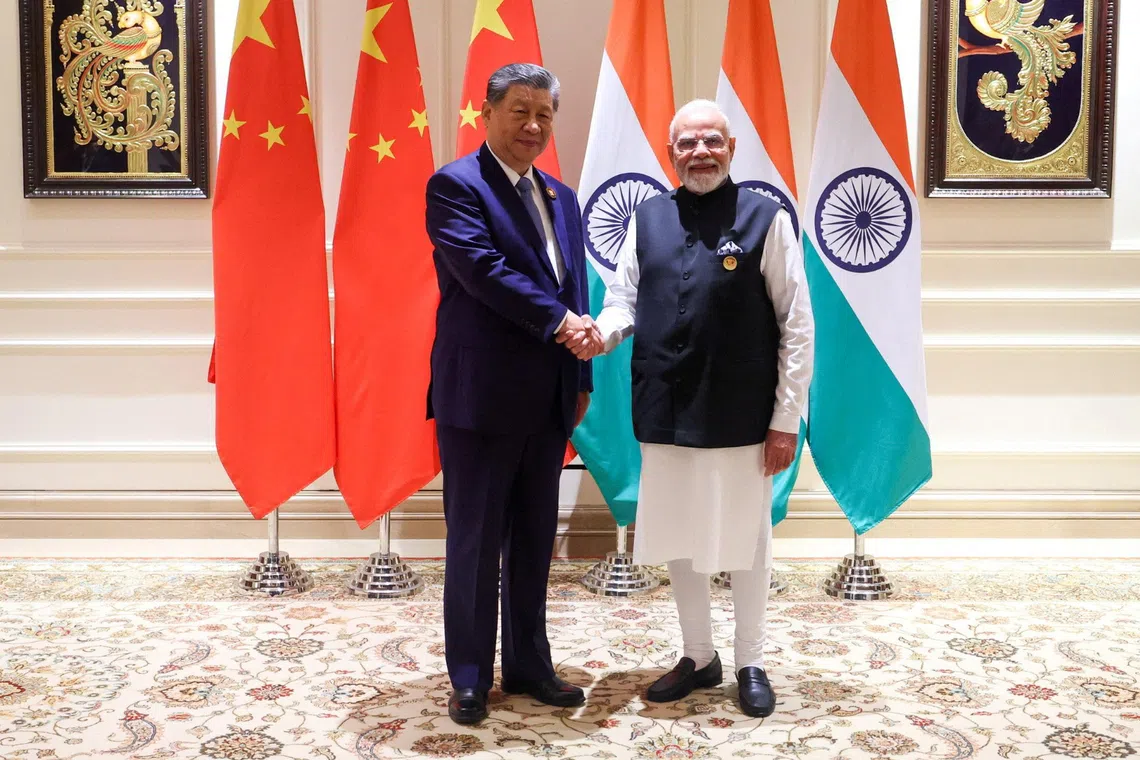
- Modi and Xi met in New Delhi on Sept 12 during the 11-nation BRICS summit, with India's foreign ministry stating both leaders committed to "a fair, reasonable, and mutually acceptable resolution of the boundary question."
- Xi told Modi the two countries are "fully capable of complementing each other's strengths, supporting one another, achieving mutual success and advancing together," while urging an economic globalization that is "open and inclusive."
- India-China bilateral trade reached US$151 billion in the 2025-26 financial year, with India importing US$131 billion from China and exporting just US$19 billion — a record US$112 billion deficit heavily tilted toward Beijing.
- Both leaders "underlined the need to address each other's concerns, including structural trade imbalance and supply chain issues, and facilitation of meaningful and predictable market access," per India's foreign ministry.
- The meeting marks Xi's first visit to neighboring India since 2019 and the "biggest step yet in a cautious thaw" between the nuclear-armed rivals, six years after a deadly military clash along the disputed border.
- Dozens of Tibetan exiles protested in New Delhi on Sept 11, waving placards against Xi's visit; the Dalai Lama has lived in India since fleeing a Chinese crackdown in 1959.
- Both nations retain heavy military deployments along the roughly 3,500km high-altitude frontier along Tibet, and the underlying territorial dispute remains unresolved despite restored flights, visas, and high-level contacts.
Why it matters: The first Modi-Xi meeting on Indian soil since 2019 carries symbolic weight, but the structural gap remains stark: India imports US$131 billion from China while exporting just US$19 billion. Both sides acknowledged "structural trade imbalance" but committed only to working toward resolution — a gap that continues to define the bilateral relationship.
Ask SkimNews